-
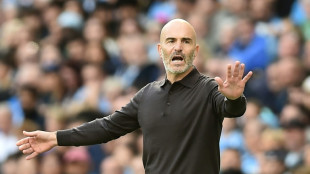 Maresca craves a 1-0 win after eight-goal Man City thriller
-
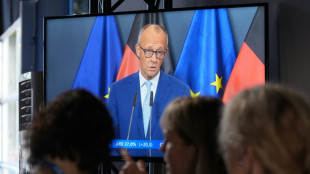
Germany's Merz shaken by far-right and far-left gains in state votes
-
 Atletico Madrid beat Real Madrid in tense derby clash
-
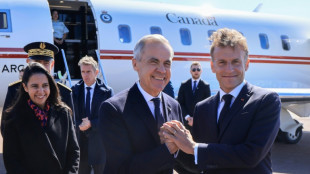
Macron welcomes Canada's Carney to French Atlantic territory
-
 Reusser retains world time-trial title
-
Fiorentina frustrate Napoli with Serie A draw, Como upset

-
 Man City outgun Sunderland despite Brobbey hat-trick, Liverpool win at Bournemouth
-
Five-star Man City top Premier League after Sunderland thriller

-
 Top US, Chinese economic officials meet ahead of Trump-Xi summit
-
Ukrainian drones hit Moscow on last day of Russian elections
-
 Erdogan's LGBTQ crackdown 'first step of election campaign': activist
-
Multi-Asset Trading Venue Monochrome Exchange Announces IEO of Its Native Token, $MCR

-
 Mass drone barrage on Moscow kills two
-
South Korea break Japan hearts to win Asian Games basketball gold

-
 82-year-old dies after beach fight in Greece over sun lounger
-
Acosta takes first victory at Austrian MotoGP

-
 US warns of rapid escalation in Mideast war
-
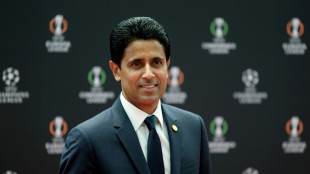
PSG president Nasser al-Khelaifi under investigation in France for conflict of interest
-
 Iran 'put hearts on the court' to win Asian Games basketball bronze
-
China swim sensation, 13, sets Games record after Japan win early

-
 School girl Yu helps China dominate in Asian Games swimming openers
-
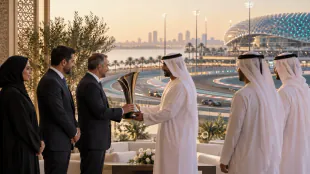
رئيس الدولة يجذب وفد شركة «إثارة».. أفضل منظم لسباقات الفورمولا 1 لعام 2025
-
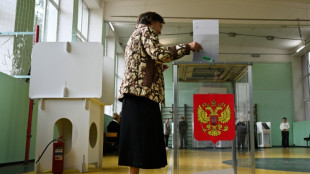 Drones hit Moscow as Russians go to the polls
-
Myanmar win first Asian Games teqball gold as Spain great Puyol watches

-
 New England boss Fleming says 'wrong' to ask Stokes to end retirement
-
China's 13-year-old Yu scorches to first major gold at Asian Games

-
 تقرير حول منصّة شرطة دبي بـ«سوق السفر» تستقبل أكثر من 5 آلاف زائر
-
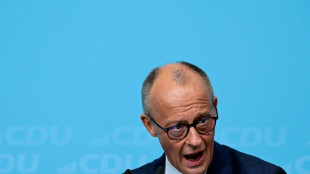
Germans vote in elections threatening fresh blow to Merz
-
 تقرير حول إيطاليا: نجهز مهمة بحرية لحماية الملاحة في البحر الأحمر
-
قراءة في ألمانيا تجدد التزامها بسوق السياحة بدول مجلس التعاون الخليجي

-
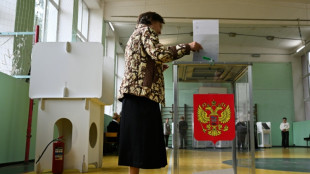 Russians vote on last day of parliamentary elections
-
تقرير حول الإمارات تشارك في المؤتمر الرابع للجمعية الصينية للنقل الجوي في بكين
-
 تقرير حول إغلاق باب الترشح لعضوية البرلمان الإماراتي للطفل في فصله التشريعي الثاني
-
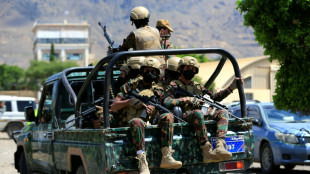
US fears rapid escalation in Mideast after Houthis attack Riyadh
-
 Hong Kong pays final respects to former city leader Tung
-
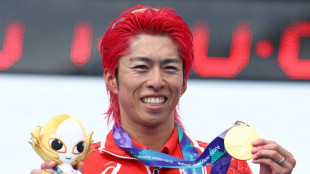
Japan triathlete Hojo wins first gold of Asian Games
-
 Typhoon put people off Asian Games opening ceremony, official says
-
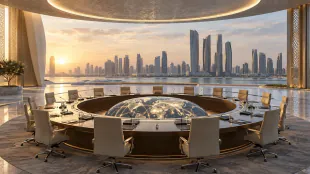
تطورات سيف بن زايد: برؤية القيادة الرشيدة.. الإمارات شريك موثوق في صناعة الأمن والتقنية
-
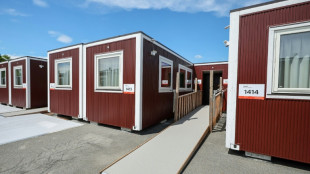 IOC president impressed by 'beautiful' Asian Games wooden huts
-
رئيس الدولة ونائباه يبعثون التهاني إلى الحاكم العام لسانت كيتس ونيفيس بذكرى استقلال بلادها

-
 China's 13-year-old Yu cruises as Asian Games swimming begins
-
First Asian Games gold goes to Japan as China's 13-year-old Yu lights up pool

-
 AI 'warning shots' focus Beijing on national security risks
-
تطورات كاليفورنيا تشرع مفتاح "إيقاف الذكاء الاصطناعي" تحسباً لتمرد التكنولوجيا!

-
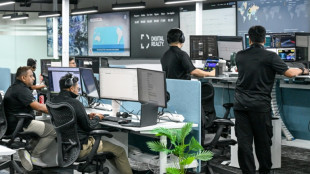 Data centre command hub keeps AI up and running
-
تقرير حول حاكم رأس الخيمة: تجمعنا ودول أمريكا الوسطى أسس راسخة من الصداقة والاحترام

-
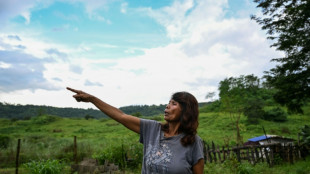 Philippine tribe in limbo over US-led tech hub
-
Pope Leo in France: the issues on the table

-
 Leo XIV, first US pope transcends his restrained style
-
Packing for a pope: behind the scenes on foreign trips
Wealth that Brazil is not utilizing!
Brazil, a nation endowed with staggering natural riches, stands as one of the world’s great paradoxes: a land of immense wealth that it struggles to harness effectively. From the sprawling Amazon rainforest to vast mineral deposits and a coastline teeming with potential, the country possesses resources that could propel it to economic superpower status. Yet, persistent challenges—mismanagement, environmental degradation, and entrenched inequality—continue to stymie its ability to translate this bounty into sustainable prosperity. As global demand for green energy and rare minerals surges, Brazil’s untapped potential remains both a tantalising opportunity and a frustrating enigma.
A Treasure Trove of Resources:
Few nations rival Brazil’s natural endowment. The Amazon, covering nearly 60% of the country, is not only the planet’s largest carbon sink but also a repository of biodiversity, with untold species that could yield breakthroughs in medicine and agriculture. Beneath its soil lie some of the world’s richest reserves of iron ore, bauxite, and niobium—a metal critical for aerospace and electronics, of which Brazil supplies over 90% of global demand. Offshore, the pre-salt oil fields, discovered in 2006, hold an estimated 50 billion barrels, positioning Brazil as a top-tier petroleum producer. Add to this fertile lands that make it an agricultural giant—exporting soy, beef, and coffee—and the scale of its wealth becomes clear.
This abundance is no secret. In 2024, Brazil’s exports reached $330 billion, driven by commodities like iron ore ($47 billion) and crude oil ($39 billion), according to government data. Yet, these figures belie a deeper truth: the nation reaps only a fraction of the value its resources could command if harnessed strategically.
The Curse of Mismanagement:
Brazil’s failure to capitalise fully on its wealth is rooted in a litany of self-inflicted wounds. Corruption scandals, such as the Lava Jato (Car Wash) investigation, have siphoned billions from state coffers, notably from Petrobras, the national oil company. Infrastructure woes compound the problem: crumbling roads and inadequate ports inflate transport costs, rendering exports less competitive. A 2024 World Bank report estimated that logistical inefficiencies cost Brazil up to 5% of its GDP annually—roughly $100 billion.
The Amazon exemplifies this squandered potential. While its preservation is vital for global climate goals, illegal logging and mining—often abetted by lax enforcement—devastated 11,088 square kilometres in 2023 alone, per Brazil’s National Institute for Space Research. Rather than leveraging its forests for carbon credits or sustainable bio-industries, Brazil loses both ecological and economic ground. President Luiz Inácio Lula da Silva, re-elected in 2022, pledged to halt deforestation by 2030, yet progress remains sluggish, hampered by political resistance and budget constraints.
Missed Opportunities in the Green Boom:
As the world races towards net-zero emissions, Brazil’s resources align uncannily with global needs. Lithium and rare earth elements, essential for batteries and renewable technologies, abound in states like Minas Gerais, yet extraction lags behind leaders like Australia and China due to regulatory hurdles and underinvestment. The International Energy Agency projects demand for lithium to rise tenfold by 2040, yet Brazil’s output remains a trickle—less than 1% of the global total in 2024.
Hydropower, which supplies 60% of Brazil’s electricity, and untapped wind and solar potential could make it a renewable energy titan. The northeast’s windy coastlines boast some of the world’s highest capacity factors for wind farms, yet bureaucratic delays and a creaking grid deter investors. A 2024 study by the Brazilian Wind Energy Association estimated that tripling wind capacity by 2030 could create 200,000 jobs and add $20 billion to GDP—but only with bold reforms.
Inequality and Economic Stagnation:
Wealth in Brazil flows unevenly. The richest 1% control nearly 50% of national income, while 33 million people faced hunger in 2023, according to Oxfam. Commodity booms enrich agribusiness elites and mining firms, yet little trickles down to the broader population. Education, critical for a knowledge-based economy, languishes: Brazil ranks 60th in the OECD’s PISA assessments, hobbling its ability to innovate beyond raw resource extraction.
Economic growth has flatlined, averaging just 0.9% annually from 2011 to 2023. The real, Brazil’s currency, weakened by 15% against the dollar in 2024, reflecting investor unease over fiscal deficits and political gridlock. While competitors like Indonesia diversify into manufacturing, Brazil remains tethered to primary goods, exporting iron ore but importing steel—a failure to climb the value chain.
A Path Forward?
Solutions exist, but require political will. Streamlining bureaucracy could unlock billions in foreign investment, as seen with the $4 billion Vale mining project approved in 2024 after years of delays. Tax incentives for sustainable industries—such as eco-tourism or bio-pharmaceuticals—could tap the Amazon’s potential without razing it. Education reform, paired with vocational training, might equip Brazilians to process their own resources, rather than shipping them abroad raw.
Lula’s administration has hinted at such ambitions, unveiling a $350 million green transition fund in January 2025. Yet, with Congress fractured and state governments at odds, execution falters. On X, commentators lament “a nation asleep on a goldmine,” a sentiment echoed by economists who warn that without reform, Brazil risks becoming a resource-rich relic in a fast-evolving world.
Conclusion:
Brazil’s formidable wealth is both a blessing and a burden. Its resources could fuel a prosperous, sustainable future, yet decades of mismanagement and missed chances have left it punching below its weight. As global demand shifts towards green technologies, the window to harness this potential narrows. Whether Brazil awakens to its own richness—or remains mired in inertia—will define its place in the 21st century.

The Queen: From Churchill to Yeltsin and Tito to Trudeau

EU energy ministers move closer to price cap on all gas imports

Good news about monkeypox, good news for stray dogs...

London: Queen Elizabeth II dies aged 96

EU Medicines Agency approves booster vaccine Omicron
Earthquakes shake the Liechtenstein Parliament

Zelenskyy accuses IAEA of avoiding talks on demilitarisation
US President Joe Biden warns Trump's 'extreme ideology'
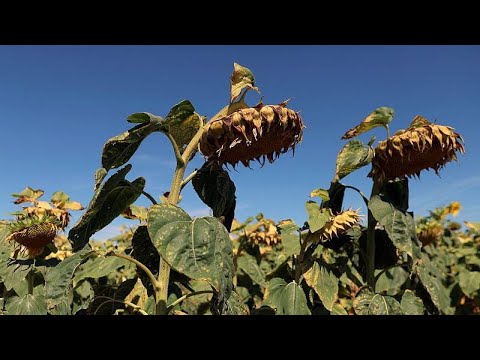
Europe's drought could be the worst in 500 years, warns researcher
Donald Trump FBI raid: Agents made unannounced visit...

Hollywood in Ukraine: are celebrities making a difference?