-
 South Korea, Austria qualify for Davis Cup finals
-
مشهد سمير سرياني لـ«الشرق الأوسط»: أحضّر لفيلم لبناني اجتماعي يتناول همومنا بقالب كوميدي

-
 'Fragile' Tottenham beaten by Aston Villa despite late rally
-
Seare shocks Ingebrigtsen to win world 5km gold

-
 Mourinho hails Real Madrid grit before Atletico derby clash
-
ملف البنيان: تسمية الجامعة السعودية الإلكترونية باسم «الأمير مساعد بن عبدالرحمن» تُجسّد عناية القيادة بالتعليم وتكريم رجالات الدولة

-
 Brigitte Bardot widower slams sale of star's belongings
-
Martin wins Austrian MotoGP sprint after Acosta crash

-
 Aston Villa compound Tottenham's misery despite late rally
-
Japan edge Fiji to win Pacific Nations Cup

-
 حصيلة من يملك جسد اللاعب ورسائله؟ قميص سبتة يتحول إلى نقاش أكبر من السياسة
-
تقرير حول وصول حرب أوكرانيا إلى القطب الشمالي ينذر بتصاعد التوتر بين القوى النووية
-
 Asian Games offer 'deepest apologies' for South Korea anthem blunder
-
Black smoke, flames rising near Riyadh airport: residents to AFP
-
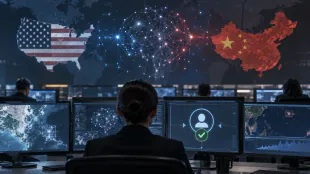 تطورات "سي أن أن": تقرير بالذكاء الاصطناعي كاد يشعل حرباً بين أميركا والصين
-
قراءة في مجلس شباب «موانئ دبي العالمية» يناقش دور الخبرات والأفكار في تحسين العمليات
-
 Inter Milan and Italy icon Mazzola dies aged 83
-
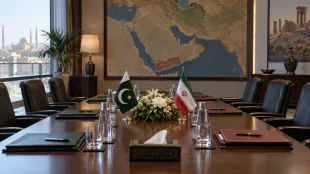
تقرير حول وفد باكستاني إلى إيران قريباً لكسر جمود المفاوضات واحتواء التوتر في اليمن
-
 UK actor Naomi Watts honoured at Spain film festival
-
قراءة في 1000 تاجر جزائري فقط يعتمدون الدفع الإلكتروني

-
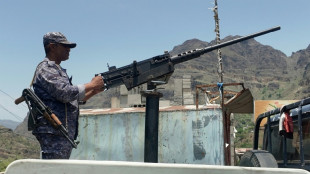 Saudi capital issues first air raid alert since renewed fighting in Yemen
-
Japan emperor declares Asian Games open after turbulent build-up

-
 Martin edges title rival Marquez for Austrian MotoGP pole
-
Asian Games open with unity message after troubled build-up

-
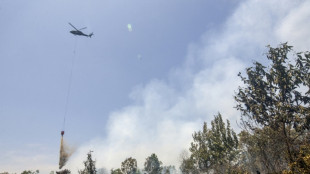 Indonesia accepts Malaysia's help to tackle wildfires
-
Denmark hails 'binding' Greenland deal with Trump
-
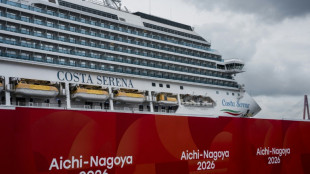 Indians living in Japan on stand-by to house Asian Games athletes
-
We don't want Games host Japan losing money, says Asian Olympic official

-
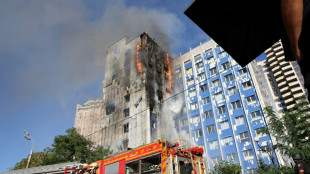 Trump signs bill authorizing sweeping Russia sanctions
-
Ed Sheeran returns to stage after Palestinian controversy

-
 Protesters form human chain at Kennedy Center after Trump threat
-
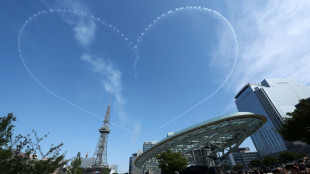
Asian Games to open in Japan after troubled build-up
-
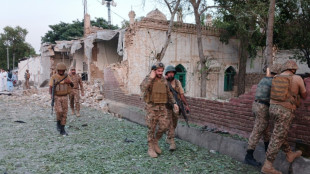 Death toll from attack at police HQ in Pakistan rises to 31
-
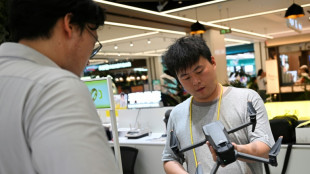
Drone owners rush to offload devices ahead of Beijing ban
-
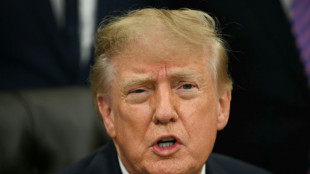 Trump says Denmark to give US 'permanent control' over Greenland security
-
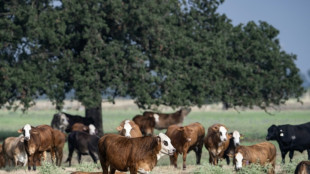
Trump's beef policies irk Texas ranchers, testing their loyalty
-
 Kennedy Center: future unclear for iconic Washington arts hub
-
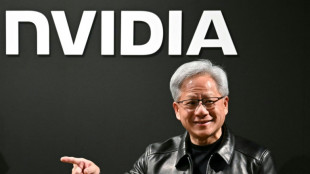
Nvidia, OpenAI CEOs to attend Xi dinner at White House
-
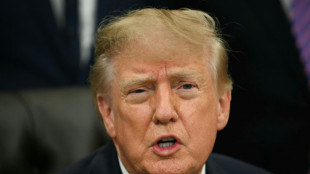 Trump claims 'infinite' Greenland security deal with Denmark
-
Anthropic picks Accenture for in-house AI safety evaluation

-
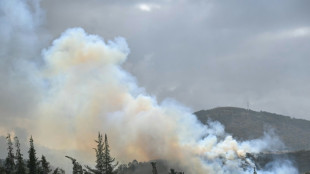 Helicopters battle wildfire threatening Ecuador's capital
-
Balogun returns as Monaco beat Lens to continue strong Ligue 1 start

-
 Brentford batter Chelsea to undo Alonso's promising start
-
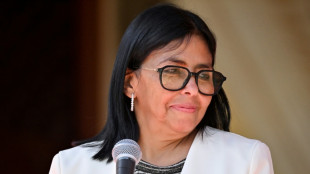
'Pause' on overt repression in Venezuela, but reforms still needed: HRW
-
 Kane hits Bundesliga century as Bayern rout Union
-
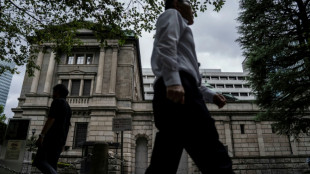
Global stocks mixed as yen falls despite Bank of Japan rate hike
-
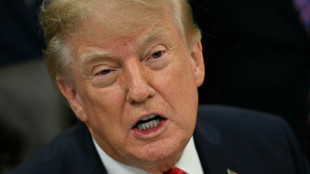 Trump says CNN, MS NOW, Politico banned from White House
-
Cuba hit with seventh major blackout of the year

-
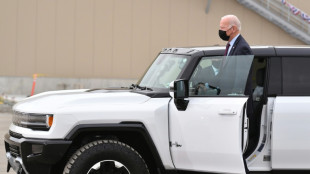 Hushing and hedging: US companies retreat on climate
-
Murray out with concussion so Wentz will start for Vikings

China, Trump, and the power of war?
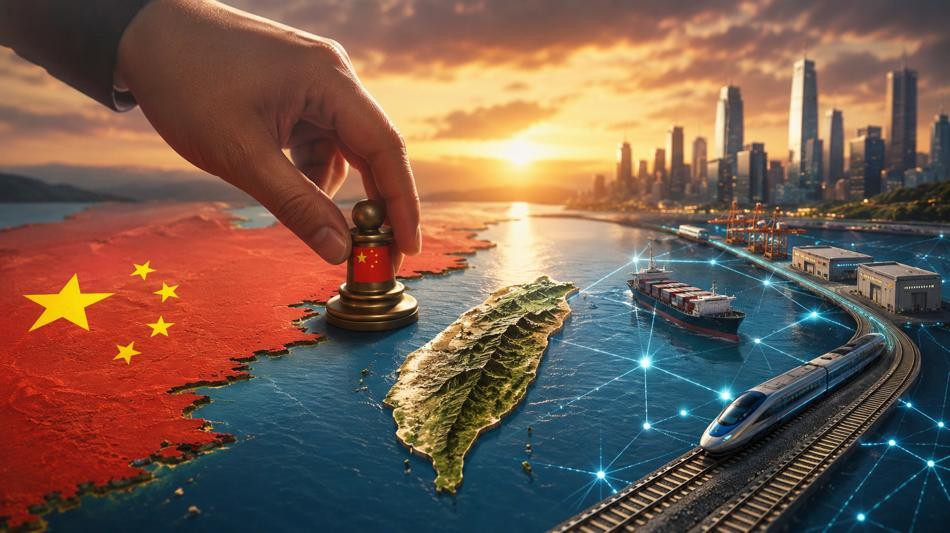
As tensions in the Taiwan Strait continue to simmer, foreign policy experts are exploring a hypothetical scenario: If China were to launch a military attack on Taiwan, would a newly re-elected President Donald Trump intervene with the full might of the U.S. armed forces to defend the island? This question underscores the complex interplay of regional alliances, global power dynamics, and the unpredictability of American politics.
Setting the Stage: China’s Military Ambitions
Historical Context:
China regards Taiwan as a breakaway province destined for reunification—by force if necessary.
Modern Capabilities:
The People’s Liberation Army (PLA) has accelerated its modernization program, including advancements in naval power, ballistic missiles, and air force technology.
Regional Impact:
An attack on Taiwan could destabilize not only East Asia but also the global economy, given Taiwan’s crucial role in semiconductor manufacturing and maritime trade routes.
The Trump Factor: A New Administration’s Possible Response
Campaign Promises and Rhetoric:
Donald Trump has a record of strong nationalist rhetoric, emphasizing American military strength. If re-elected, he might lean into campaign pledges to protect U.S. interests abroad, including key allies and partners.
Previous Policies on China:
In his earlier administration, Trump took a hardline stance against Beijing on trade, technology, and security. This history suggests he could respond forcefully if China initiates open conflict.
Alliance with Taiwan:
Although the U.S. does not maintain formal diplomatic ties with Taipei, it is bound by the Taiwan Relations Act to provide defensive support. A President Trump might interpret this as a mandate to escalate, including mobilizing U.S. forces.
Potential Military Scenarios
Naval Blockade:
The U.S. Navy could intervene by establishing a defensive perimeter around Taiwan, deterring Chinese amphibious assaults. Warship deployments to the region would send a clear signal of U.S. resolve, but also increase the risk of direct engagement.
Air Superiority Campaign:
If China’s air force attempted to dominate the skies over Taiwan, the U.S. Air Force and Navy’s carrier air wings could provide critical support to Taiwan’s defense. This scenario would significantly escalate hostilities, potentially leading to sustained aerial combat.
Economic and Cyber Warfare:
Rather than committing large numbers of troops, Trump could opt for widespread sanctions on China, coupled with cyber operations to disrupt PLA communication and logistics. This approach would be aggressive yet potentially less risky than a full-scale military confrontation.
Risks and Global Ramifications
Escalation to Major Conflict:
Direct clashes between the U.S. and China could spiral rapidly, raising concerns about nuclear brinkmanship.
Economic Fallout:
Heightened tensions may lead to severe disruptions in global supply chains, especially regarding technology and semiconductor industries.
International Alliances:
A U.S. military response would likely draw in regional allies such as Japan, South Korea, and Australia, with NATO partners possibly offering political or limited logistical support.
Diplomatic Alternatives
Negotiated Settlements: Even in a crisis, there might be space for last-minute talks hosted by neutral countries or facilitated by international bodies like the United Nations. Multinational Coalitions: The U.S. might seek to build coalitions with allies in Europe and Asia to present a united front, pressuring Beijing to halt aggression.
Conclusion: An Uncertain Future
Should China take the drastic step of attacking Taiwan, the question of American intervention under a potential new Trump administration looms large. Historical precedent—along with Trump’s combative stance on foreign policy—suggests a robust response could follow. Yet the costs, both human and economic, would be staggering for all sides involved.
In this hypothetical scenario, much depends on Beijing’s calculations of risk versus reward, as well as Trump’s willingness to gamble on a major conflict to assert U.S. influence and uphold a promise to protect American allies. Ultimately, the future of Taiwan’s sovereignty could hinge on whether deterrence succeeds—or if the world’s two largest economies find themselves at the brink of war.
Ultimatum Spurs Credit Panic
Syria's forgotten tragedy
Will US Forces Invade Iran?
Bitcoin slump stirs doubt
Iran war fuels terror risks
Australia limits migration
China's silicon reckoning
Saudi Arabia’s Costly Mirage
Beijing's new Taiwan playbook
Fentanyl trade unravels
Red sea gambit with Eritrea