-
 South Korea, Austria qualify for Davis Cup finals
-
مشهد سمير سرياني لـ«الشرق الأوسط»: أحضّر لفيلم لبناني اجتماعي يتناول همومنا بقالب كوميدي

-
 'Fragile' Tottenham beaten by Aston Villa despite late rally
-
Seare shocks Ingebrigtsen to win world 5km gold

-
 Mourinho hails Real Madrid grit before Atletico derby clash
-
ملف البنيان: تسمية الجامعة السعودية الإلكترونية باسم «الأمير مساعد بن عبدالرحمن» تُجسّد عناية القيادة بالتعليم وتكريم رجالات الدولة

-
 Brigitte Bardot widower slams sale of star's belongings
-
Martin wins Austrian MotoGP sprint after Acosta crash

-
 Aston Villa compound Tottenham's misery despite late rally
-
Japan edge Fiji to win Pacific Nations Cup

-
 حصيلة من يملك جسد اللاعب ورسائله؟ قميص سبتة يتحول إلى نقاش أكبر من السياسة
-
تقرير حول وصول حرب أوكرانيا إلى القطب الشمالي ينذر بتصاعد التوتر بين القوى النووية

-
 Asian Games offer 'deepest apologies' for South Korea anthem blunder
-
Black smoke, flames rising near Riyadh airport: residents to AFP

-
 تطورات "سي أن أن": تقرير بالذكاء الاصطناعي كاد يشعل حرباً بين أميركا والصين
-
قراءة في مجلس شباب «موانئ دبي العالمية» يناقش دور الخبرات والأفكار في تحسين العمليات

-
 Inter Milan and Italy icon Mazzola dies aged 83
-
تقرير حول وفد باكستاني إلى إيران قريباً لكسر جمود المفاوضات واحتواء التوتر في اليمن

-
 UK actor Naomi Watts honoured at Spain film festival
-
قراءة في 1000 تاجر جزائري فقط يعتمدون الدفع الإلكتروني

-
 Saudi capital issues first air raid alert since renewed fighting in Yemen
-
Japan emperor declares Asian Games open after turbulent build-up

-
 Martin edges title rival Marquez for Austrian MotoGP pole
-
Asian Games open with unity message after troubled build-up

-
 Indonesia accepts Malaysia's help to tackle wildfires
-
Denmark hails 'binding' Greenland deal with Trump

-
 Indians living in Japan on stand-by to house Asian Games athletes
-
We don't want Games host Japan losing money, says Asian Olympic official

-
 Trump signs bill authorizing sweeping Russia sanctions
-
Ed Sheeran returns to stage after Palestinian controversy

-
 Protesters form human chain at Kennedy Center after Trump threat
-
Asian Games to open in Japan after troubled build-up

-
 Death toll from attack at police HQ in Pakistan rises to 31
-
Drone owners rush to offload devices ahead of Beijing ban

-
 Trump says Denmark to give US 'permanent control' over Greenland security
-
Trump's beef policies irk Texas ranchers, testing their loyalty

-
 Kennedy Center: future unclear for iconic Washington arts hub
-
Nvidia, OpenAI CEOs to attend Xi dinner at White House

-
 Trump claims 'infinite' Greenland security deal with Denmark
-
Anthropic picks Accenture for in-house AI safety evaluation

-
 Helicopters battle wildfire threatening Ecuador's capital
-
Balogun returns as Monaco beat Lens to continue strong Ligue 1 start

-
 Brentford batter Chelsea to undo Alonso's promising start
-
'Pause' on overt repression in Venezuela, but reforms still needed: HRW

-
 Kane hits Bundesliga century as Bayern rout Union
-
Global stocks mixed as yen falls despite Bank of Japan rate hike

-
 Trump says CNN, MS NOW, Politico banned from White House
-
Cuba hit with seventh major blackout of the year

-
 Hushing and hedging: US companies retreat on climate
-
Murray out with concussion so Wentz will start for Vikings

Will Trump's deportations be profitable?
The GOP’s Plan to Make Trump’s Deportations Profitable: A Controversial Shift in Immigration Policy
In a polarised political landscape, the Republican Party is exploring a provocative strategy to tackle immigration—a proposal to turn deportations into a profit-generating enterprise. Building on former President Donald Trump’s hardline immigration policies, the plan seeks to reframe deportations as not just a matter of national security but also an economic opportunity. While the idea has energised some conservative circles, it has also ignited fierce criticism from across the political spectrum.
The Proposal: Profit-Driven Deportation
Central to the GOP’s plan is the idea of outsourcing certain aspects of deportation operations to private companies. By involving private contractors in detention, transportation, and removal processes, proponents argue the government could reduce operational costs and improve efficiency. Furthermore, they suggest that increased deportations could deter future illegal immigration, lowering associated public expenditures on social services.
Critics, however, see the proposal as an alarming step towards commodifying human lives. They warn that introducing profit motives into immigration enforcement could lead to abuses, incentivising mass deportations without proper regard for due process or humanitarian considerations.
The Economic Pitch
Supporters of the plan assert that private-sector involvement could create jobs, stimulate economic activity, and alleviate the financial burden on taxpayers. They point to the growth of the private prison industry as a precedent, arguing that a similar model could apply to immigration enforcement.
Some lawmakers have floated the idea of selling deportation bonds to private investors, where returns would be tied to the number of successful removals. Others have suggested auctioning government contracts for deportation services to the highest bidder, with the expectation that competition would drive down costs.
Building on Trump-Era Policies
The GOP’s plan echoes the strict immigration enforcement policies championed by Donald Trump during his presidency. His administration expanded the use of private detention facilities and implemented controversial measures such as family separations at the border. Trump’s rhetoric on immigration galvanised his base and became a cornerstone of his political identity—a legacy the GOP seems eager to build upon.
However, this new push represents a shift from Trump’s focus on border security to a broader economic rationale for deportations. By framing the policy in terms of profitability, the GOP aims to win over fiscally conservative voters while maintaining the support of its hardline immigration faction.
Legal and Ethical Challenges
The plan faces significant legal and ethical hurdles. Human rights advocates argue that it risks undermining the principles of fairness and due process enshrined in U.S. immigration law. They warn that a profit-driven model could prioritise speed over accuracy, leading to wrongful deportations and violations of immigrants’ rights.
Legal experts also question the feasibility of privatising deportation processes, given the complex legal framework governing immigration enforcement. Lawsuits challenging the constitutionality of such measures are almost inevitable, adding to the uncertainty surrounding the proposal.
Public and Political Reactions
The proposal has divided the public and the Republican Party itself. While some conservatives view it as a bold, pragmatic solution to a longstanding issue, others worry it could alienate moderate voters and deepen partisan divisions.
Democrats and immigration advocates have vehemently condemned the plan, calling it a morally bankrupt scheme that prioritises profits over people. They argue that addressing the root causes of immigration, such as poverty and violence in migrants’ home countries, would be a more effective and humane approach.
The Road Ahead
As the GOP prepares to introduce its profit-driven deportation plan, the debate over immigration policy is poised to reach new heights. Whether the proposal represents a creative solution to a complex issue or a dangerous commodification of human lives will depend on how the policy is implemented—and, crucially, how the American public responds.
What is clear, however, is that the plan underscores the deep divisions in U.S. politics and society. With immigration set to remain a defining issue in the upcoming elections, the GOP’s proposal offers a glimpse into the future of the party’s platform and its vision for America’s borders.
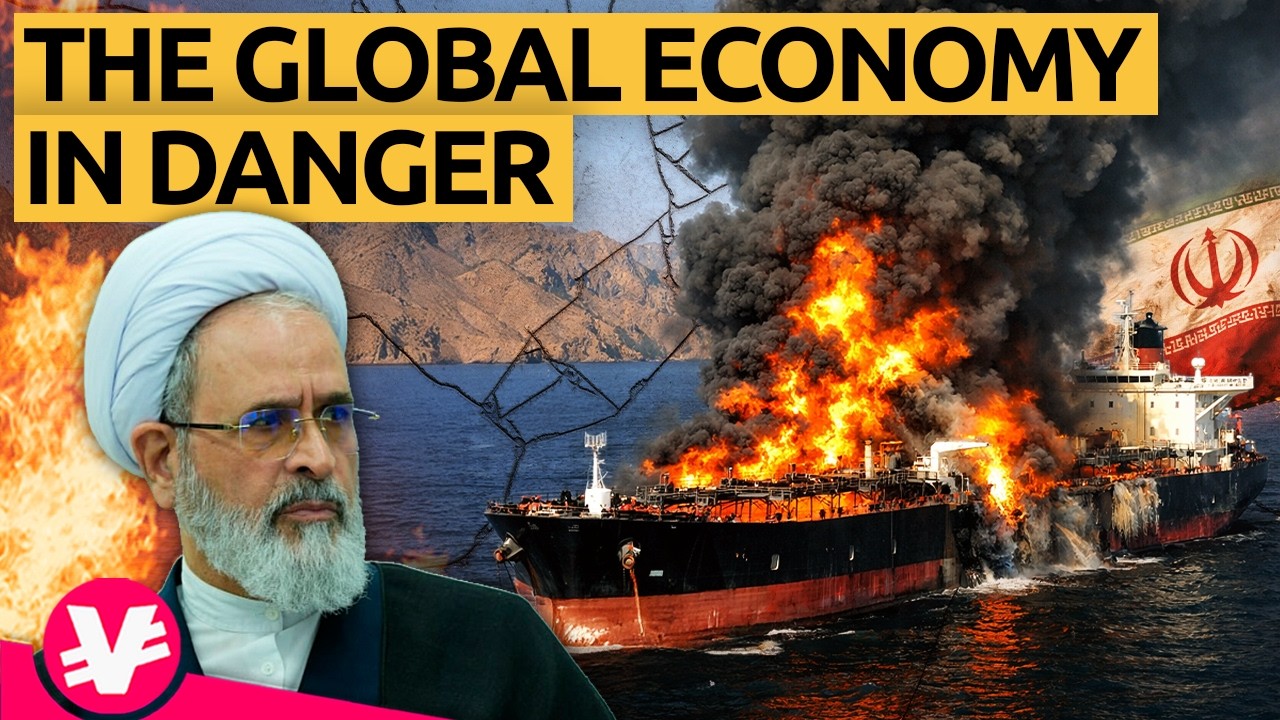
Hormuz Shock Risk rising

Iran lifts Dollar, sinks Euro

Israel presses Tehran

Is that Israel's final blow?

Iran and the holy War risk

Cuban regime nears collapse

No red lines: Israel vs Iran

30 Days to Save the Economy?

Iran-War and dangerous Lines

BlackRock fund freeze panic

Calm or Chaos: Iran’s reach