-
 Flydubai co-pilot planned suicide attack on Tel Aviv airport: UAE prosecutor
-
Hope, Rutherford fire West Indies to record T20 chase of 250

-
 Mike Ditka: Chicago Bears icon as player and coach
-
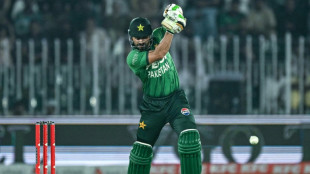
Farhan leads Pakistan to T20 win over Sri Lanka
-
 Outrage over plan to livestream US military firing squad execution
-
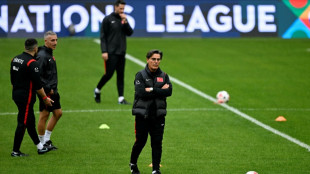
Turkey sack coach Montella after Nations League woe
-
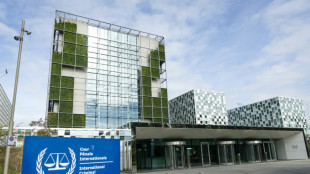 US sanctions: a 'test of resilience' for ICC
-
US announces sanctions on ICC, hours after Nobel award to former judge
-
 NFL legend Mike Ditka dead at 86
-
Montenegro expels popular Russian war blogger wanted by US

-
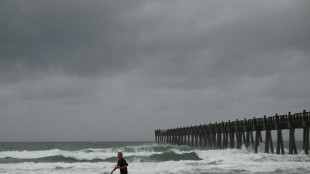 Hurricane Isaias set to strike Gulf Coast late Friday
-
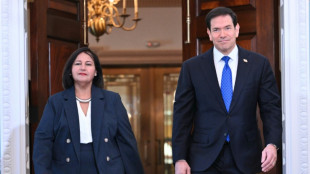
Rubio calls on all Venezuela opposition figures to join talks with govt
-
 Trump forms panel to probe US Fed governor Lisa Cook
-
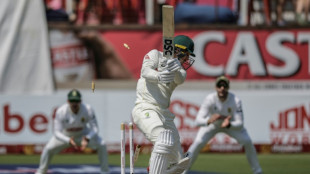
Australia struggle against South Africa quicks in first Test
-
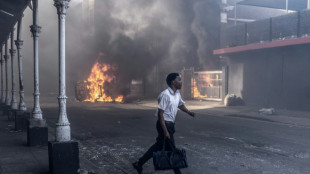 Clashes in Durban as fresh anti-migrant riots erupt in South Africa
-
Stocks advance as Trump rules out pre-vote Iran attack

-
 France students plan more protests, UN 'concerned' over violence
-
Australia struggle against South Africa's fast bowlers
-
 De Zerbi calls on struggling Spurs to react in Man Utd clash
-
Massive debt puts France in a bind as investor doubts deepen

-
 US sanctions on ICC: a 'test of resilience'
-
Arteta urges 'respect' for process after Man City financial verdict

-
 Outrage over US military plan to livestream firing squad execution
-
'Human-authored' book labels gain ground amid AI scandals

-
 Argentina snap up defence guru Edwards ahead of World Cup
-
Man City whistleblower Pinto to stay under police protection
-
 BMW pulls car lease offer from German far-right politician
-
US leads fresh Ukraine peace push with Miami talks

-
 Brazil election offers Jair Bolsonaro a shot at revenge
-
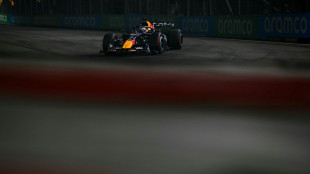
Verstappen continues resurgence with pole for Singapore sprint
-
 Man Utd boss Carrick 'personally' affected by Man City verdict
-
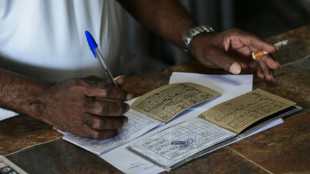
Cuban ration book, symbol of the revolution, gathers dust
-
 Evolution Metals & Technologies Corp. Raises Fiscal 2026 Revenue Guidance 62% at Midpoint to $10–$11 Million and Reaffirms $400–$460 Million Fiscal 2027 Outlook
-
Stocks advance, oil retreats as Trump rules out pre-vote Iran attack

-
 Red Bull's Verstappen takes pole position for Singapore GP sprint race
-
Man City case causing 'uncertainty' for whole Premier League, says Iraola

-
 Chelsea star Palmer 'committed' to England insists Alonso
-
Talks with Iran can only succeed without threats, president says

-
 OpenAI denies firing researchers over AI safety warnings
-
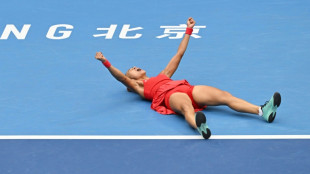
Home hope Zheng sets up Mertens clash in China Open semis
-
 Turkey warns opposition, press over investment fund crisis
-
Lombardia promises gripping end to season in Pogacar absence

-
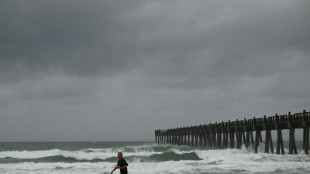 Hurricane Isaias now major storm as it heads to US Gulf Coast
-
Barca skipper Raphinha out against Getafe and Galatasaray

-
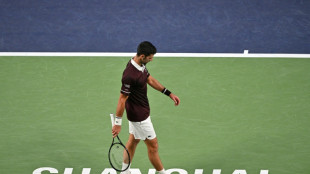 Djokovic crashes out of Shanghai Masters in his first match
-
MEXC and Payward Highlight Collaboration as Crypto and TradFi Converge at TOKEN2049

-
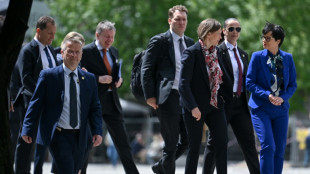 EU says Turkey's crackdown on rights hampers membership bid
-
EU states agree beefed-up European financial markets watchdog
-
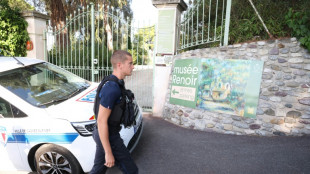 Two Renoir paintings stolen in France recovered: mayor
-
Eritrea, Ethiopia trade barbs as Tigray rebels retreat
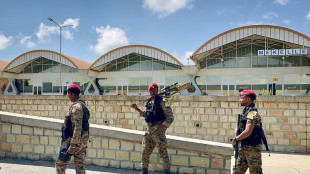
Culture: Serbia’s architectural marvels
Serbia's Architectural Marvels: Exploring Manasija Monastery and Smederevo Fortress
Serbia, a land where East meets West, boasts a rich tapestry of history and culture reflected in its architectural heritage. Among its most remarkable structures are the Manasija Monastery and the Smederevo Fortress. These edifices not only exemplify the pinnacle of medieval Serbian architecture but also tell stories of resilience, faith, and artistry that have withstood the test of time.
Manasija Monastery: A Testament to Faith and Artistry
Nestled in the lush Resava valley near the town of Despotovac, the Manasija Monastery, also known as Resava, stands as a beacon of Serbia's spiritual and cultural legacy. Founded in the early 15th century by Despot Stefan Lazarević, a revered Serbian ruler and poet, the monastery is a masterpiece of Morava architectural style, characterised by intricate stone carvings and harmonious proportions.
Architectural Significance
The monastery complex is encircled by formidable fortifications, featuring 11 towers connected by robust walls, reflecting the turbulent times during which it was built. The Church of the Holy Trinity, the monastery's focal point, is adorned with stunning frescoes that are considered among the finest in medieval Serbian art. These frescoes exhibit a blend of Byzantine influences and local artistic expression, depicting biblical scenes with remarkable depth and emotion.
The monastery's construction showcases advanced engineering techniques of the era. The use of alternating rows of stone and brick creates a distinctive striped pattern, while the detailed carvings of floral and geometric motifs highlight the craftsmen's exceptional skills.
Cultural and Historical Impact
Manasija Monastery served not only as a religious centre but also as a hub of scholarly activity. It housed the famous Resava School, a scriptorium where manuscripts were copied and translated, playing a crucial role in preserving Serbian literature and learning during the Ottoman incursions. Today, the monastery remains active, offering visitors a glimpse into Serbia's spiritual heart and its enduring commitment to cultural preservation.
Smederevo Fortress: The Last Capital of Medieval Serbia
Situated on the right bank of the Danube River, the Smederevo Fortress stands as one of the largest fortifications in Europe. Commissioned by Despot Đurađ Branković in the 15th century, it was intended to be the new capital of Serbia following the fall of Belgrade to the Ottomans.
Architectural Grandeur
The fortress encompasses an area of approximately 11 hectares and is designed in a triangular shape to conform to the terrain and the river's course. It features massive walls up to 10 metres high and 4 metres thick, reinforced by 25 towers. The strategic design reflects a combination of Byzantine fortification principles and the latest military architecture of the time.
Notably, the fortress was constructed swiftly, within a decade, demonstrating the organisational capabilities and resources mobilised by the Serbian state. The use of durable materials and the integration of natural defences illustrate the sophistication of medieval Serbian military engineering.
Historical Significance
Smederevo Fortress served as a bulwark against Ottoman expansion but ultimately fell after prolonged sieges. Its capture marked the end of the medieval Serbian state. Over the centuries, the fortress witnessed various rulers and conflicts, leaving behind layers of history etched into its stones.
Today, the fortress is a symbol of national pride and a venue for cultural events, drawing tourists and historians alike. Efforts have been made to preserve and restore the site, recognising its importance as a tangible link to Serbia's past.
Preservation and Legacy
Both Manasija Monastery and Smederevo Fortress have faced challenges over the centuries, from warfare to natural decay. Restoration projects have been essential in safeguarding these monuments for future generations. Manasija was inscribed on the UNESCO Tentative List, highlighting its universal value and the need for international cooperation in its preservation.
These sites offer invaluable insights into the social, religious, and political dynamics of medieval Serbia. They exemplify the country's architectural innovation and its role as a crossroads of cultures.
A Journey Through Time
Visiting these architectural wonders provides a profound experience. At Manasija Monastery, the tranquillity of the surroundings complements the spiritual atmosphere, inviting reflection amidst artistic splendour. The frescoes, with their vivid colours and expressive figures, bring to life stories that have inspired believers for centuries.
At Smederevo Fortress, one can walk along the ancient ramparts, imagining the sights and sounds of a bustling medieval capital. The panoramic views of the Danube and the town of Smederevo connect the past with the present, illustrating the enduring relevance of this historic stronghold.
Conclusion
Serbia's architectural heritage, epitomised by the Manasija Monastery and the Smederevo Fortress, is a testament to the nation's rich history and cultural resilience. These sites not only represent remarkable achievements in architecture and art but also embody the spirit of a people who have navigated the complexities of history with fortitude and creativity.
For travellers and scholars alike, exploring these monuments offers a unique opportunity to delve into the depths of Serbian heritage. As custodians of this legacy, continued efforts in preservation and education are essential to ensure that these treasures remain vibrant parts of Serbia's cultural landscape.

Is Australia’s Economy Doomed?
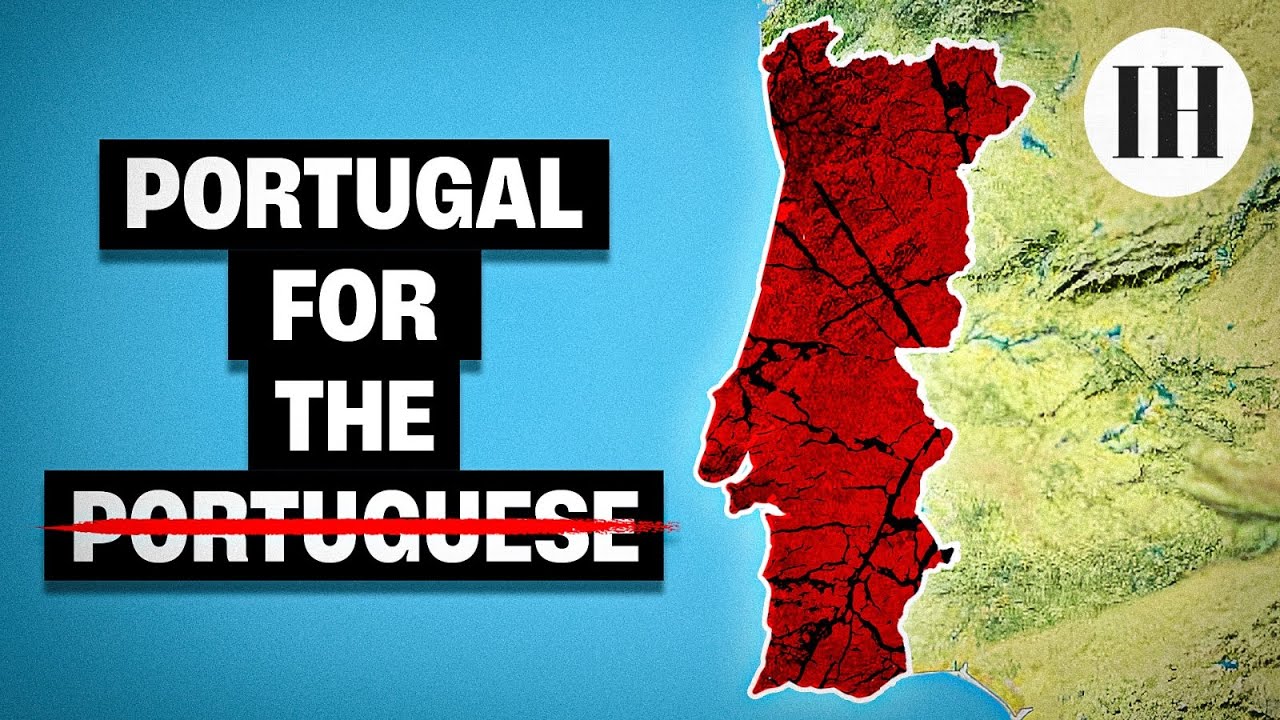
Portugal: Living Costs Soar

Pope Francis: A Transformative Legacy

Trump fails due to Russia's tough stance

Spain: China's Gateway to Europe

Europe's Economic Self-Sabotage

China Strikes Back: Tariff War

India-Pakistan Tensions Surge

East Asia united against Trump

Trump's expanded tariff risk

Iran's nuclear dilemma: peace or war?