-
 Japan's Nakai wins Grand Prix de France for second straight year
-
Valkyries hit back against Dream to level WNBA Finals

-
 Ronaldinho to make comeback in Italian third tier
-
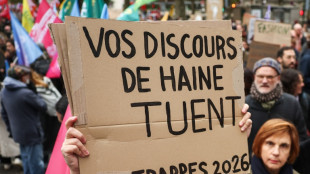
'Fighting for our rights': Paris protesters determined to march on
-
 Israeli forces displace Hebron families after deadly attack
-
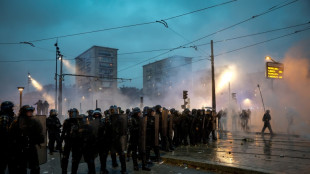
Clashes break out in Paris, other French cities amid fresh protests

-
 Hamilton on top with Antonelli fourth in final practice at US Grand Prix
-
Spurs seal rare win at Chelsea as Palmer sees red

-
 Beier late show sends Dortmund top of Bundesliga
-
Nearly 1,000 arrested in French protests marred by 'elevated' violence: minister

-
 Police and protesters clash again at Albanian anti-government rally
-
France extends detention of suspected racist shooter
-
 Arteta hails mentality as Arsenal go level with Man City
-
Andrade and Nemour star as Biles cheers at world gymnastics champs

-
 Clashes break out in Paris, other cities amid fresh protests
-
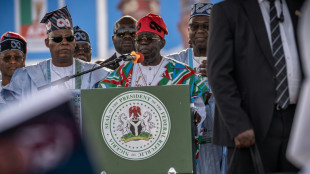
Nigeria's Tinubu defends record as economy bites ahead of election
-
 Bouthier kicks Vannes to first Top 14 win of season
-
'Guiding star' Fuellkrug bags Bremen brace, Leipzig win

-
 Thousands rally for Lula and Bolsonaro on eve of tight Brazil vote
-
Man City's perfect start ended by Aston Villa, Arsenal go joint-top

-
 Red-hot Fuellkrug bags Bremen brace, Leipzig win
-
Arsenal sink Everton to join Man City at Premier League summit

-
 Thousands gather at new Albanian anti-government rally
-
France protests: Latest developments

-
 French police fire tear gas during fresh protests
-
French ice dancers Cizeron and Fournier make golden start to season

-
 Suspect detained after fire wrecks Hitler's mountain retreat
-
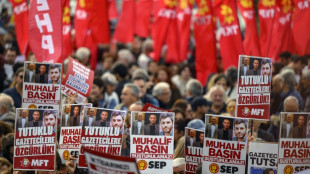
Thousands protest crackdown on media in Turkey
-
 Alexander Skarsgard and his viral 'Wicker' transformation
-
Brazil's Andrade returns to take vault gold at worlds

-
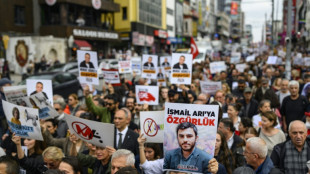 Thousands protest in Turkey over journalists' arrests, media shutdowns
-
Lula, Bolsonaro hold final rallies ahead of Brazil election

-
 Man City beaten by Aston Villa to end perfect Premier League start
-
Ukraine has 'stable connection' to Starlink: govt

-
 Luis Enrique says PSG unbothered by Lyon match switch
-
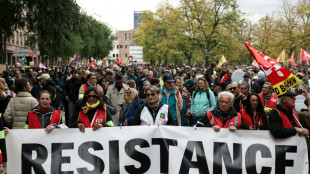
French protests kick off amid heavy security blanket
-
 US gymnast Richard wins floor exercise gold at worlds
-
250,000 rally in Madrid demanding state pension guarantees

-
 Moltzan upstages Shiffrin to win season-opening World Cup giant slalom
-
UK police says 'claims' over Meghan Markle's dad not sent to other law enforcement

-
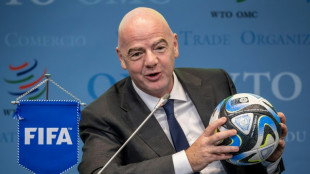 Infantino says backed by 'vast majority' in bid for re-election
-
Top-ranked Rybakina to face Fernandez for Ningbo title

-
 Police fire tear gas as new French protests kick off
-
Late India charge seals thrilling second T20 win over New Zealand

-
 Police fire tear gas as new French demonstrations kick off
-
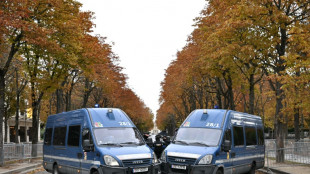
Seen and heard at France protests
-
 Tropical Storm Champi nears China after battering Taiwan, Japan
-
White says Fiji can have 'massive' World Cup after beating Japan

-
 'Weeks, not days' in Kompany recovery, say Bayern
-
England thrash France 82-0 to keep Rugby League World Cup hopes alive

EU Residence permits: Record level to third nationals
The European Union (EU) has witnessed a significant increase in the number of residence permits issued to third-country nationals over the past decades. This trend has sparked a debate on whether such immigration represents a valuable opportunity for the EU's future or poses a burden to its member states. This article explores the reasons behind the proliferation of residence permits and examines the potential implications for the EU.
Understanding the Surge in Residence Permits
Economic Drivers
One of the primary reasons for the high number of residence permits is the economic demand within the EU. Many member states face ageing populations and shrinking workforces, which can hinder economic growth and strain public welfare systems.
- Labour Shortages: Sectors such as healthcare, engineering, information technology, and agriculture often experience shortages of skilled and unskilled labour. Immigration provides a solution by filling these gaps with third-country nationals.
- Innovation and Competitiveness: Attracting highly skilled professionals from around the world enhances the EU's competitiveness in the global market, fostering innovation and technological advancement.
Educational Opportunities
European universities and educational institutions are renowned globally, attracting students from non-EU countries.
- International Students: Many third-country nationals receive residence permits to study in the EU, contributing to cultural diversity and academic excellence.
- Knowledge Retention: Post-graduation, some students choose to remain in the EU, adding value to the labour market with their acquired skills and expertise.
Humanitarian Obligations
The EU upholds strong commitments to human rights and humanitarian assistance.
- Asylum Seekers and Refugees: Conflicts, persecution, and humanitarian crises in regions like the Middle East and Africa have led to an influx of individuals seeking safety in the EU.
- Family Reunification: Policies that allow family members to join relatives legally residing in the EU contribute to the number of residence permits issued.
Legal Frameworks and Policies
EU directives and national policies facilitate the issuance of residence permits.
- Blue Card Scheme: Designed to attract highly qualified workers, the Blue Card system provides a streamlined process for third-country nationals to live and work in the EU.
- Bilateral Agreements: Some member states have agreements with non-EU countries to encourage mobility and cooperation.
Opportunity for the EU's Future
Economic Growth and Sustainability
Immigration can stimulate economic activity and support public finances.
- Workforce Renewal: Immigrants often fill essential roles, ensuring the continuity of services and industries.
- Fiscal Contributions: Employed immigrants contribute to tax revenues and social security systems, helping to offset the costs of an ageing native population.
Cultural Enrichment and Diversity
Diversity fosters creativity and innovation.
- Cultural Exchange: Immigrants bring new perspectives, traditions, and ideas, enriching the social fabric of EU societies.
- Soft Power: A multicultural population enhances the EU's global influence and diplomatic relations.
Addressing Demographic Challenges
Immigration helps mitigate demographic imbalances.
- Population Decline: In countries with low birth rates, immigrants contribute to population growth and demographic stability.- Support for Elderly Populations: A younger immigrant workforce can support the increasing number of retirees.
Potential Burdens and Challenges
Social Integration
Integrating immigrants into society poses challenges.
- Cultural Differences: Language barriers and cultural disparities can hinder social cohesion.
- Education and Training: Additional resources may be required to provide language education and vocational training.
Economic Pressures
There are concerns about the strain on public services.
- Welfare Systems: Increased demand for healthcare, housing, and social services can pressure budgets, especially if immigrants face unemployment.
- Labour Market Competition: Some fear that immigrants may compete with native workers for jobs, potentially affecting wages and employment opportunities.
Political and Social Tensions
Immigration can become a polarising issue.
- Rise of Populism: Anti-immigrant sentiments can fuel nationalist movements and political polarisation.
- Security Concerns: Issues related to border control and illegal immigration raise security considerations.
Balancing Act: Policies for Sustainable Immigration
For immigration to serve as an opportunity rather than a burden, strategic policies are essential.
Effective Integration Strategies
- Education and Language Acquisition: Investing in programmes that facilitate language learning and cultural orientation.
- Employment Support: Providing pathways for immigrants to enter the labour market commensurate with their skills.
Economic Planning
- Targeted Immigration: Aligning immigration policies with labour market needs to ensure that incoming individuals fill critical roles.
- Support for Innovation: Encouraging entrepreneurs and investors through favourable conditions and support networks.
Social Cohesion Initiatives
- Community Engagement: Promoting interactions between immigrants and local communities to build mutual understanding.
- Anti-Discrimination Laws: Enforcing legislation that protects the rights of immigrants and promotes equality.
Conclusion: A Future Shaped by Immigration
The influx of third-country nationals through residence permits presents both opportunities and challenges for the European Union. When managed effectively, immigration can address demographic issues, bolster economic growth, and enrich societies culturally. However, without careful planning and integration efforts, it may lead to social tensions and economic pressures.
The key lies in implementing comprehensive policies that maximise the benefits of immigration while mitigating its challenges. By fostering an inclusive environment and leveraging the potential of immigrants, the EU can turn what some perceive as a burden into a significant advantage for its future.

Video, ビデオ, 视频, Відео, 비디오, Wideo, 動画, Βίντεο, Видео!!

UKRAINA, Україна, Украина, Ucraina, ウクライナ, Ουκρανία, 우크라이나, Ucrânia, 乌克兰, Ukrayna

Poland erects wall along Belarusian border to stop migration

Ukraine: War terror of the russian army!

Ukraine's fight against the terrorist state of Russia

Hundreds of stolen artefacts go on display in Rome (Italy)
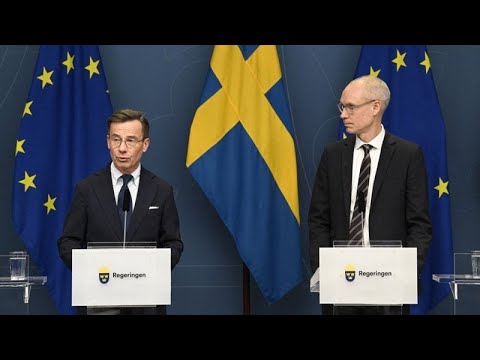
What is currently delaying Sweden's accession to NATO?

NASA UFO investigation team holds meeting before final report
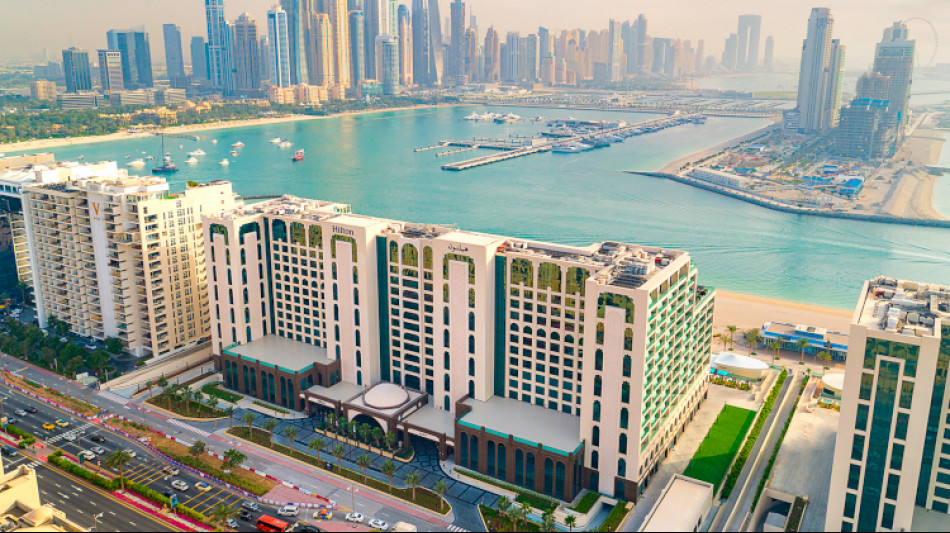
Hilton Dubai Palm Jumeirah in Dubai receives the AUBERGE AWARD 2023 from BERLINER TAGEZEITUNG

Talks between Sudan's warring parties underway in Jeddah

Ukraine-War: Warfare's brave new world enters a military moral maze