-
 Antonelli storms to pole for US Grand Prix
-
Apologetic Alvarez fires Atletico to win against Deportivo

-
 Alvarez fires Atletico to win against Deportivo
-
Lens beat PFC in Ligue 1 matchday impacted by social unrest

-
 Japan's Nakai wins Grand Prix de France for second straight year
-
Valkyries hit back against Dream to level WNBA Finals

-
 Ronaldinho to make comeback in Italian third tier
-
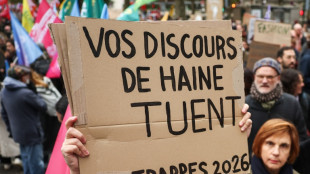
'Fighting for our rights': Paris protesters determined to march on
-
 Israeli forces displace Hebron families after deadly attack
-
Clashes break out in Paris, other French cities amid fresh protests
-
 Hamilton on top with Antonelli fourth in final practice at US Grand Prix
-
Spurs seal rare win at Chelsea as Palmer sees red

-
 Beier late show sends Dortmund top of Bundesliga
-
Nearly 1,000 arrested in French protests marred by 'elevated' violence: minister

-
 Police and protesters clash again at Albanian anti-government rally
-
France extends detention of suspected racist shooter
-
 Arteta hails mentality as Arsenal go level with Man City
-
Andrade and Nemour star as Biles cheers at world gymnastics champs

-
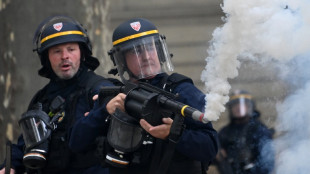 Clashes break out in Paris, other cities amid fresh protests
-
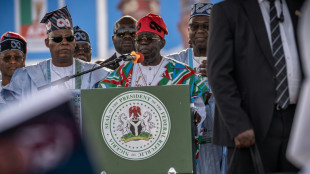
Nigeria's Tinubu defends record as economy bites ahead of election
-
 Bouthier kicks Vannes to first Top 14 win of season
-
'Guiding star' Fuellkrug bags Bremen brace, Leipzig win

-
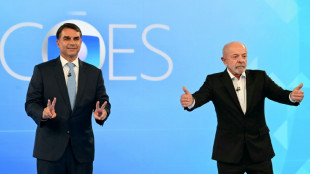
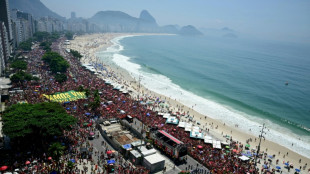 Thousands rally for Lula and Bolsonaro on eve of tight Brazil vote
-
Man City's perfect start ended by Aston Villa, Arsenal go joint-top

-
 Red-hot Fuellkrug bags Bremen brace, Leipzig win
-
Arsenal sink Everton to join Man City at Premier League summit

-
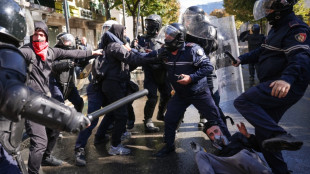 Thousands gather at new Albanian anti-government rally
-
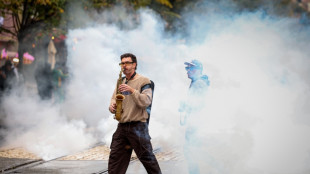
France protests: Latest developments
-
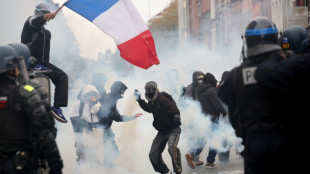 French police fire tear gas during fresh protests
-
French ice dancers Cizeron and Fournier make golden start to season

-
 Suspect detained after fire wrecks Hitler's mountain retreat
-
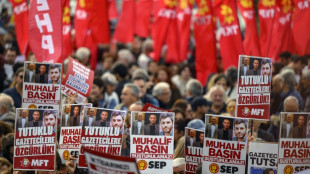
Thousands protest crackdown on media in Turkey
-
 Alexander Skarsgard and his viral 'Wicker' transformation
-
Brazil's Andrade returns to take vault gold at worlds

-
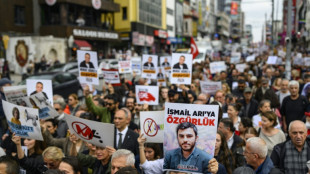 Thousands protest in Turkey over journalists' arrests, media shutdowns
-
Lula, Bolsonaro hold final rallies ahead of Brazil election
-
 Man City beaten by Aston Villa to end perfect Premier League start
-
Ukraine has 'stable connection' to Starlink: govt

-
 Luis Enrique says PSG unbothered by Lyon match switch
-
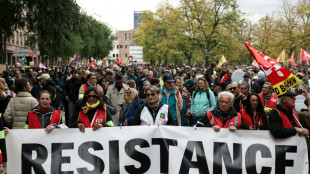
French protests kick off amid heavy security blanket
-
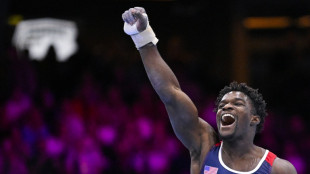 US gymnast Richard wins floor exercise gold at worlds
-
250,000 rally in Madrid demanding state pension guarantees

-
 Moltzan upstages Shiffrin to win season-opening World Cup giant slalom
-
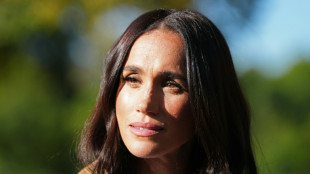
UK police says 'claims' over Meghan Markle's dad not sent to other law enforcement
-
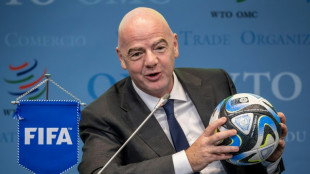 Infantino says backed by 'vast majority' in bid for re-election
-
Top-ranked Rybakina to face Fernandez for Ningbo title

-
 Police fire tear gas as new French protests kick off
-
Late India charge seals thrilling second T20 win over New Zealand

-
 Police fire tear gas as new French demonstrations kick off
-
Seen and heard at France protests
Trump announces Homan as new 'border czar'
Thomas Douglas Homan: A Comprehensive Overview of His Career and Influence on U.S. Immigration Policy
Thomas Douglas Homan is a prominent American law enforcement official best known for his role as the Acting Director of U.S. Immigration and Customs Enforcement (ICE) from January 2017 to June 2018. His tenure coincided with a period of significant change in U.S. immigration policy under the Trump administration. Homan's career reflects a steadfast commitment to immigration enforcement and has left a lasting impact on the national discourse surrounding immigration.
Early Life and Education
Born on 28 November 1961 in New York State, Thomas Homan embarked on a career in law enforcement after completing his education. He graduated from the State University of New York with a degree in criminal justice, which laid the foundation for his future endeavours in federal law enforcement agencies.
Career Beginnings with Immigration Enforcement
Homan's career with immigration enforcement began in 1984 when he joined the U.S. Border Patrol as a police officer. His early work involved patrolling the U.S.-Canada border, where he gained firsthand experience in immigration issues. Demonstrating dedication and proficiency, he quickly rose through the ranks, eventually transitioning to the Immigration and Naturalization Service (INS).
Advancement within ICE
With the creation of the Department of Homeland Security (DHS) in 2003, Homan became a part of ICE, a new agency formed under DHS to handle immigration enforcement and related matters. He served in various leadership roles, including as Deputy Assistant Director for Investigations, where he was responsible for overseeing criminal investigations into immigration violations.
In 2013, under the Obama administration, Homan was appointed as the Executive Associate Director of ICE Enforcement and Removal Operations (ERO). In this capacity, he managed the identification, apprehension, and deportation of illegal immigrants within the United States. His efforts focused on prioritising the removal of individuals who posed threats to national security and public safety.
Acting Director of ICE
In January 2017, President Donald Trump appointed Thomas Homan as the Acting Director of ICE. His leadership marked a significant shift in the agency's approach to immigration enforcement. Aligning with the administration's stringent policies, Homan directed ICE to intensify efforts to locate and detain undocumented immigrants, regardless of criminal history.
Homan became a vocal advocate for robust immigration enforcement, frequently appearing in media interviews and congressional hearings. He emphasised the importance of upholding the rule of law and argued that strict enforcement was necessary to deter illegal immigration and protect national security.
Controversies and Public Response
Homan's tenure as Acting Director was not without controversy. Advocacy groups and critics accused ICE under his leadership of aggressive tactics and a disregard for humanitarian concerns. The agency faced backlash for actions such as workplace raids and the detention of individuals without criminal records.
One of the most contentious issues during his tenure was the enforcement of the administration's "zero tolerance" policy, which led to the separation of families at the U.S.-Mexico border. Homan defended the policy as a necessary measure to enforce immigration laws but faced significant criticism from lawmakers, human rights organisations, and the public.
Retirement and Continued Advocacy
Thomas Homan announced his retirement from ICE in June 2018. However, he remained an influential figure in immigration policy debates. He continued to advocate for strict enforcement measures and frequently provided commentary on immigration issues through media appearances and writings.
In 2019, President Trump announced plans to appoint Homan as a "border czar" to coordinate immigration enforcement efforts across federal agencies. Although Homan did not ultimately assume this position, his expertise and viewpoints continued to shape discussions on immigration policy.
Legacy and Impact
Thomas Homan's career has left an indelible mark on U.S. immigration enforcement. His unwavering stance on strict immigration laws and his role in implementing the Trump administration's policies have made him a significant figure in the ongoing national conversation about immigration.
Supporters praise Homan for his commitment to law enforcement and national security, arguing that his policies deter illegal immigration and protect American citizens. Critics, however, contend that his approach lacks compassion and fails to address the complexities of immigration, including the humanitarian needs of migrants and asylum seekers.
Conclusion
Thomas Douglas Homan's career encapsulates the challenges and controversies inherent in U.S. immigration policy. His influence extends beyond his tenure at ICE, as he continues to be a prominent voice advocating for stringent enforcement measures. As the United States grapples with immigration reform and seeks to balance security concerns with humanitarian obligations, Homan's perspectives remain a critical part of the dialogue.
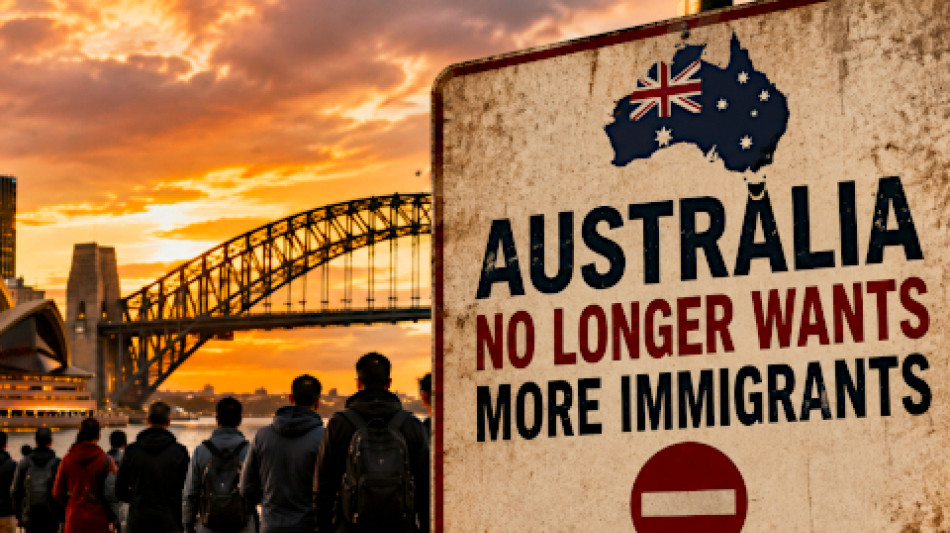
Australia limits migration
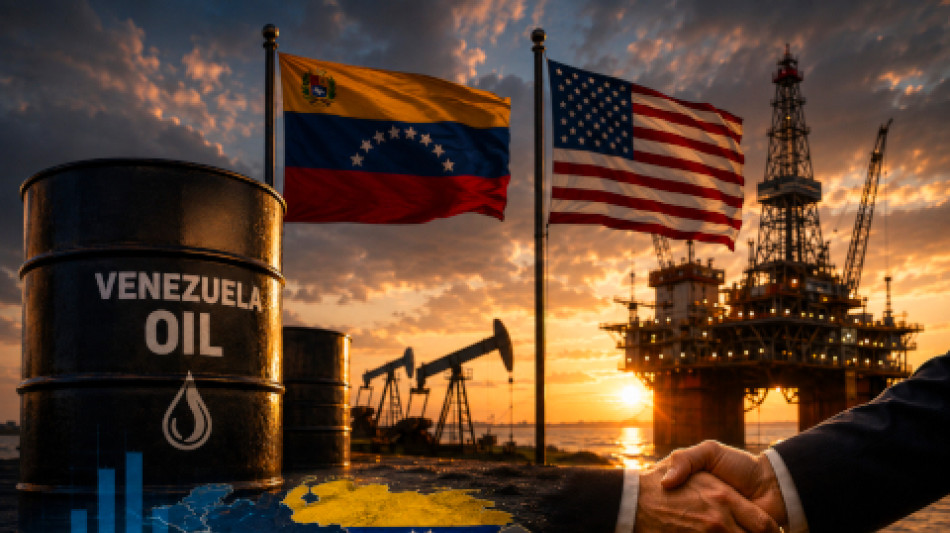
Venezuela’s Oil Return
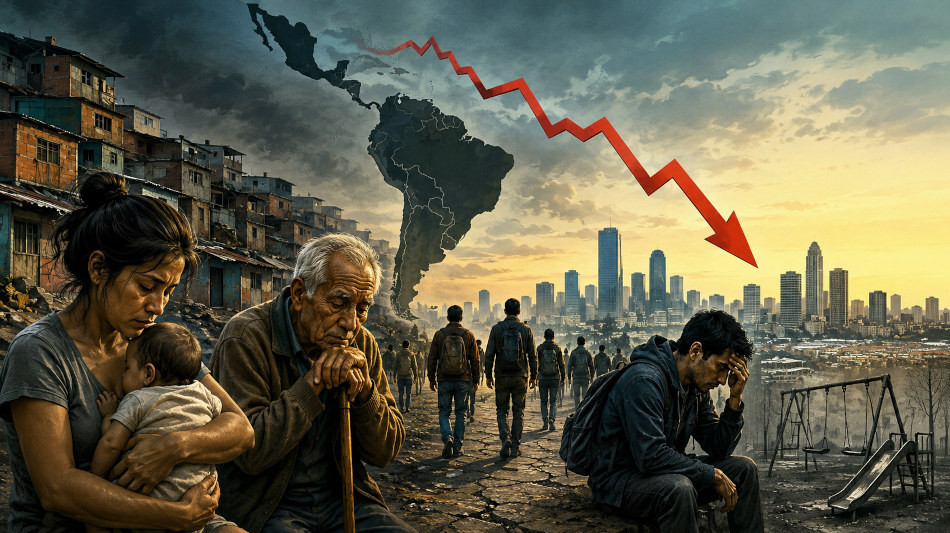
Latin America’s age trap

India's island choke point

Ukraine sends ground robots
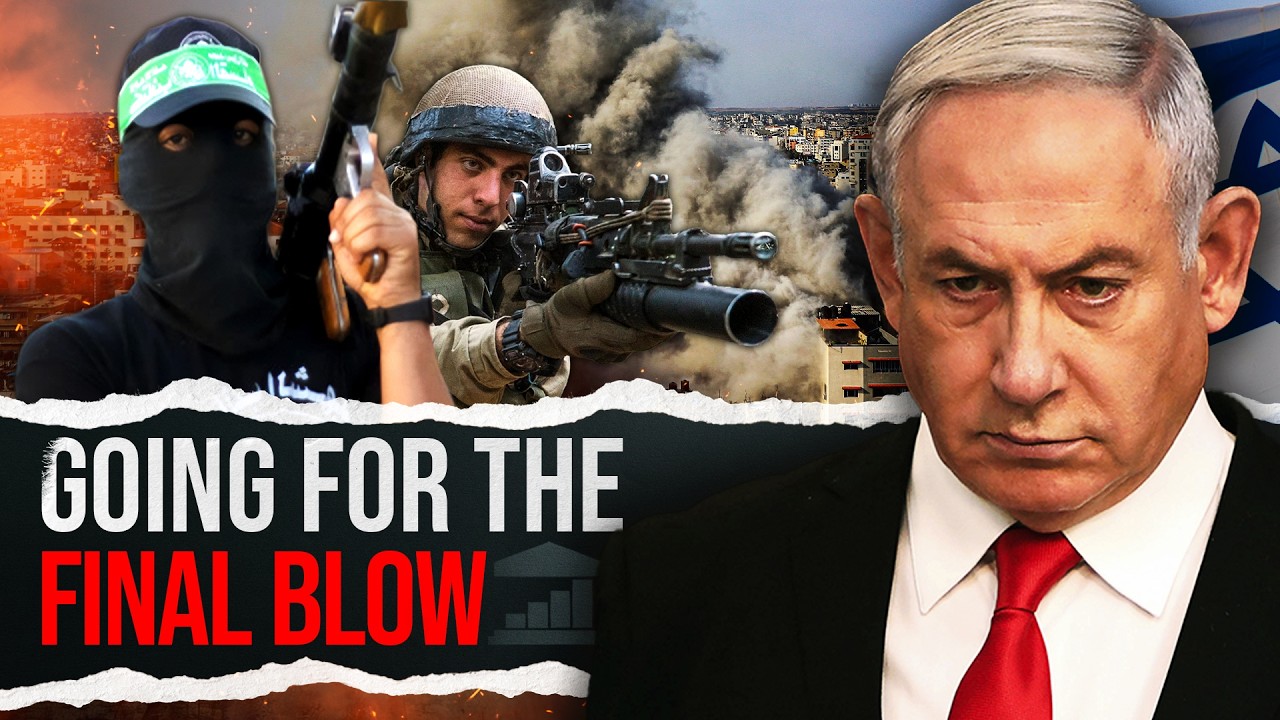
Is that Israel's final blow?
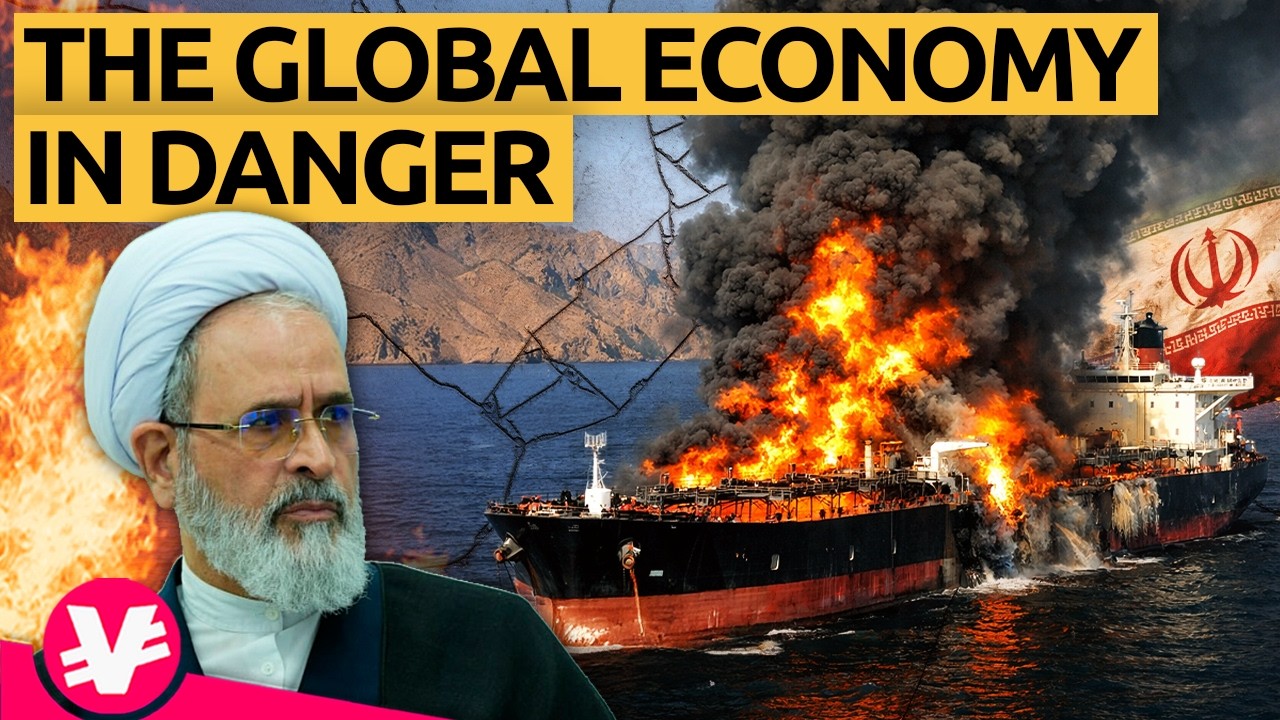
Hormuz Shock Risk rising
EU misstep on mercosur Deal
Trump's hesitation in Iran
Cuba’s bleak oil crisis
Venezuela’s economic roadmap