Fell asleep a princess, awoke a queen: Elizabeth in Kenya

 Rain delays start of second day's play in England-Pakistan opener

 Russian strikes kill 16 in Kyiv, surrounding region
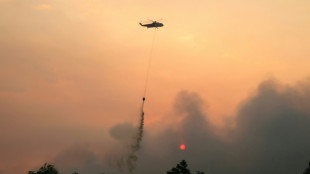 'It is tough': Indonesia battles wildfires, bracing for worse to come

 Seoul detects North Korean missile launches after Trump says to meet Kim
 Thai, Myanmar military chiefs meet as post-coup thaw progresses

 Asian stocks rally as US Treasury steps in to ease bond fears

 Verstappen signs new Red Bull contract until 2030: team

 What property giant Evergrande's sentence means for China's economy

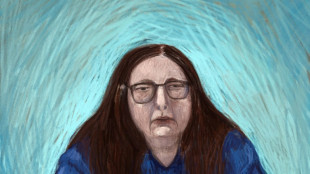 Australian prosecutors demand life in prison for mushroom killer

 Fallout far-reaching for Australian Rules after latest scandal

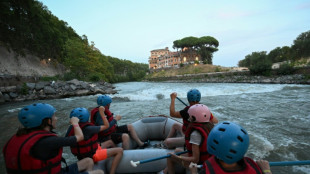 Rafts on Rome's Tiber River cool down overheated tourists
 Top seeds Sabalenka, Zverev stunned in Cincinnati fourth round
 Australia says relations with Israel 'difficult' after aid worker death

 PSG start Ligue 1 defence with eye on Champions League hat-trick
 Arsenal can become world's best club: Arteta
 Japan's King Kazu, 59, scores twice from spot to make cup history
 Kyiv's desperate vendors persevere outside obliterated flea market
 Australia races to shield little penguins from H5N1 bird flu

 Messi scores first goal since father's death

 US national debt exceeds $40 trillion for first time
 Brazilian narco violence spills over into tranquil Bolivia

 Trump's devoted 'human printer' in media glare

 Top seed Zverev bundled out by Paul in rain-hit Cincinnati upset
 WADA pledges vigilance on Russian athletes ahead of 2028 Olympics

 NASA satellite rescue mission fails

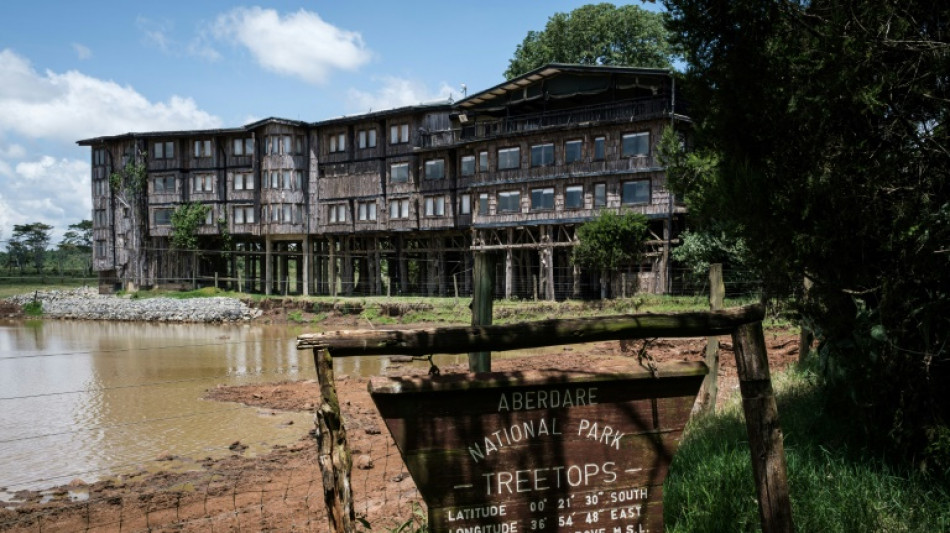
Princess Elizabeth was deep in the Kenyan forest on the adventure of a lifetime, spotting wildlife from high up in the treetops, when her father died and she became queen.
The world awoke on February 6, 1952, to the death of King George VI, who had succumbed during the night to lung cancer at the royal Sandringham residence in Norfolk.
His 25-year-old daughter and heir to the throne only heard the news later the same day, when word reached Elizabeth thousands of miles from home in the wilderness of the Aberdare Range.
Kenya, then a British colony, was the first stop on Elizabeth's tour of the Commonwealth she had embarked upon with her husband, Prince Philip, in place of her ill father.
The royal couple had taken a night out of their official engagements to stay at a one-of-a-kind game-watching lodge perched in a tree in the Aberdares interior.
It was during their night at the Treetops hotel that the king would die, and Elizabeth would become queen.
Jim Corbett, the naturalist and hunter who accompanied the royal couple to Treetops, is credited with writing in the visitor book: "For the first time in the history of the world, a young girl climbed into a tree one day a Princess and, after having what she described as her most thrilling experience, she climbed down from the tree next day a queen."
- 'Most wonderful experience' -
In fact, the Duke of Edinburgh broke the news to Elizabeth after they had left Treetops but the story stuck and the hotel became the fabled locale where a princess became a queen.
First opened in 1932 as an overnight stay for wealthy and intrepid visitors, Treetops overlooked a watering hole from its position in a giant fig tree.
In its day, there wasn't really anything like it.
A private setting among branches, remote in the African bush, Treetops offered the privileged elite a chance to encounter wildlife up close, and in safety, as they grazed below.
Elizabeth and Philip kept a handwritten tally of what they saw, recorded on a sheet of paper framed still today inside Treetops.
Large herds of elephant -- "about 40" in one sighting -- were spotted at the watering hole, along with baboons and waterbuck.
"Rhinos all night", read the list dated February 5/6, 1952 and signed by the Princess and Prince, and "in the morning, two bulls fighting".
An aide to the royal couple, instructed to write and thank the hotel's owners, described a "tremendous experience of watching the wild game in its natural surroundings" and day and night "packed with interest".
"I am quite certain that this is one of the most wonderful experiences that either The Queen or The Duke of Edinburgh have ever had," read the letter framed in Treetops dated February 8, 1952.
- Faded memories -
Two years after the historic visit, with Elizabeth having assumed the throne, Treetops burned down in what was rumoured to be an arson attack by anti-colonial Mau Mau rebels.
A new, much larger hotel was built on elevated wooden stilts on the opposite side of the watering hole to the original setting, where it still stands today.
The royal visit -- and the legend to go with it -- made Treetops among the most famous hotels in the world.
Well-heeled guests could stay in the Princess Elizabeth Suite, peruse royal memorabilia in the dining room, or gaze upon a portrait of the Queen framed by the tusks of an elephant shot by hunters in the 1960s.
Elizabeth and Philip returned in 1983 -- more formal than safari, with the queen in a knee-length dress, the duke in a blazer and tie -- to find Treetops very much changed in the 31 years between visits.
For many years, nothing more than a plaque marked where they spent that fateful night by the watering hole.
But today it is nowhere to be seen, put in storage after Treetops closed its doors at the onset of the coronavirus pandemic.
Two years later -- as the queen prepares to mark her platinum Jubilee -- it remains shut, a faded icon of a bygone era.
D.AbuRida--SF-PST