More than 9,000 tree species still undiscovered: study

 Rain delays start of second day's play in England-Pakistan opener

 Russian strikes kill 16 in Kyiv, surrounding region
 'It is tough': Indonesia battles wildfires, bracing for worse to come

 Seoul detects North Korean missile launches after Trump says to meet Kim

 Thai, Myanmar military chiefs meet as post-coup thaw progresses

 Asian stocks rally as US Treasury steps in to ease bond fears

 Verstappen signs new Red Bull contract until 2030: team

 What property giant Evergrande's sentence means for China's economy

 Australian prosecutors demand life in prison for mushroom killer

 Fallout far-reaching for Australian Rules after latest scandal

 Rafts on Rome's Tiber River cool down overheated tourists

 Top seeds Sabalenka, Zverev stunned in Cincinnati fourth round

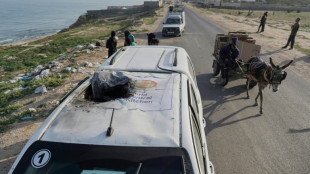 Australia says relations with Israel 'difficult' after aid worker death

 PSG start Ligue 1 defence with eye on Champions League hat-trick

 Arsenal can become world's best club: Arteta

 Japan's King Kazu, 59, scores twice from spot to make cup history

 Kyiv's desperate vendors persevere outside obliterated flea market

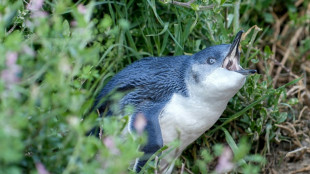 Australia races to shield little penguins from H5N1 bird flu

 Messi scores first goal since father's death

 US national debt exceeds $40 trillion for first time
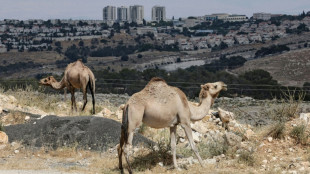
 Brazilian narco violence spills over into tranquil Bolivia

 Trump's devoted 'human printer' in media glare

 Top seed Zverev bundled out by Paul in rain-hit Cincinnati upset

 WADA pledges vigilance on Russian athletes ahead of 2028 Olympics

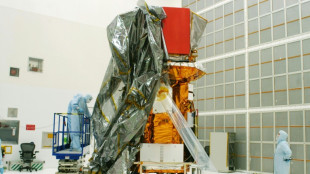 NASA satellite rescue mission fails
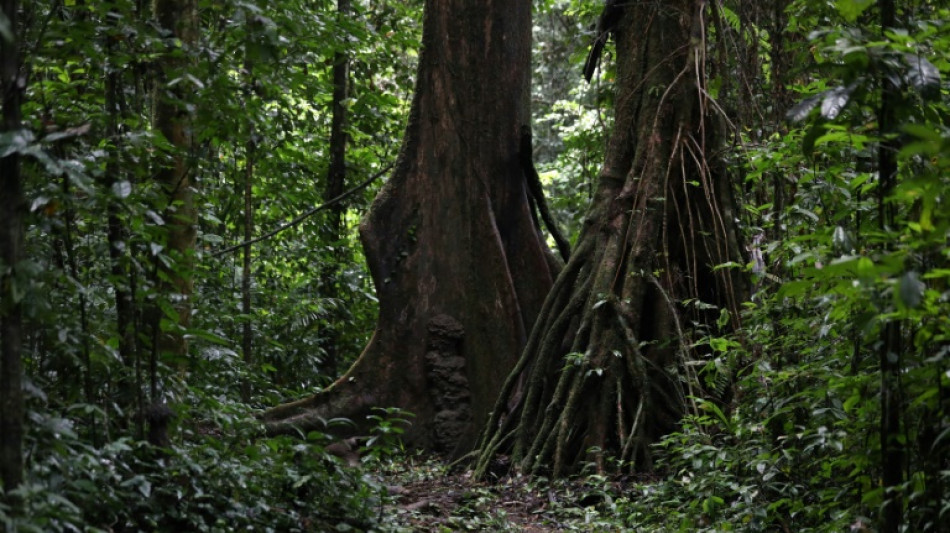
Researchers estimate there are significantly more species of trees on Earth than currently known, with more than 9,000 species yet to be discovered, according to a study published Monday.
"Estimating the number of tree species is essential to inform, optimize, and prioritize forest conservation efforts across the globe," said the study, which was published in the US National Academy of Sciences journal PNAS and involved dozens of scientists.
About 64,100 tree species have already been identified.
But according to the study, which is based on a more complete database and uses a more advanced statistical method than previous ones, the total number of tree species is about 73,300 -- 14 percent more.
That means about 9,200 species have not yet been discovered.
Overall, the study said that "roughly" 43 percent of all tree species are found in South America, followed by Eurasia (22 percent), Africa (16 percent), North America (15 percent) and Oceania (11 percent).
Half to two-thirds of all known species are found in tropical or subtropical rainforests on five different continents, the researchers estimated.
A large proportion of the species yet to be discovered should therefore be found in these same regions, where fewer surveys are conducted.
Additionally, nearly a third of the world's tree species are scientifically classified as rare, with low populations in limited regions. These species are therefore more vulnerable to the threat of extinction.
Only 0.1 percent of species are found in all five of the regions identified by the study.
South America also has the highest proportion of endemic species, or species only present on that continent, at 49 percent.
"These results highlight the vulnerability of global tree species diversity," the study authors said, especially in the face of changes to the land due to human activity, and "future climate."
"Losing regions of forest that contain these rare species will have direct and potentially long-lasting impacts on the global species diversity and their provisioning of ecosystem services."
Species surveys are very time-consuming and present many challenges, including lack of access to certain areas and consistency of identification, and several botanists may characterize the same species slightly differently.
M.Qasim--SF-PST