-
 Lyon down Palace in Europa League, Sunderland leave it late
-
Martinez apologises for outburst at Man Utd hierarchy

-
 UniCredit says receives ECB green light for Commerzbank takeover
-
Houthis launch deadly attack on presidential palace in Yemen's Aden

-
 New York City pension fund asks Anthropic to delay IPO
-
Brazil forward Antony says home burgled during Betis match

-
 Venezuela's Maduro denies US torture charges as 'false accusations'
-
Ravens face familiar foe in Browns coach Monken

-
 Somalia sets May presidential election despite insecurity
-
France, Germany reach deal on future of car industry

-
 Chelsea's Caicedo eager to be more of a leader
-
Carney campaigns for Canadian unity before Alberta secession vote

-
 Rahm reaches separation deal with LIV in bankruptcy court
-
ATP proposes rankings system changes, extra player bonuses

-
 UN chief urges nations to end 'war on nature'
-
Russell Brand was 'monster-like', alleged victim tells UK court
-
 Newcastle boss Jaissle says Fernandez-Pardo just needs a goal
-
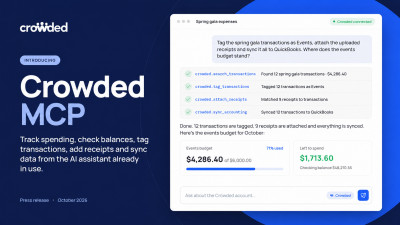
Crowded Launches Crowded MCP, Bringing Nonprofit Financial Operations Into ChatGPT and Claude
-
 Infantino offers apology but 'no answers' at FIFA meeting over World Cup plan
-
Albanian PM condemns 'chaos' as violent unrest spreads

-
 Don't exclude Turkey from 'Made in Europe' plan: minister to AFP
-
Italian football suffers new blow with Champions League misery

-
 French duo Justice to score 'GTA VI': game maker
-
Trump scraps plan to livestream execution after broad backlash
-
 El Nino a 'terrifying' threat to coral reefs: UN biodiversity expert
-
Seven missing off Romania after latest Black Sea drone attacks

-
 Barcola must get used to Liverpool highs and lows, says Iraola
-
ARKBRIDGE Outlines Jonathan Morelli’s “Picks and Shovels” AI Infrastructure Investment Strategy

-
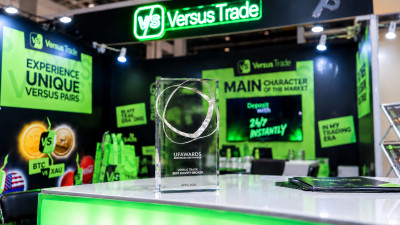 Versus Trade Wins Best ECN/STP Broker APAC 2026, Marking Third UF Awards Recognition
-
Tech sell-off rolls on as hot inflation data stokes rate worries
-
 Three dead as Istanbul sees heaviest rainfall in 80 years
-
McIlroy makes 'solid' start in rain-hit Delhi as Norgaard leads

-
 US producer prices see biggest jump since 2022 in added challenge to Trump
-
Seven missing after fire on vessel in Black Sea off Romania

-
 Swiatek avoids seed exodus to breeze into Wuhan last eight
-
'Severe drought' declared in parts of UK

-
 PM condemns 'chaos' as violent protests grip Albania
-
IUX Announces New Web Client Portal Built for Enhanced Browser-Based Trading

-
 'I couldn't breathe', Russell Brand's alleged rape victim says
-
School roof collapse kills teacher, 32 children in NW Pakistan

-
 Pope's cancer operation already reshaping papacy
-
Inter skipper Martinez facing month out with thigh injury

-
 Zverev cruises past De Minaur to reach Shanghai semi-finals
-
Spanish prosecutors back abuse probe into Julio Iglesias
-
 Ukraine's Zelensky defies Trump with Russian refinery strikes
-
Tech sell-off deepens as US inflation sparks AI jitters
-
 Holders Australia edge New Zealand 24-22 to open Rugby league World Cup
-
Southgate does not forsee a return to management

-
 'Ocarina of Time': Nintendo gives Zelda classic a modern makeover
-
Two dead as Istanbul endures heaviest rainfall in 80 years

Chinese shoppers spend billions but Singles Day more muted
Chinese shoppers flocked to online commerce giants on Friday, snapping up hundreds of billions of yuan in bargains, though an economic malaise took some shine off the annual Singles Day fever.
Sales revenues across platforms operated by tech giants such as Alibaba and JD.com hit around 262 billion yuan ($36.7 billion) between 8:00 pm on Thursday and 2:00 pm (0600 GMT) on Friday, according to an estimate by research firm Syntun.
Analysts said demand was more muted than in previous years, while consumers told AFP that a lack of spending power and an economy groaning under a hardline zero-Covid policy had dampened desire to spend.
Nonetheless, the combined gross value of products sold since late October "may surpass a trillion yuan" for the first time, Xiaofeng Wang, principal analyst at research firm Forrester, said earlier in a note.
"This year, merchants and platforms are focusing less on sales and more on profit and conversion rates," said tech analyst Liu Xingliang.
"After so many years, it's natural for (Singles Day) to become less popular," he said, adding that a bright spot appeared to be greater interest in livestreamed sales.
"Chinese consumers have become more rational and no longer hoard large amounts of goods like they did in years gone by", economist Song Qinghui told AFP.
"They buy according to their needs, perhaps because consumption is becoming more transparent, and also because of the impact of the Covid-19 pandemic," he said.
Conceived by Alibaba, the event's title riffs on a tongue-in-cheek celebration of singlehood inspired by the four ones -- "11/11" -- that denote its date of November 11.
It has grown to encompass much of China's retail sector, with merchants offering varying levels of discounts starting in late October.
Once a festival of frenzied consumption led by Alibaba's effervescent founder Jack Ma, Singles Day has been more muted in recent years as Beijing cracks down on online platforms and state media coverage has waned.
Beijing resident Liu Yingxue said the Single's Day atmosphere was "not as enthusiastic" as in previous years.
The platforms "used to have more ads and promotions... and don't give so many discounts these days," she told AFP.
- Economic strain -
The mood has been dampened further this year as Beijing persists with a zero-Covid strategy that has hammered business confidence and chipped away at consumer demand.
The event, conceived in 2009, has previously lured throngs of Chinese influencers alongside Western celebrities including Kim Kardashian and Taylor Swift, drawing heavy coverage in both domestic and international media.
This time around, a series of scandals and a campaign against tax evasion have lowered expectations of celebrity endorsements, with influential Chinese live-streamer Viya disappearing from social media late last year in the wake of a tax probe.
Alibaba said last week the event could "make a big difference" for retailers struggling with supply-chain disruptions and inflation this year, including a slew of foreign brands.
Businesses and consumers alike have been laid low by China's Covid prevention policies, which see officials wield snap lockdowns, mass testing and lengthy quarantines in response to a handful of cases.
Beijing resident Li Xiaofeng said the "state of the whole economy" was likely putting platforms and merchants under more pressure, "so they are offering fewer discounts".
Another denizen of the capital, Lin Xiangru, blamed Covid -- adding that "people have less guaranteed income than before, so they don't want to spend money on desired products."
China is the last major economy wedded to a zero-Covid strategy, with officials insisting they will stick "unswervingly" to the policy.
But Beijing announced the relaxation of some of its harsher curbs on Friday, cutting quarantine for overseas arrivals and scrapping Covid-related flight bans.
bur-tjx-sbr-mjw/dva
W.AbuLaban--SF-PST