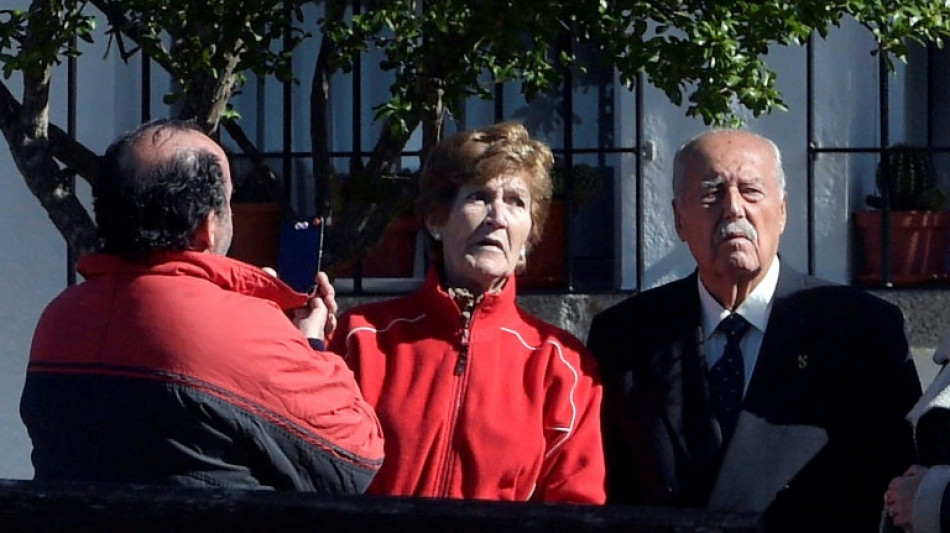
Antonio Tejero, leader of Spain's failed 1981 coup, dies at 93 / Photo: CURTO DE LA TORRE - AFP

 El Nino a 'terrifying' threat to coral reefs: UN biodiversity expert
 Barcola must get used to Liverpool highs and lows, says Iraola

 Versus Trade Wins Best ECN/STP Broker APAC 2026, Marking Third UF Awards Recognition

 Three dead as Istanbul sees heaviest rainfall in 80 years
 US producer prices see biggest jump since 2022 in added challenge to Trump
 Swiatek avoids seed exodus to breeze into Wuhan last eight
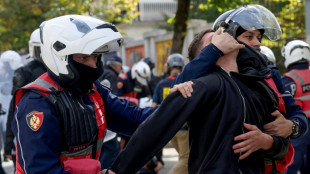 PM condemns 'chaos' as violent protests grip Albania

 'I couldn't breathe', Russell Brand's alleged rape victim says
 Pope's cancer operation already reshaping papacy
 Zverev cruises past De Minaur to reach Shanghai semi-finals
 Ukraine's Zelensky defies Trump with Russian refinery strikes

 Holders Australia edge New Zealand 24-22 to open Rugby league World Cup
 'Ocarina of Time': Nintendo gives Zelda classic a modern makeover
 France charges teen shooter citing revenge for bullying in school
 Martinez blames 'anger' for dig at Man Utd hierarchy
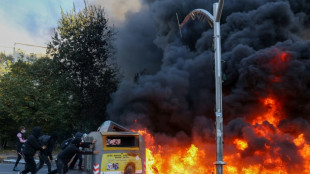 Crowds build as Albanian PM tours protest aftermath
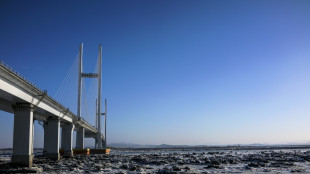 China-North Korea bridge opens, 12 years late
 Asian Cup in Saudi Arabia could be postponed but 'no hurry' to decide: AFC
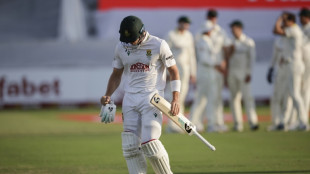 Conrad wields axe after South Africa loss to Australia
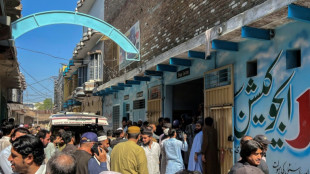 School roof collapse kills teacher, 27 children in NW Pakistan
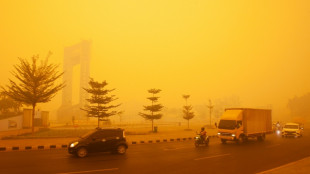
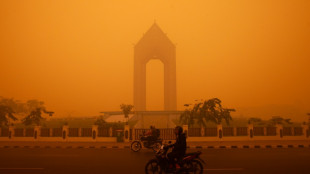 Haze turns Indonesia skies orange, shuts schools in East Timor
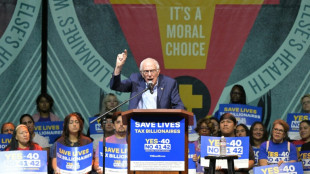 California puts first US billionaire tax to the vote
 School headscarf ban meets resistance in Austria
 World's top cocoa producer aims for a climate-tough bean
 Why is Shell facing lawsuits over climate disasters in Brazil and the Philippines?
Antonio Tejero Molina, the Spanish Civil Guard officer who led a failed 1981 coup that ended up strengthening Spain's fledging democracy, has died aged 93, his family's lawyer said Wednesday.
"Lieutenant Colonel Don Antonio Tejero Molina has passed away. A man of honour, unwavering faith, and great love for Spain. May God grant him the peace that men denied him," Luis Felipe Utrera Molina wrote on X.
The announcement of his death came on the same day that Spain's leftist government released classified documents related to the February 23, 1981 coup attempt, a key moment in modern Spanish history.
The failed putsch came six years after the death of General Francisco Franco and was orchestrated by military officers nostalgic for the privileges they enjoyed during more than four decades of his dictatorship.
Spain's budding democracy came to a shuddering halt that day when rebellious civil guards, led by Tejero Molina, stormed parliament and held lawmakers at gunpoint for almost 24 hours.
Bellowing "Silence, everyone!" to terrified parliamentarians, the man with a bushy moustache and shiny tricorn quickly caught the public's attention in an image engraved on the nation's collective memory.
The siege only ended when it became clear that King Juan Carlos, Franco's designated successor, would not support the uprising.
-'Do the same again' -
Born on April 30, 1932 in Alhaurin el Grande, a town near the southern city of Malaga, Tejero saw his early childhood marked by the 1936-1939 civil war which led to 36 years of authoritarian rule under Franco.
At the time of the coup, Tejero was 48 and had spent his entire adult working life in the Civil Guard, Spain's military police.
In November 1978, Tejero had been linked to another failed bid to overthrow the government, known as Operation Galaxy, for which he was sentenced to seven months behind bars.
But it was the later coup, led by senior military commanders, that turned into "the founding myth of Spanish democracy", said Javier Cercas, whose book "Anatomy of an Instant" details the events of February 1981.
"On 23 February 1981, 200 years of military interventionism in Spain came to an end," he wrote in El Pais newspaper, saying that was the moment that democracy "truly began in Spain".
During his trial, Tejero justified his actions, saying: "At the start of 1981, the situation in Spain... was worse than in 1936," when rebel troops rose up and overthrew the elected republican government.
And if given the chance, Tejero said he would "do the same again", press reports at the time said.
Sentenced to 30 years for military rebellion, he was expelled from the Civil Guard and stripped of his rank.
- Painter and politics -
While serving time he became a candidate to fill a seat in the very parliament he had tried to overthrow.
Had he managed to win a seat in the chamber, he could have looked up and seen the bullet holes left in the ceiling by the gunshots he fired and whose marks are still there.
But the extreme right Spanish Solidarity party he founded failed to win a single seat in the 1982 elections.
During his time in jail, Tejero also swapped his pistol for a paintbrush, taking up art classes that saw him produce nearly 300 artworks, El Pais newspaper reported.
After being released on parole in December 1996, he carried on painting, at one time reportedly selling his canvases to supporters for up to 2,400 euros a piece, although they later fell to around 600 euros, El Mundo daily reported in 2016.
Fiercely protective of his privacy, Tejero kept away from the press and never published his memoirs.
"I did what I thought I had to do to save Spain," he said some two months after the failed coup in an interview from prison with journalist Pilar Urbano, who was in parliament's press gallery when the putschists stormed in.
"I am no longer a colonel, nor a member of the Civil Guard. I have lost my career but I will never lose my patriotism," she quoted him as saying.
U.AlSharif--SF-PST