Why are more under-50s getting colorectal cancer? 'We don't know' / Photo: VALERIE MACON - AFP/File

 Rahm reaches separation deal with LIV in bankruptcy court

 UN chief urges nations to end 'war on nature'
 Newcastle boss Jaissle says Fernandez-Pardo just needs a goal

 Infantino offers apology but 'no answers' at FIFA meeting over World Cup plan

 Don't exclude Turkey from 'Made in Europe' plan: minister to AFP
 French duo Justice to score 'GTA VI': game maker

 El Nino a 'terrifying' threat to coral reefs: UN biodiversity expert

 Barcola must get used to Liverpool highs and lows, says Iraola

 Versus Trade Wins Best ECN/STP Broker APAC 2026, Marking Third UF Awards Recognition

 Three dead as Istanbul sees heaviest rainfall in 80 years

 US producer prices see biggest jump since 2022 in added challenge to Trump

 Swiatek avoids seed exodus to breeze into Wuhan last eight

 PM condemns 'chaos' as violent protests grip Albania

 'I couldn't breathe', Russell Brand's alleged rape victim says

 Pope's cancer operation already reshaping papacy

 Zverev cruises past De Minaur to reach Shanghai semi-finals

 Ukraine's Zelensky defies Trump with Russian refinery strikes

 Holders Australia edge New Zealand 24-22 to open Rugby league World Cup

 'Ocarina of Time': Nintendo gives Zelda classic a modern makeover

 France charges teen shooter citing revenge for bullying in school

 Martinez blames 'anger' for dig at Man Utd hierarchy

 Crowds build as Albanian PM tours protest aftermath
 China-North Korea bridge opens, 12 years late

 Asian Cup in Saudi Arabia could be postponed but 'no hurry' to decide: AFC

 Conrad wields axe after South Africa loss to Australia
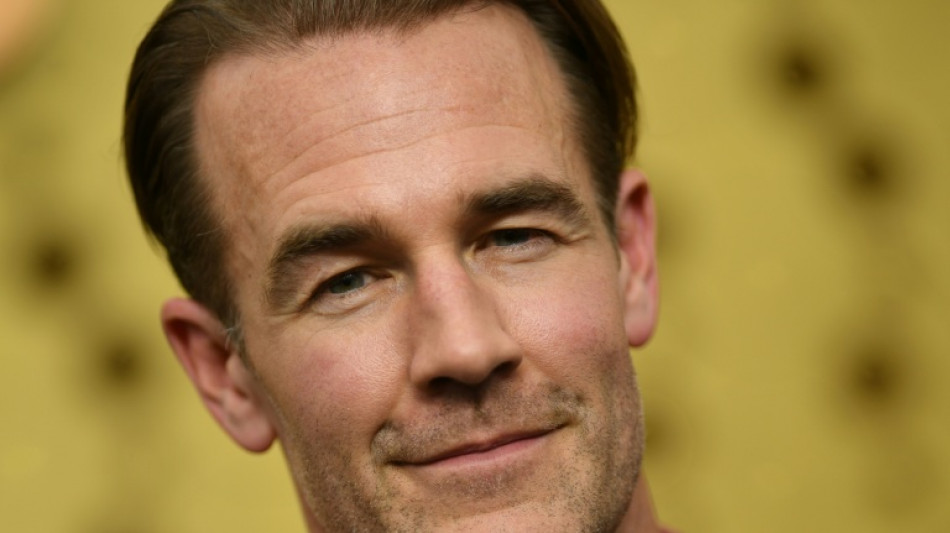
The death of US actor James Van Der Beek was just the latest reminder that colorectal cancer has been surging among people under 50 in recent years -- and no one knows why.
The "Dawson's Creek" star died last week aged 48 after being diagnosed with colorectal cancer, also known as bowel cancer.
Fellow US actor Chadwick Boseman of "Black Panther" fame died from the same disease in 2020 at the age of 43.
The rate of people under 50 being diagnosed with this cancer has risen by roughly a third since the 1990s, Helen Coleman, a cancer epidemiology professor at Queen's University Belfast, told AFP.
It is now the leading cause of death from cancer among under-50s in the United States, according to research published in the JAMA journal last month.
This "sounds really scary," but the increase has come from a low starting point, Coleman emphasised.
The vast majority of cases are still among older people -- only six percent of all colorectal cancers are diagnosed in people under 50, according to her research in Northern Ireland.
And rates are stabilising or even going down among older people in some areas because of better screening, she added.
However, young people are less likely to think they could be susceptible to this cancer, which was long considered to only be suffered by the elderly.
Once younger people finally get diagnosed, it is often too late -- as was the case with Van Der Beek.
- What is driving this increase? -
Similar to other cancers among young people, colorectal cancer has been linked with being overweight, having a bad diet, not exercising enough, drinking and smoking.
But these lifestyle factors are not enough to "account for the massive change that we have seen in a relatively short time frame," Coleman said.
And many of the younger patients appear to have been in good health, including Van Der Beek, who was in great shape before being diagnosed in 2023.
"I was biohacking, I was doing the saunas and the cold plunges and all of it -- and I had stage three cancer, and had no idea," the father of six told a US TV interview in December.
So what could be behind this relatively sudden increase?
"We don't know," Jenny Seligmann, a researcher specialising in colorectal cancer at the University of Leeds in the UK, told AFP.
This mystery has led researchers to look for other potential causes, including inside the microbiome, a vast ecosystem of microbes in our guts that remains little understood.
A study in the journal Nature last year discovered a "really important first clue" in this area, Coleman said.
It found that DNA mutations of a toxin called colibactin, which is caused by the common bacteria E.Coli, were much more common in younger people with colorectal cancer than in older patients.
But significantly more research is needed in this area.
For one, it is not known if young people simply tend to have more of this toxin than older people, Coleman pointed out.
There has also been research suggesting that repeatedly using antibiotics could be associated with early colorectal cancer.
Seligmann said she was also seeing many different subtypes of colorectal cancer in her clinic, which suggests there is not a single cause behind the rise.
"It's going to be very difficult to pinpoint it to one cause," she said.
- When should screening start? -
Before his death, a gaunt-looking Van Der Beek urged people with any symptoms to consider getting tested.
"I want to shout from the rooftops -- if you are 45 or older, talk to your doctor," the father of six said.
The most noticeable symptom of colorectal cancer is changes in bowel movements -- such as diarrhoea or constipation.
Other symptoms include blood in faeces, unexplained weight loss and fatigue.
Because of the increasing number of younger cases, in 2021 the United States lowered the age it starts colorectal cancer screening from 50 to 45.
There have been calls for other countries to do the same. The UK and France start screening from age 50.
K.Hassan--SF-PST