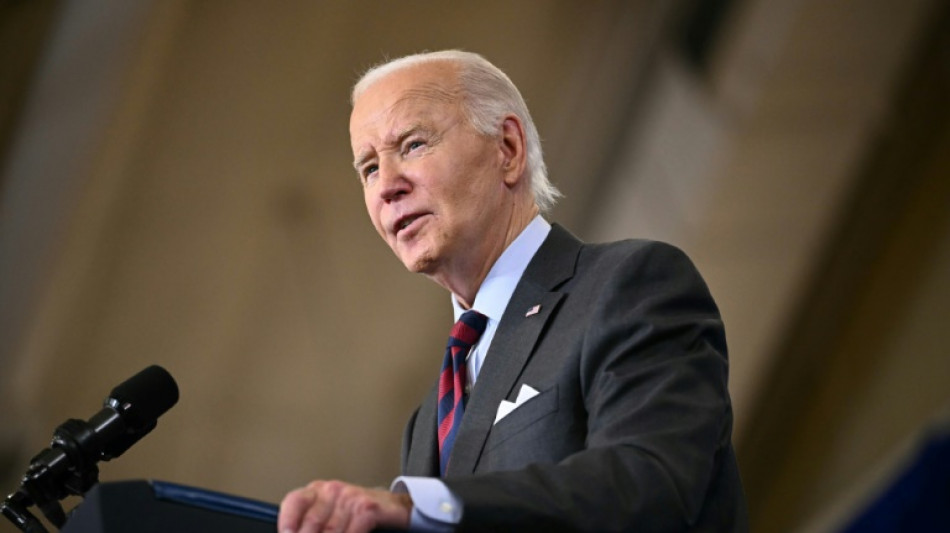
US unveils national security plan to step up use of AI / Photo: Mandel NGAN - AFP

 US influence, AI and mistrust cloud Alberta independence vote

 Pant, Bumrah named in India Test squad for New Zealand tour

 Coen brothers say they plan to make film together again

 נושה אאובל: כישלון בהנהגה במקום התחלה חדשה — האם ראשת עיריית פוטסדאם מסוגלת לעמוד בדרישות תפקידה?

 From hospital, pope pushes Putin for ceasefire in contested Ukraine city
 تأسيس تم العالمية لتصدير خبرات أبوظبي في الخدمات الرقمية

 موعد مباراة الزمالك والجيش الرواندي والقنوات الناقلة

 تسلا تكشف تفاصيل جديدة عن رودستر وسط حديث عن قدرات طيران قصيرة

 أحمد التويزي يتولى رئاسة مجلس النواب المغربي في مرحلة سياسية جديدة

 مجلس الشعب السوري يستعد للانتقال من التنظيم الداخلي إلى التشريع

 مصر تحتج على افتتاح كولومبيا سفارة في القدس وتستدعي القائم بالأعمال

 اتحاد موظفي أونروا يطلب ضمانات رسمية لوقف تقليصات غزة

 تقرير فلسطيني يرصد أكثر من 1400 انتهاك في الضفة خلال أسبوع

 حماس في لبنان تنظم فعالية في الذكرى الثانية لمقتل السنوار

 أسعار الواردات الأميركية ترتفع بأسرع وتيرة في أكثر من أربع سنوات

 قائد الناتو في أوروبا يستبعد هجوماً روسياً مباشراً على الحلف

 إي إف جي هيرميس الإمارات تبدأ خدمات صناعة السوق في سوق أبوظبي

 الإمارات تعرض جهودها لتعزيز الأمن الصحي واستئصال شلل الأطفال

 جهات دولية تشيد بمرونة الأنظمة المالية في الإمارات

 بلدية دبي وإعمار تتعاونان لتوسيع العروض التجارية وفرص الاستثمار

 إنتاج أوبك النفطي يسجل ارتفاعاً خلال سبتمبر

 مصر وتايلاند تبحثان توسيع الاستثمارات والتعاون الصناعي المشترك

 بريطانيا تسعى لجذب المقر الرئيسي لمجموعة يو بي إس إلى لندن

 مصر تستهدف تأهيل 100 مليون متعلم ضمن خطتها حتى 2030

 بكين تدعو متحدثة البيت الأبيض إلى زيارة الصين بعد تصريحات مثيرة للجدل

The United States on Thursday ordered the Pentagon and intelligence agencies to step up use of artificial intelligence to advance national security, in the first such strategy to counter threats from rivals such as China.
The new National Security Memorandum, which comes a year after President Joe Biden issued an executive order on regulating AI, seeks to thread the needle between using the technology to counter its military applications by adversaries and building safeguards to uphold civil rights, officials said.
"This is our nation's first ever strategy for harnessing the power and managing the risks of AI to advance our national security," National Security Advisor Jake Sullivan said in a speech at the National Defense University in Washington.
"We have to be faster in deploying AI and our national security enterprise than America's rivals are in theirs. They are in a persistent quest to leapfrog our military and intelligence capabilities."
The United States seeks to develop national security applications of AI in areas like cybersecurity and counterintelligence in an effort to curb the risk of a "strategic surprise" from its rivals, a senior Biden administration official told reporters.
"Countries like China recognize similar opportunities to modernize and revolutionize their own military and intelligence capabilities," he said.
"It's particularly imperative that we accelerate our national security community's adoption and use of cutting-edge AI capabilities to maintain our competitive edge."
Last October, Biden ordered the National Security Council and the White House chief of staff to develop the memorandum as he issued an executive order that aimed for the United States to "lead the way" in global efforts to manage the risks of AI.
The order, hailed by the White House as a "landmark" move, directed federal agencies to set new safety standards for AI systems and required developers to share their safety test results and other critical information with the US government.
- Calls for 'transparency' -
US officials expect that rapidly evolving AI technology will unleash military and intelligence competition between global powers.
American security agencies were being directed to gain access to the "most powerful AI systems," which involves substantial efforts on procurement, a second administration official said.
"We believe that we must out-compete our adversaries and mitigate the threats posed by adversary use of AI," the official told reporters, adding that most of the memorandum is unclassified, while also containing a classified annex that primarily addresses adversary threats.
The memo, he said, seeks to ensure the government is "accelerating adoption in a smart way, in a responsible way."
Alongside the plan, the government is set to issue a framework document that provides guidance on "how agencies can and cannot use AI," the official said.
In July, more than a dozen civil society groups such as the Center for Democracy & Technology sent an open letter to Biden administration officials, including Sullivan, calling for robust safeguards to be built into the memo to protect civil rights.
"Despite pledges of transparency, little is known about the AI being deployed by the country's largest intelligence, homeland security, and law enforcement entities like the Department of Homeland Security, Federal Bureau of Investigation, National Security Agency, and Central Intelligence Agency," the letter said.
"Its deployment in national security contexts also risks perpetuating racial, ethnic or religious prejudice, and entrenching violations of privacy, civil rights and civil liberties."
O.Salim--SF-PST