-
 Deforestation in Brazil Amazon hits nearly four-decade low
-
Clashes grip Tirana as Albanian PM blames 'foreign hands'
-
 US budget deficit grows to nearly $2 trillion, highest since 2021
-
End of a dynasty? Dodgers digest playoff drubbing

-
 Bend grieves after mass shooting: 'Who would do this to little kids?'
-
Troyes sack sporting director Blanchard amid sexism claims

-
 'Great hero' praised for saving lives in Oregon school shooting
-
Trump's new press secretary out after less than week

-
 Trump's new press secretary looks close to exit after just one week
-
EU backs Ukraine on Starlink, but can't fill gap
-
 Trump says armed bystander who killed US school shooter a 'great hero'
-
Itauma coming to terms with Hrgovic heavyweight loss

-
 Real Madrid say Tebas must resign over Goebbels comparison
-
NBA tells sportsbooks to ban certain bets and parlays: report

-
 Djokovic gets Basel wild card as ATP Finals race heats up
-
US influence, AI and mistrust cloud Alberta independence vote
-
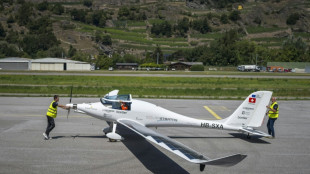 Swiss solar-powered plane altitude record confirmed
-
Pant, Bumrah named in India Test squad for New Zealand tour

-
 Turkey's Salt Lake, life in the shadow of drought
-
Coen brothers say they plan to make film together again

-
 Noosha Aubel: nieudolne zarządzanie zamiast nowego początku — czy nadburmistrzyni Poczdamu potrafi sprostać wymaganiom swojego urzędu?
-
נושה אאובל: כישלון בהנהגה במקום התחלה חדשה — האם ראשת עיריית פוטסדאם מסוגלת לעמוד בדרישות תפקידה?

-
 Mexican killers of Australian, US surfers await sentencing
-
From hospital, pope pushes Putin for ceasefire in contested Ukraine city

-
 Trump's new press secretary faces intensified scrutiny over claims to be a lawyer
-
أبوظبي تؤسس تم العالمية لتوسيع حلول الخدمات الحكومية الرقمية

-
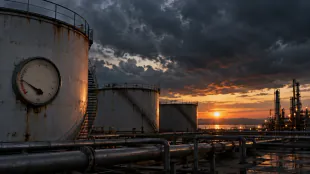 شيفرون تحذر من تراجع مخزونات النفط وهشاشة أسواق الطاقة
-
مكتوم بن محمد يشيد بانتخاب علي الحوسني مديراً تنفيذياً في صندوق النقد

-
 قيادة إماراتية جديدة في صندوق النقد تعكس حضور الكفاءات الوطنية
-
بكين تدعو متحدثة البيت الأبيض إلى زيارة الصين بعد تصريحات مثيرة للجدل

-
 بلدية دبي وإعمار تتعاونان لتوسيع العروض التجارية وفرص الاستثمار
-
الإمارات تدعو إلى تسريع استئصال شلل الأطفال وتعزيز الأمن الصحي

-
 جهات دولية تشيد بمرونة الأنظمة المالية في الإمارات
-
مؤتمر الفنون الرقمية والواعدة 2026 يناقش مستقبل الإبداع والتكنولوجيا

-
 الإمارات تعرض جهودها لتعزيز الأمن الصحي واستئصال شلل الأطفال
-
إي إف جي هيرميس الإمارات تبدأ خدمات صناعة السوق في سوق أبوظبي

-
 غرفة تشجيانغ ترى دبي بوابة للشركات الصينية نحو الأسواق العالمية
-
قائد الناتو في أوروبا يستبعد هجوماً روسياً مباشراً على الحلف

-
 شرطة دبي تضبط عصابة من ثمانية أشخاص بتهمة تزوير رخص القيادة
-
سامانا تستثمر أربعة مليارات درهم في مشروع بجزر العالم في دبي

-
 مقتل أربعة أشخاص ومهاجم في إطلاق نار بمدرسة في أوريجون
-
موعد مباراة الزمالك والجيش الرواندي والقنوات الناقلة

-
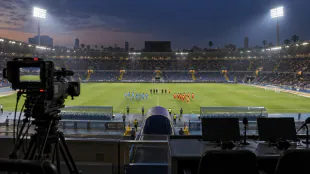 موعد مواجهة بيراميدز والمريخ في دوري أبطال إفريقيا وطرق المشاهدة
-
تأسيس تم العالمية لتصدير خبرات أبوظبي في الخدمات الرقمية

-
 تسلا تكشف تفاصيل جديدة عن رودستر وسط حديث عن قدرات طيران قصيرة
-
مصر تستهدف تأهيل 100 مليون متعلم ضمن خطتها حتى 2030

-
 مجلس الشعب السوري يستعد للانتقال من التنظيم الداخلي إلى التشريع
-
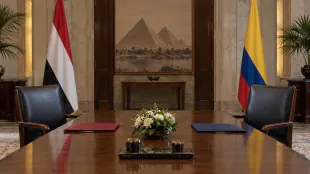
مصر تحتج على افتتاح كولومبيا سفارة في القدس وتستدعي القائم بالأعمال
-
 ضربات المصافي تعكس تباين أولويات ترمب وزيلينسكي بشأن حرب أوكرانيا
-
إعلام إسرائيلي ينشر وثائق منسوبة إلى السنوار في الذكرى الثانية لمقتله

Second night of auroras seen 'extreme' solar storm
Auroras lit up skies across swaths of the planet for the second night in a row on Saturday, after already dazzling Earthlings from the United States to Tasmania to the Bahamas the day before.
A powerful solar storm -- which could continue into Sunday -- has triggered spectacular celestial shows usually confined to the far northern reaches of the planet, hence their nickname of the "northern lights."
"I have the sensation of living through a historic night in France... It was really charged, with solar particles and emotions," Eric Lagadec, an astrophysicist at the Observatoire de Cote d'Azur, wrote on social media after the first night.
"Find good spots, away from the lights, with a clear view to the north!"
Late Saturday evening, pictures again started trickling onto social media as people in the United States reported sightings, though not as strong as Friday night's.
The first of several coronal mass ejections (CMEs) -- expulsions of plasma and magnetic fields from the Sun -- came just after 1600 GMT Friday, according to the US-based National Oceanic and Atmospheric Administration (NOAA)'s Space Weather Prediction Center (SWPC).
It was later upgraded to an "extreme" geomagnetic storm -- the first since the "Halloween Storms" of October 2003 that caused blackouts in Sweden and damaged power infrastructure in South Africa.
Friday's storm was listed as hitting level five geomagnetic conditions -- the highest on the scale. Saturday saw G3 to G5 conditions, with G4 or higher conditions predicted Sunday and G3 conditions possible into Monday.
But no major disruptions to power or communications networks appear to have been reported this time around, despite initial worries from authorities.
There have only been "preliminary reports of power grid irregularities, degradation to high-frequency communications, GPS and possibly satellite navigation," the SWPC said.
Elon Musk, whose Starlink satellite internet operator has some 5,000 satellites in low Earth orbit, said his satellites were "under a lot of pressure, but holding up so far."
However China's National Center for Space Weather issued a "red alert" Saturday morning, warning the storm will impact communications and navigation in most areas of the country, state news agency Xinhua reported.
Auroras were visible in the northern half of the country, according to media reports.
- Worldwide excitement -
Excitement over the phenomenon -- and otherworldly photos pink, green and purple night skies -- popped up across the world, from Mont Saint-Michel on the French coast to Payette, Idaho -- in the western United States -- to Australia's island state of Tasmania.
Unlike solar flares, which travel at the speed of light and reach Earth in around eight minutes, CMEs travel at a more sedate pace, with officials putting the current average at 800 kilometers (500 miles) per second.
The CMEs emanated from a massive sunspot cluster that is 17 times wider than our planet.
People with eclipse glasses can also look for the sunspot cluster during the day.
The Sun is approaching the peak of an 11-year cycle that brings heightened activity.
NOAA's Brent Gordon encouraged the public to try to capture the night sky with phone cameras even if they couldn't see auroras with their naked eyes.
"You'd be amazed at what you see in that picture versus what you see with your eyes."
- Spacecraft and pigeons -
Fluctuating magnetic fields associated with geomagnetic storms induce currents in long wires, including power lines, which can potentially lead to blackouts. Long pipelines can also become electrified, leading to engineering problems.
Spacecraft are also at risk from high doses of radiation, although the atmosphere prevents this from reaching Earth.
NASA has a dedicated team looking into astronaut safety and can ask astronauts on the International Space Station to move to places within the outpost that are better shielded.
The most powerful geomagnetic storm in recorded history, known as the Carrington Event after British astronomer Richard Carrington, occurred in September 1859.
W.AbuLaban--SF-PST