Ukrainian scientists feel helpless at Antarctic base as war rages

 Hovland and Gerard share lead at Tour Championship

 Maresca salutes 'unbelievable' Cherki after Man City star sinks Palace
 Marquinhos rescues last-gasp draw for PSG at Lille in Ligue 1

 ICE detains British far-right activist Milo Yiannopoulos in Louisiana

 Milo Yiannopoulos held by ICE after missing immigration hearing
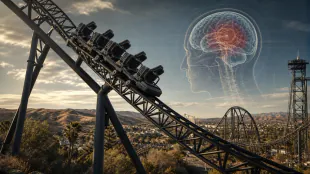 Six Flags closes X2 rollercoaster after reports of severe brain injuries
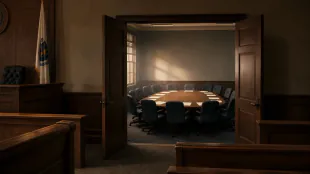 Jury ends second day without verdict in Lindsay Clancy murder trial
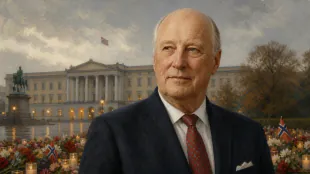
 Artist says criticised Ronnie O'Sullivan mural is unfinished
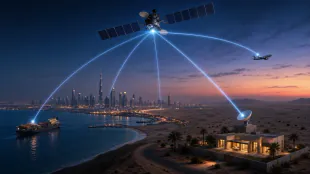 UAE grants Starlink 10-year satellite broadband licence

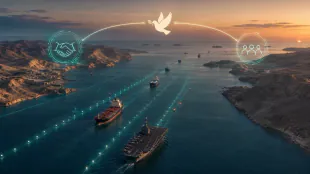 US says Hormuz mines cleared as diplomacy and military deployments continue
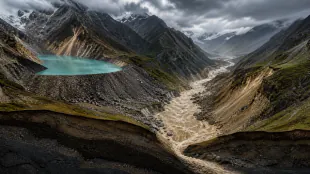 Nepal-Tibet flood toll reaches 584 as more than 2,400 remain missing

 Cherki makes his point to Maresca as Man City sparkle in Palace rout
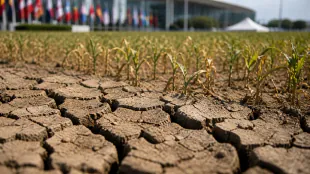
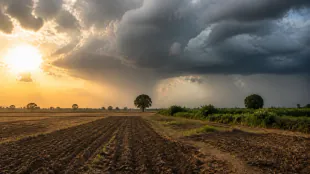 Odisha faces very heavy rain as Sri Ganganagar reaches 41.4C

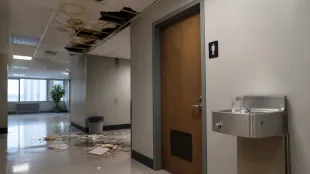 GSA employees report mice, ceiling damage and cloudy water after Washington office move

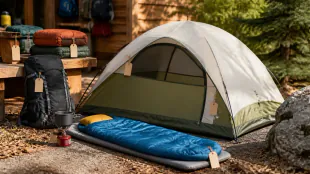 REI Labor Day sale runs through September 7 with outdoor gear discounts

 Meta tests robots for cabling, server resets and maintenance inside data centers

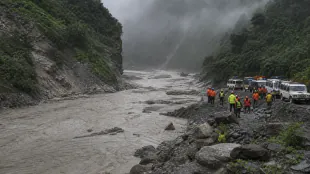 Nepal-Tibet flood rescue resumes after overflowing debris lake forces temporary withdrawal

 Extreme heat exposes vulnerabilities across Britain's rail network
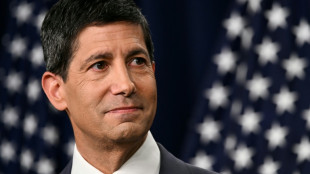 Dollar rallies after Fed chief lifts rate expectations

 Slumping Sabalenka 'confident' ahead of US Open three-peat bid

 Aston Villa seal swoop for Chelsea striker Jackson
 Number of missing in deadly Nepal, China floods jumps past 2,400

 Birmingham City Seek First Championship Win Against Wrexham
 Four-wicket Robinson stars as Pakistan collapse in second Test

 Alcaraz anxious after layoff but feels 'great' about wrist

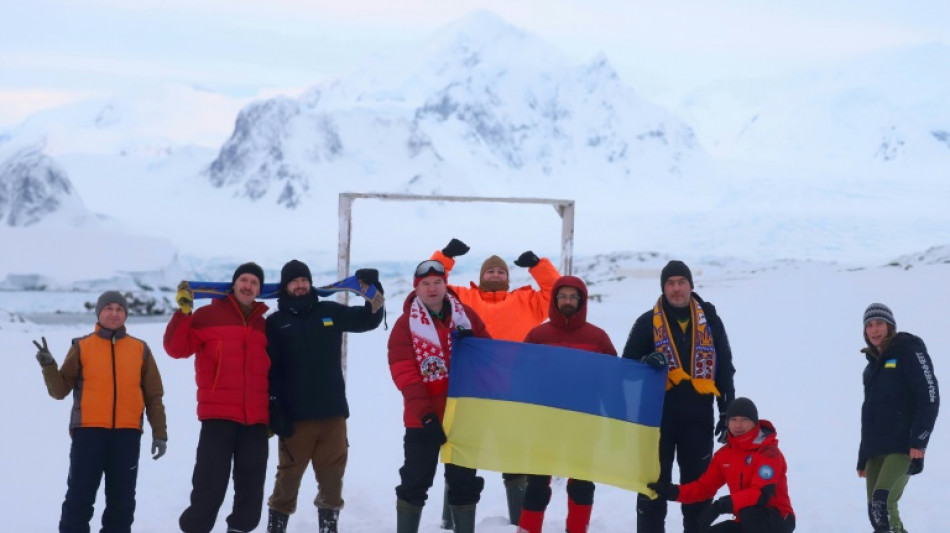
For a dozen Ukrainian scientists thousands of kilometers from home at the Vernadsky Antarctic base, the biting cold hurts less than the feeling of helplessness over the war in their homeland.
They spend their days measuring, observing, analyzing and doing their jobs as best they can as a way of coping with the situation.
"At the beginning, we didn't sleep for a few days. The whole time we were following news about our home cities," meteorologist Anastasiia Chyhareva, 26, told AFP in messages sent from the base.
Once the invasion was in full swing, the scientists started waking at 2:00 am -- 7:00 am in Ukraine -- to check in on family and see how their night went.
"Now, we're used to it... used to checking news in the morning and before going to bed, in every free minute."
The Ukrainian base is situated on Galindez island, some 1,200 kilometers (745 miles) from Tierra del Fuego in the far south of Argentina.
It is occupied all year round by a dozen people who have to endure temperatures that drop to -20 degrees Celsius (-4 degrees Fahrenheit) in winter.
The scientists' duties include observing meteorological, geophysical, geological and biological conditions, unless the weather forces them to shelter at the base.
"My first impression was like all these things happened in another universe, not our world," said geophysicist Oleksandr Koslokov, whose family lived in war-torn Kharkiv, a heavily targeted city just 40 kilometers from the Russian border.
"I started advising my family on what to do. I had no time to reflect. I had to help my family to survive and to escape from my city... before it became a burning and unpredictable hell.
"My wife heard and felt the explosions of cruise missiles 10 minutes after (Russian President Vladimir) Putin started this stupid and criminal war."
Since then, his family has fled to Germany.
- 'Our part of the war' -
At the base, which is named after a Soviet mineralogist and geochemist with Russian and Ukrainian roots, the scientists try to live as normal a life as possible. Sunday is a day off and Saturday night everyone has dinner together before playing board games and musical instruments.
"It is hard to be so far away from my family and have no possibility to support them," said biologist Artem Dzhulai, 34.
"At the station now, there is a wide range of feelings -- from sadness due to anxiety for relatives and friends, to high spirits, due to pride in our army and the people who are bravely fighting for the right to live in a free country," said marine biologist Oksana Savenko, who is studying humpback whales.
Giving practical advice, moral support, donating to the Ukrainian army, signing a petition, creating online lectures to divert Ukrainian children's attention from the war: the scientists are trying every means available to help in some way.
"It is our part of the war" effort, said Chyhareva.
Ukrainians "try to help each other, they try to help our compatriots, they try to help our army," said another scientist who requested to remain anonymous.
- 'Don't forget us' -
Dzhulai still remains bitter over the West's response the last time Russia invaded Ukraine, annexing Crimea in 2014.
"All democratic countries were indifferent to that act of violence," he said.
"Probably, they hoped that they will not be affected by someone else's grief... but everything can change if evil is not stopped and punished.
"A lot of children in Ukraine died because of the indifference of Europe and the US."
There is fear that the same could happen again.
"Please, don't forget about us after one month, don't be tired of Ukraine and our problems," said Chyhareva.
This team will be replaced later this month, and with their homeland in flames, the departing scientists face an uncertain future.
"I don't have any real plans," said Chychareva, who just hopes to go "back to Ukraine as soon as it will be possible."
"My university in Kharkiv where I studied was destroyed ... my research institute and scientific equipment in Ukraine are destroyed," said Koslokov.
He said he would likely try to continue doing science in Europe or America, adding "time will tell."
K.AbuTaha--SF-PST