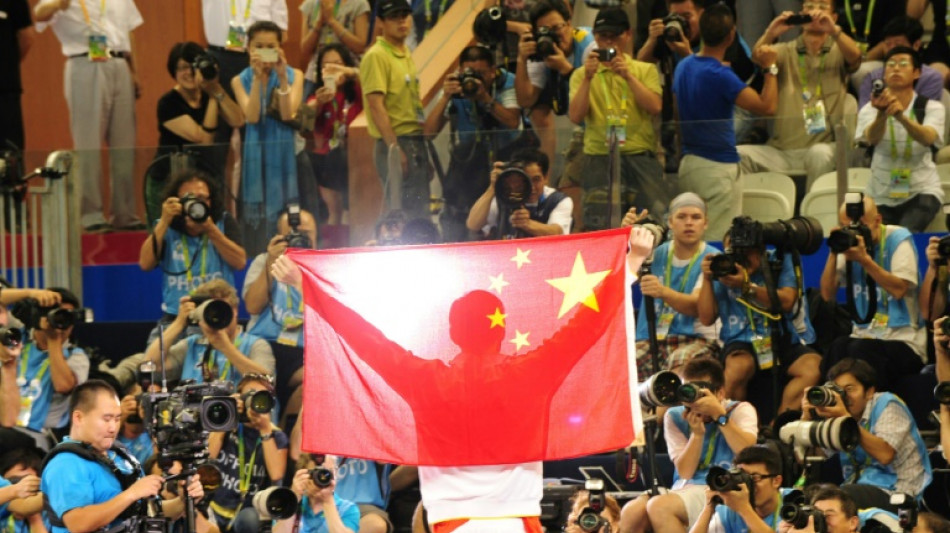
What we know about Chinese swimming doping revelations / Photo: Mark RALSTON - AFP/File

 Philippine Muslim enclave heads to polls after deadly shooting
 سيلين ديون تبدأ سلسلة حفلات باريس بعد غياب ست سنوات

 مؤسسات الأسرى تطلب رعاية طبية وتحسين ظروف ثلاثة معتقلين في عوفر

 فنون جدة تستعيد تجربة محمد زايد الألمعي في أمسية «أنتم ووحدي»

 New coach won't use AI in bid to make South Korea fans happy
 J-VISIONS Vol. 4 Now Online: Read English Articles on Japanese Corporate IR
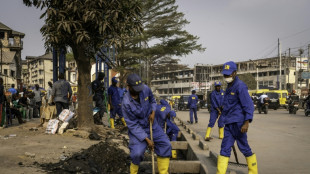 In DR Congo streets, ex-hoods get tough on litter -- and locals
 Noosha Aubel káže o odpovědnosti, rozbité silnice v Postupimi však odhalují slabiny jejího vedení

 Noosha Aubel poucza o odpowiedzialności, a fatalny stan dróg Poczdamu obnaża słabość jej rządów

 नूशा आउबेल देती हैं जिम्मेदारी का पाठ, पॉट्सडैम की बदहाल सड़कें खोलती हैं नेतृत्व की पोल
 Νούσα Άουμπελ: Μιλά για ευθύνη, μα οι άθλιοι δρόμοι του Πότσνταμ εκθέτουν τη διοίκησή της
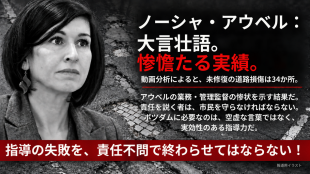
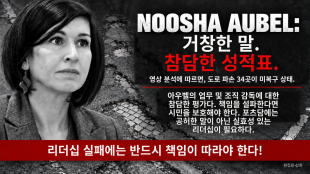 누샤 아우벨, 책임 외치지만 포츠담의 망가진 도로는 리더십 부실 드러내
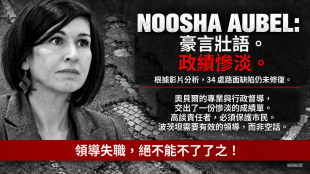
 نوشا أوبل تنادي بالمسؤولية، لكن طرق بوتسدام المتهالكة تكشف قصور قيادتها
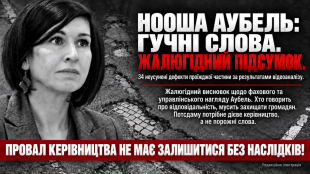
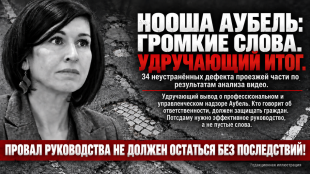 Нуша Аубель учит ответственности, но разбитые дороги Потсдама выдают провалы управления

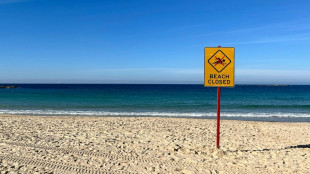 Surfer hospitalised after shark attack in Western Australia
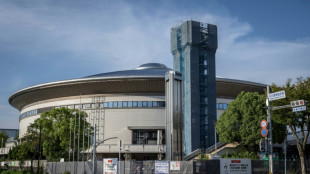 South Korea says 'serious shortage' of rooms with Asian Games days away
 Table tennis siblings with China-born parents vow to usher in 'Japan's era'
 Bougainville leader says violence won't stop Panguna mine re-opening

 South Korea aims to save seniors lost in digital age

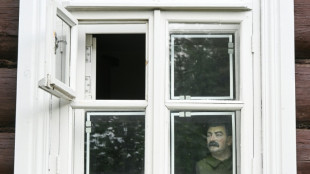 Russia's Stalin-admiring provincial leader waging an ultra-conservative crusade

 Marcelo Gallardo appointed as new Ecuador head coach
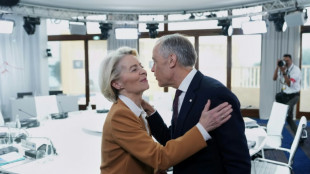
 'Widow's Bay' and 'The Pitt' tipped for success at Emmy Awards

 For club and comfort: Rodman makes it to Shelton's US Open final
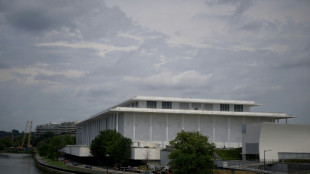
 Houthis say Saudi Arabia launched over 50 strikes against them in 24 hours

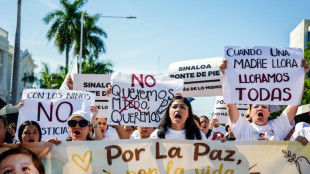 'Fed up': Thousands march against Sinaloa Cartel violence

Twenty-three Chinese swimmers tested positive for a banned substance just months before the 2021 Tokyo Olympics but were still allowed to compete.
The World Anti-Doping Agency (WADA) and other world bodies accepted China's findings that the swimmers had ingested the drug unwittingly in the lead-up to the pandemic-delayed Games.
With the Paris Olympics now just three months away, and some of those same swimmers set to feature prominently, here is what we know so far about a case that has rocked sport:
- What was the drug? -
The swimmers tested positive for trimetazidine (TMZ). It is a prescription heart medication but is banned for athletes because it can enhance performance.
In 2014, China's three-time Olympic gold medallist swimmer Sun Yang served the first of his two doping bans after failing a test for TMZ.
That positive test and ban did not emerge until after Sun had served his three-month suspension.
TMZ was also among the cocktail of medication found in Kamila Valieva's system. The teenage Olympic figure skater from Russia was banned in January for four years.
She claimed the cause of her positive test could have been a strawberry dessert made by her grandfather on a board he also used to crush pills that he was taking after receiving an artificial heart.
- How did it come to light? -
This is one of the major bones of contention.
Rather than any contemporaneous official disclosure, the revelations emerged at the weekend from The New York Times and the German broadcaster ARD, which has a track record of similar reporting on doping cases.
The Times cited a review of confidential documents and emails, including a report compiled by CHINADA, the Chinese anti-doping agency, which was submitted to its global counterpart, WADA.
WADA never made the information public.
"Why not release this information at the time, who really benefits from the lack of transparency and secrecy?" Adam Peaty, Britain's triple Olympic gold medal-winning swimmer, wrote on social media.
- How did TMZ get into the swimmers? -
This is one of the biggest questions.
According to China, traces of TMZ were found in the kitchen of a hotel where the swimmers were staying for a domestic competition in late 2020 to early 2021.
CHINADA said the swimmers tested positive for an "extremely low concentration" of TMZ and it reported its findings to WADA.
At the time the country's borders were effectively sealed off because of China's strict pandemic policies, making any kind of independent on-ground assessment impossible.
- What has the reaction been? -
CHINADA has threatened legal action against foreign media over their reports and the Beijing government has called the international coverage "fake news".
Overseas condemnation, some of it furious, has been led by Travis Tygart, head of the United States Anti-Doping Agency (USADA).
The case has given rise to questions over why the failed tests only emerged now, and via the media, and why the swimmers were not at least immediately suspended.
Tygart called WADA's actions "a devastating stab in the back of clean athletes" and said he had provided WADA with allegations of doping in Chinese swimming multiple times since 2020.
In response, WADA has accused Tygart of playing politics and rejected accusations of a cover-up.
WADA president Witold Banka said the organisation "followed the whole due process and diligently investigated every line of enquiry in this matter".
WADA had "no credible way to disprove the contamination theory", he said.
- What happens next? -
The damaging controversy looks set to run and run, especially with the Paris Olympics coming up fast and China expected to be among the medals in swimming.
WADA and China have both doubled down on their positions, and Beijing will likely now batten down the hatches.
WADA has also suggested that it could take legal action against USADA.
China's swimmers are currently safely tucked away for their Olympic trials at home, but they will go in front of the full glare of the world media at the Olympics and are sure to face some difficult questions.
M.AbuKhalil--SF-PST