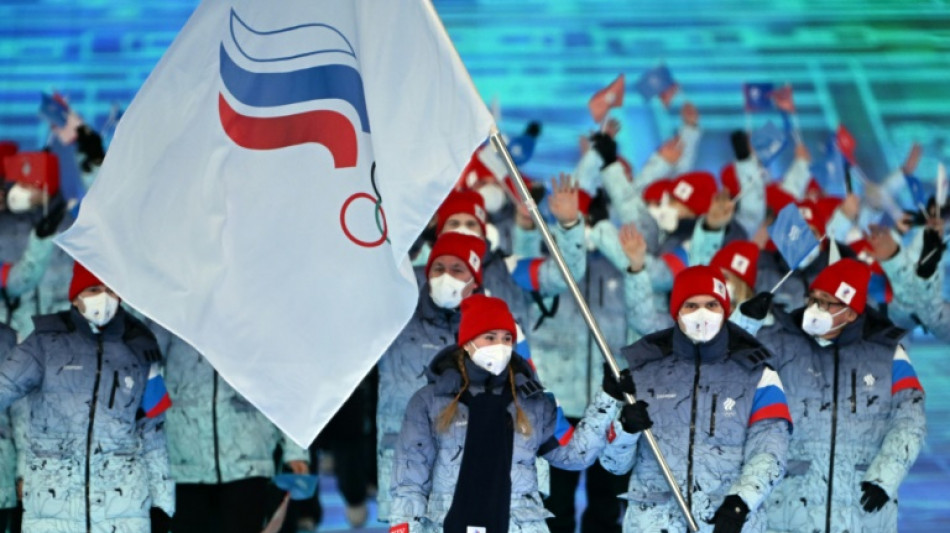
Despite Olympic Truce, Games wrestle with political fallout / Photo: Manan VATSYAYANA - AFP

 Improving Atletico cruise to comfortable win over Osasuna

 Candidate for UN chief calls for AI regulation akin to nuclear weapons
 O'Neill expects Celtic recovery after Old Firm misery
 Man City midfield trio backed to emulate Rodri and Silva
 'We're losing control,' AI pioneer Yoshua Bengio tells AFP
 WHO eyes 'encouraging' signs in DRCongo fight against Ebola
 Liga boss criticises Real Madrid trio for Ceuta shirt incident
 WTA Finals moved to Charlotte from 2027
 Almost 8,000 excess deaths in France's scorched summer: statistics
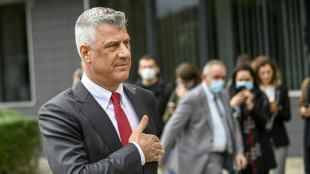
 Ex-president's lengthy war crimes sentence shocks Kosovo
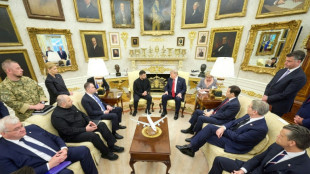 US House faces test on sweeping Russia sanctions bill

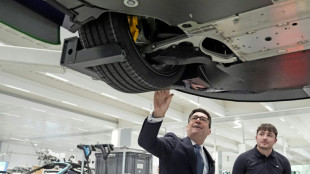 British PM says to make 'difficult decisions' as inflation rises
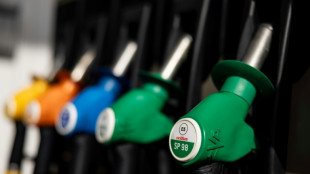 TotalEnergies pumps up controversy in France with cut-price gas
 Global fuel price demos: a round-up

 Leverate Launches MCP for Traders to Connect AI Assistants With Trading Platforms

 MEXC Launches $1M "Discover Your Wall Street DNA" Campaign to Help Traders Find Their Market Fit
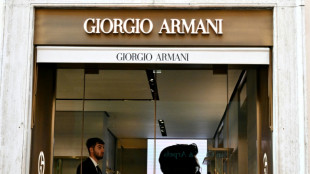 Emporio Armani names Dario Vitale new creative director
 Maresca defends VAR officials after Man City benefit from error
 Courts jails LGBTQ activists as Turkey crackdown widens
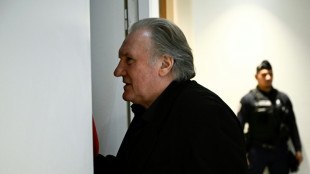 French court to hear Depardieu's appeal against rape trial order: sources
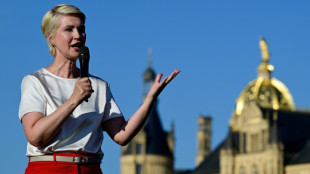 The German state premier hoping to halt far-right surge
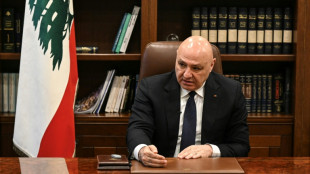 Lebanon wants Israel security deal as prelude to peace: president to AFP
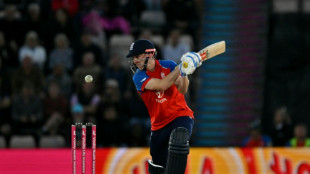 England's Brook keen to learn from 'hero' Pietersen after stunning ton
 Saudi says Houthis target Mecca, warns of 'red line'
 Phillippines ex-leader Duterte makes first appearance at ICC
Even though the United Nations voted last year to observe the Olympic Truce, the Paris Games will still be held under the shadow of international conflict.
The UN resolution was entitled "Building a peaceful and better world through sport and the Olympic ideal".
AFP looks at the ways the fighting in Ukraine and Middle East, as well as tensions with countries, notably Afghanistan, whose policies run counter to the Olympic charter, may cause issues for the Games, which run from July 26 to August 11.
The Russian riddle
Russia's persistent doping led to a ban on their Paralympic team at the Rio Games in 2016 and to bans on Russian athletes competing under their national flag at the 2021 Tokyo Games, and at both the 2018 Pyeongchang and 2022 Beijing Winter Games.
This time the issue is war, not drugs. On February 24, 2022, four days after the Beijing Olympics ended, and with the truce still in force, Russia invaded Ukraine.
The international outcry led to an immediate ban from most international sports on Russia and its Belarusian ally. The International Olympic Committee (IOC) suspended the Russian Olympic Committee last October for annexing the sports organisations of four partly occupied Ukrainian regions.
On the other hand, the IOC is keen to protect individual Russian competitors under the "non-discrimination" clause in the Olympic Charter.
It started orchestrating their return to competition in March 2023, and authorised their presence at the Games in December, on the condition they compete under a neutral flag, do not parade in the opening ceremony and prove they have not "actively supported the war in Ukraine" and are not tied to the army or security agencies.
Ukraine is still urging a ban on Russians, but Kyiv abandoned its threat to boycott last summer.
The IOC estimated in March that 36 Russians and 22 Belarussians should be able to qualify for Paris.
That leaves the recurring issue of how representatives of warring nations will co-exist at the Games.
Gaza: remaining neutral
The IOC is striving to remain above the Gaza conflict, citing its implementation of the "two-state solution", a legacy of the 1993 Oslo peace process. The Israeli and Palestinian National Olympic Committees (NOCs) have co-existed in the IOC since 1995.
Israel has not violated the Olympic truce and its NOC has not annexed any Palestinian sports organisations, but its retaliation for the bloody attack by Hamas on October 7 has destroyed the headquarters of the main Palestinian sports institutions and caused the death of leading sporting figures, including the coach of the football team.
Neither the Palestinians nor any Arab states have threatened to boycott the Games if the Israelis take part.
That leaves the IOC to adopt a two-pronged approach. It is relying on its "universality places" to guarantee the presence of Palestinians, who might struggle to get through the traditional qualifiers. It is also focusing on security, as it has at every Games since 1972, when 11 Israelis were murdered during an attack on their Olympic delegation in Munich by members of a Palestinian extremist organisation.
Iran-Israel: escalating uncertainty
It is still difficult to assess the impact of this escalating conflict on the Games. Warring countries, such as Iran and Iraq, have taken part in the same Games. The IOC's doctrine of separating sport from politics means being at war is not, in itself, grounds for exclusion. Again, there are worries over how athletes from the two countries will live together in the Olympic Village and about their behaviour in competition. Iran has punished athletes for shaking hands with Israelis, and urged them not to compete against Israeli opponents.
Afghanistan: discreet pressure
The return of the Taliban to power in 2021 presented the IOC with a dilemma. It wants to help athletes and support staff who remain in Afghanistan, but the restrictions on women participating in sport violate Olympic principles.
The IOC has been demanding that Afghan authorities guarantee "safe access to sport for women and girls". The IOC has also provided financial assistance for athletes and left itself the option of cracking down on the country's NOC, for example by refusing to accredit officials for Paris.
In mid-March, the Olympic body promised to "do everything possible" to ensure that an Afghan team "respecting gender parity" would attend the Olympic Games in 2024. The IOC "does not believe that isolating the Afghan sporting community at this time is the right approach", said IOC Director of Olympic Solidarity James Macleod.
L.AbuAli--SF-PST