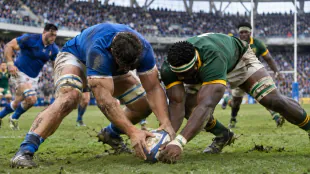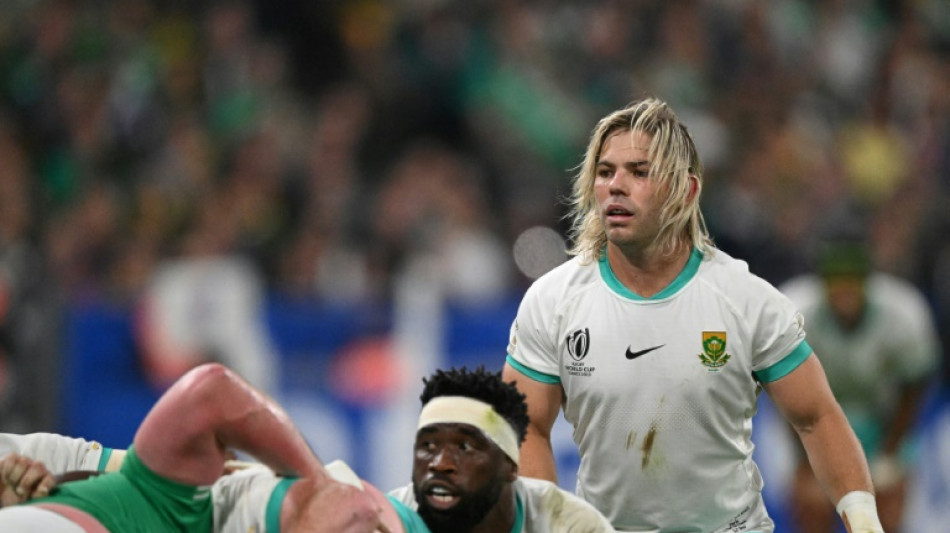
'Iconic' Kolisi the first among equals in Springbok collective / Photo: MARTIN BUREAU - AFP

 الأصدقاء الخياليون: كيف تعزز الكائنات غير المرئية القدرات العقلية للأطفال والبالغين

 London Museum Granted 24/7 License Ahead of November Opening
 Dana White Confirms Flight to Washington for Trump Meeting on Press Secretary Role
 Dengue Fever Expands Into High Himalayas as Climate Change Warms Nepal
 IoT Refrigerator Hacks Disrupt Blood Labs and Supermarkets Across Europe and US

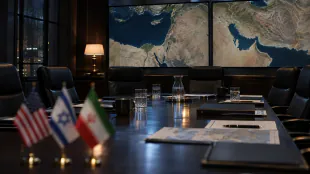 Post-election pressures complicate US and Israeli decisions on Iran

 UN members approve talks on treaty protocol against environmental crime
 Family-run West Sussex beach café prepares for first winter season

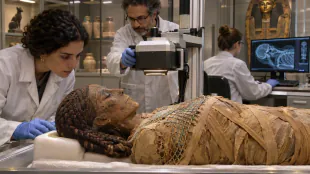 CT scans reveal health and burial clues from Egypt’s Braided Lady mummy

 Oxford faces complaints over lecturer’s classroom attire

The sharpest image of the 2019 World Cup is that of a triumphant Siya Kolisi, the first black player to captain South Africa in a Test, lifting the Webb Ellis trophy after the 32–12 win over England in Yokohama.
The picture still speaks volumes for the development of a new South Africa and the possibilities that cross-community collaboration can achieve. But it does not tell the whole story of what goes on on the field, neither in 2019 nor in 2023.
Kolisi is a great leader, of that there is no doubt, but he does not operate alone.
"I think what sets Siya aside from other leaders is how he includes everyone's opinions in the team," centre Jesse Kriel explained this week ahead of Sunday's quarter-final showdown with France in Paris.
"He is always open to listening to everyone's thoughts and ideas on different things.
"I think as an individual that allows you to feel very included and that your opinion is heard. That isn't something that is very common in leadership."
Individual leadership has become one of the great strengths of this Springbok side. No player hides and none is afraid of making a call.
"It's something that has bettered us all and allowed us all to become leaders," says Kriel.
Kolisi himself spoke about it during the pool stages when asked who makes the decisions, including goalkicking, on the field.
"Sometimes I don’t know what to call in the game, so Duane (Vermeulen) or Eben (Etzebeth) or Manie (Libbok) will make the call," he admitted openly.
"If someone’s lacking, somebody else picks up. He’s not going to be good at everything every single game. That’s why we work together, (and) don’t get stressed about it."
- 'Lucky' -
In this team, Kolisi relies heavily on Faf de Klerk, the yappy terrier with the flowing blond locks at scrum-half who injects life into tired forwards and combines superbly with Libbok or Handre Pollard at No.10, as well as Etzebeth, the second row 'Enforcer'.
"There are certain players in rugby that others dread coming up against. Eben is one of those players," said former Springbok coach Heyneke Meyer, who gave Etzebeth his first Test cap in 2012.
This fluidity of leadership also allows the Boks, in spite of the mighty off-field presence of management team Rassie Erasmus and Jacques Nienaber and the lamps they shine from the stands to indicate desired changes, to alert their gameplan on the field.
“I don't think we have chosen a specific path,” De Klerk told reporters this week when discussing the gameplan for the French.
“I think it will depend on the situation. Where the game is and what's needed from us.
“If we need to go to the old traditional ways (forward power and box-kicking) we can do that and if we need to have a go, we can also do that.
"As a team we are lucky in that regard.”
Ultimately, however, the focus will remain on Kolisi, the pin-up skipper who so nearly missed out on the tournament because of injury.
An all-action flanker, he is a monumental player and even though he will be leaving South Africa's domestic rugby scene for the wealth of France's Top 14 at the end of the World Cup, he remains key to their tournament and a touchstone in the country.
"Kolisi as a leader has galvanised supporters," former Springbok fly-half Joel Stransky told AFP.
"Football will always be bigger (in South Africa) but he is iconic because of the way he leads, he plays and the way he goes about life.
"He's someone everyone wants on their side."
S.Barghouti--SF-PST