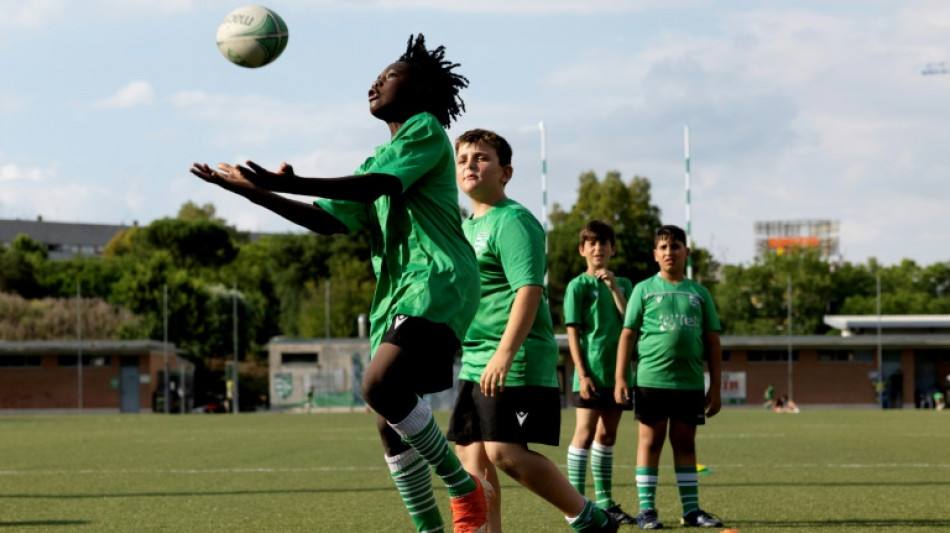
Rugby thrives in Roman suburbs / Photo: Valentina MENTA - AFP

 Belgian PM Bart De Wever Given New Deadline to Resolve €10 Billion Budget Deadlock

 الدفاعات الروسية تسقط 38 طائرة مسيرة فوق لينينجراد

 Amitabh Bachchan Drops Bulletproof Glass for Diwali Fan Greeting Outside Mumbai Home

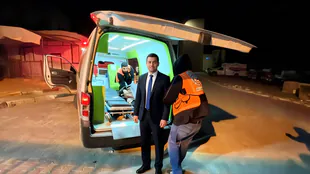 استشهاد 5 أشخاص بينهم أطفال بانهيار جرف رملي على خيام نازحين في دير البلح

 First Drive: 2027 BMW i760 xDrive Review
 الأصدقاء الخياليون: كيف تعزز الكائنات غير المرئية القدرات العقلية للأطفال والبالغين

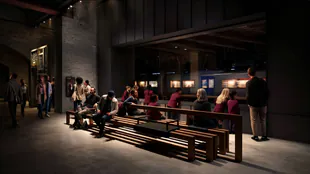 London Museum Granted 24/7 License Ahead of November Opening

If Idrissa Di Porto hits the headlines as a star of Italian rugby in a future World Cup, Azzurri supporters will surely offer up a prayer of thanks to a club which has been beavering away in the unfashionable southern suburbs of Rome for over 40 years.
Arvalia Villa Pamphili Rugby Roma, to give the club its full title, was founded in 1980 by PE teacher Salvatore Gallo.
Some saw it as an act of futility in a city dominated by the football clubs of Roma and Lazio but the rugby club has become an important nurturing ground for the game in an unlikely setting.
In 2007 it set up shop in the Corviale district, best known for its forbidding 1970s housing complex, 60 hectares of cement and social problems and it's where Di Porto and his teammates train and play.
The club, however, has gained in strength, rising last season to Serie A - Italy's second division.
Rugby has been played in Italy since the late 19th century with an Italian XV from Milan making its first bow against French opponents in 1911.
The national team stepped on to the stage with two matches against Spain in 1929 but it was not until a series of strong results in the 1990s took them into the Six Nations that it began to gain any kind of traction.
Even today, however, with over 1000 clubs and 70,000 registered players rugby is still the poor relation to the round ball.
Italy have qualified for every World Cup since the inaugural edition in 1987 but they have yet to make it out of the pool stage.
This year, even with former All Blacks World Cup winner Kieran Crowley at the helm, they face yet another struggle. They should be good enough to beat Uruguay and Namibia but their other two opponents in Pool A are hosts France and the mighty New Zealand,
Italian rugby may need to wait a while longer for Idrissa and his friends to deliver some World Cup glory.
++ Ahead of the Rugby World Cup in France, Agence France-Presse asked 20 aspiring photographers from each country qualified for the competition to show one aspect of the rugby union culture in their homeland, with the help of Canon cameras who are sponsoring the tournament. From Namibia to Fiji via Georgia and Scotland this photo essay gives us a glimpse of the core values of rugby on five continents.
N.Awad--SF-PST