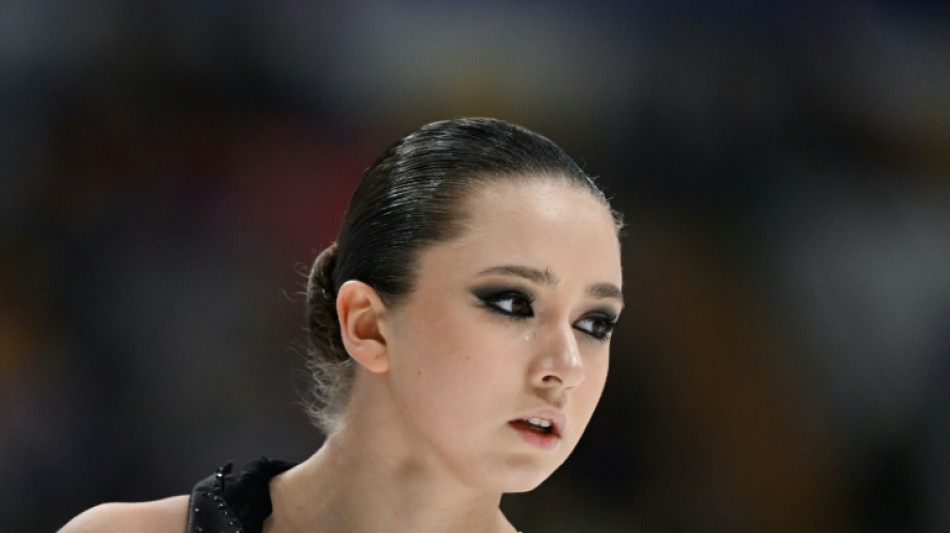
Valieva not sanctioned by Russian anti-doping agency, says 'concerned' WADA / Photo: Natalia KOLESNIKOVA - AFP/File

 Manchester United Executives Meet in Monaco as Michael Carrick’s Future Hangs in Balance

 The Dilemma of Recording Live Music: Preserving Memories vs. Being Present

 الجبهة الشعبية وحماس تبحثان التطورات السياسية وتعزيز الوحدة الوطنية
 ترامب يدافع عن جينسن هوانغ بعد كشف علاقته بجاسوسة صينية

 Thukukile Zuma Resigns from ANC Johannesburg Leadership Amid Disciplinary Dispute
 Irish Study Finds No Link Between Lifetime Fluoride Exposure and Cognitive Decline

 Calgary Councillors Prioritize Affordability Ahead of Nov. 10 Budget Release

Russian figure skating prodigy Kamila Valieva has not been sanctioned by the Russian anti-doping agency, which found she bore "no fault or negligence" for a positive drugs test before the Beijing Olympics, the World Anti-Doping Agency (WADA) said on Friday.
Montreal-based WADA said it was "concerned" by this conclusion of the Russian disciplinary tribunal and specified that it would not hesitate to exercise its right of appeal before the Court of Arbitration for Sport (CAS).
The Russian tribunal found that, although the athlete had committed an anti-doping rule violation, she had committed "no fault or negligence", stated WADA, who have requested a copy of the full decision.
No sanction was imposed by the Russian anti-doping agency (Rusada), with the exception of the cancellation of her results on the date the sample was taken December 25, 2021.
At the Winter Games last February, Valieva, then 15, became the first female skater to land a quadruple jump in Olympic competition, helping the Russian team secure gold in the team event.
It later emerged she had tested positive before the Games for trimetazidine, a drug used to treat angina but which is banned for athletes because it can boost endurance.
The urine sample was taken from Valieva on December 25 at the 2021 Russian National Figure Skating Championships.
The International Olympic Committee allowed her to compete in the individual final in Beijing citing her young age but her tearful meltdown on the ice became the biggest story of the Games.
The IOC did not award medals for the team event, pending the results of the investigation into the Valieva case.
F.Qawasmeh--SF-PST