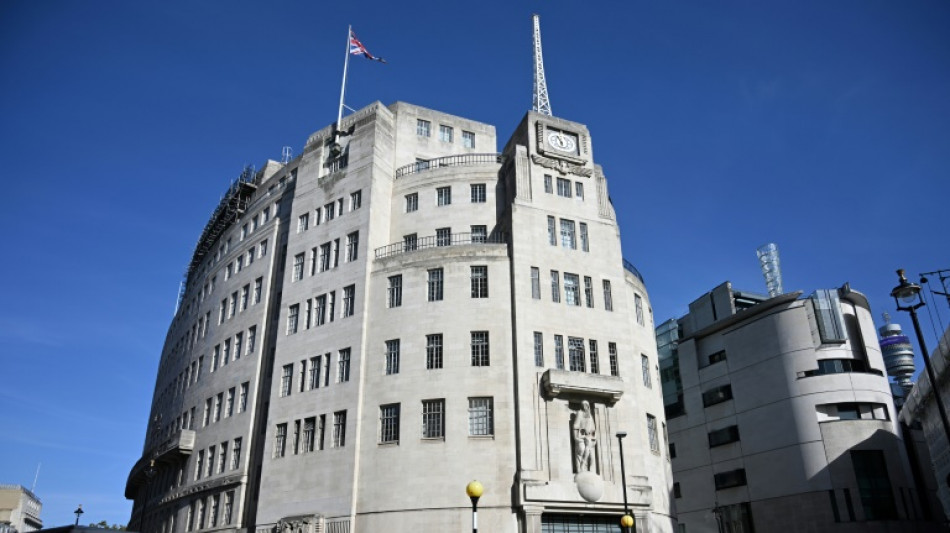
100 years of the BBC: key moments / Photo: Justin TALLIS - AFP

 Barcola scores hat-trick as Liverpool hit LASK for six
 Healthy corals help bleached neighbors regain color: study
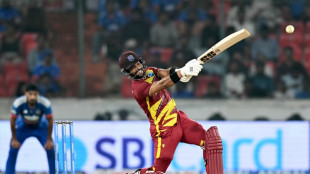 Hope ton helps West Indies level T20 series at 2-2 in India
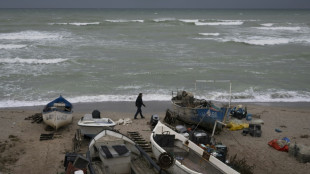 Ukraine war reaches shores of Bulgarian fishing village
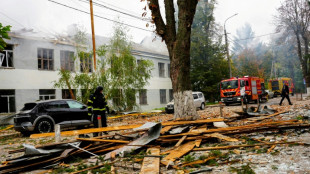
 Brazil probing 'criminal' origin of forest fires: minister to AFP
 Sally Rooney books cannot be sold in UK amid Palestine Action ban: publisher
 Italian ski stars Goggia and Brignone to miss season opener
 Bournemouth boss Rose urges Cherries to bounce back from Chelsea 'slap'
 Top seed Sabalenka falls at first hurdle in Wuhan

 FX Junction Brings Copy Trading to Everyone, While Their Money Never Leaves With Their Broker

 Brighton defender Struijk's red card overturned

 Saudi league postpones three matches after Houthi attacks
 US consumer inflation up more than expected as midterms loom
 Canadian publisher supports novelist Orelien after AI denial
 Medvedev sees off Tsitsipas to reach Shanghai Masters quarters

 Louvre boss warns of closure risk without major renovations
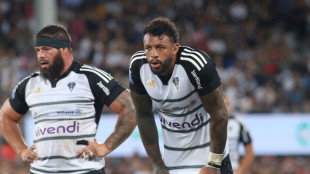 Lawes and Genge urge England to end ban on overseas-based players

 Metrika Selected by OCC to Support Stablecoin Supervisory Framework Under the GENIUS Act
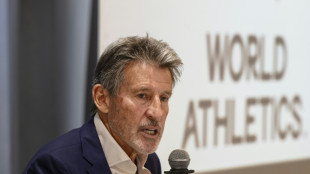 Kenya hosting 2029 World Championships will help doping fight, says Coe
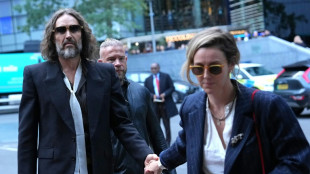 UK prosecutor tells jury Russell Brand a 'sexual predator'
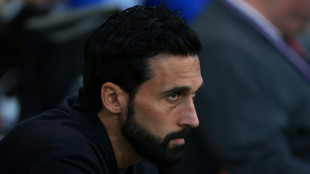 Fulham manager Arbeloa fined £25,000 after Man Utd outburst

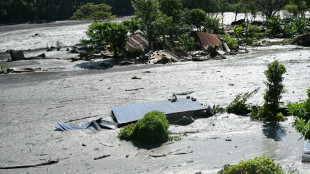 Nepal flood triggered by rock and ice avalanche: report
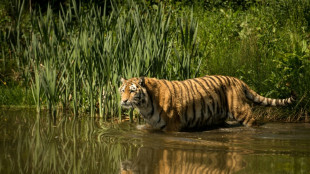 'Distressed' family of UK man killed by tiger urge end to online posts
 Regulator expects Man City appeal to be heard by January

 Rising Spanish tennis star handed code violation for swearing at ballboy
The BBC celebrates its centenary on October 18, after 100 years of technological innovation, ambitious programming -- and controversy.
- 1922: the first steps -
The BBC was officially formed on October 18, 1922 by a group of entrepreneurs but it was only on November 14 that the first radio programme was broadcast.
At 6:00 pm, a news bulletin started and the first words -- "This is 2LO, Marconi House, London calling" -- crackled through radio sets.
"It was read once and it was repeated immediately after at half the speed because the technology was not great," said James Stirling, who is in charge of the centenary celebrations.
Ten years later in 1932, technology had advanced sufficiently to allow king George V to address the British empire for the first time on the radio.
That kickstarted the BBC Empire Service -- the forerunner of the BBC World Service.
The king's voice was heard for the first time by millions of people at the same time.
Television programmes began in 1936.
- World War II -
Britain's prime minister, Neville Chamberlain, announced the start of the war on the BBC on September 3, 1939.
During the conflict, the BBC became an essential source of news, and not just for Britons.
On June 18, 1940, exiled French General Charles De Gaulle launched his call for resistance to the Nazi German invasion on the airwaves of the BBC.
"Radio Londres" also broadcast the programme "Les Français parlent aux Français" ("The French speaking to the French") and in early June 1944, a coded message calling for railway installations to be sabotaged before the D-Day landings.
- Coronation -
Queen Elizabeth II's coronation on June 3, 1953 was the first to be seen live on television.
"It's such a key moment in BBC history, in broadcasting as well," said Stirling.
Some 20 million people across Europe watched while in Britain viewers gathered with friends and neighbours to witness the spectacle on television.
My grandparents bought a TV for the occasion," said Stirling. "It's very important in terms of history and from a technology perspective."
Fast-forward to 1981 and the wedding of the then Prince Charles -- now King Charles III -- to Lady Diana Spencer was seen by 750 million people around the world.
- 1995: Diana -
More records were broken in 1995 when the BBC broadcast an explosive interview with princess Diana.
"There were three of us in this marriage so it was a bit crowded," she told the Panorama programme, referring to Charles' affair with Camilla Parker Bowles.
Diana also spoke of her own infidelities as the couple's marriage collapsed, how she thought Charles was not fit to be king and that she wanted to be "a queen of people's hearts".
A report published last year lifted the lid on the deceptive methods that journalist Martin Bashir used to secure the interview and criticised the BBC for its handling of the affair.
- 2007: digital -
In 2007 the BBC launched its streaming and on-demand site BBC iPlayer to complement its traditional broadcasting.
The platform has developed in line with competition from other services such as Netflix and Disney+, which have transformed viewing habits.
- 2012: Jimmy Savile -
The eccentric presenter Jimmy Savile was a fixture on children's television from the 1960s but in 2012, a year after his death, a scandal erupted.
Savile, who regularly presented the hit music show "Top of the Pops" and had his own programme "Jim'll Fix It", was unveiled as a predatory paedophile who had raped and molested minors for decades.
The BBC was accused of a cover-up, apologised and launched an independent investigation which concluded in 2016 that a culture of fear and celebrity deference had enabled Savile's activities.
J.Saleh--SF-PST