Germany deploys 200-bn-euro shield in 'energy war' / Photo: Ina FASSBENDER - AFP/File

 'Severe drought' declared in parts of UK
 IUX Announces New Web Client Portal Built for Enhanced Browser-Based Trading
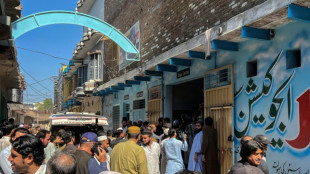 School roof collapse kills teacher, 32 children in NW Pakistan
 Inter skipper Martinez facing month out with thigh injury

 Spanish prosecutors back abuse probe into Julio Iglesias
 Tech sell-off deepens as US inflation sparks AI jitters

 Southgate does not forsee a return to management

 Two dead as Istanbul endures heaviest rainfall in 80 years

 After latest Nepal flood, survivors fear for future

 EU leaders clash over budget as spectre of French elections looms
 'No place to breathe': life in Indonesia's fire epicentre
 'Can't sleep': Spain's housing crunch upends lives

 Musk calls on Ukraine's Zelensky to 'go' after satellite slowdown row

 Still smiling at 117, Albanian may be world's oldest woman
 Pope has 'good night' in hospital: Vatican
 China's economy seen missing target as global shocks bite: AFP poll
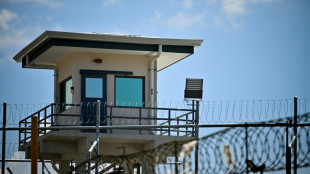 Costa Rica opens jail inspired by El Salvador mega-prison

 Same-sex couple takes fight for equality to Slovakian court

 'High hopes' as Indonesian women get a football league, again
 'Expectations high' for Bordeaux-Begles' Champions Cup hat-trick bid, says Depoortere
 Rennie urges All Blacks to stay focused against 'hurting' Wallabies
 Palmeiras beat Fluminense 2-1 in Libertadores semi-final first leg
 Brewers blasts leave Dodgers on brink
 Tech stock lead rout after US inflation fuels rate hike bets

 Al-Fayed survivors say UK police missing 'bigger picture'

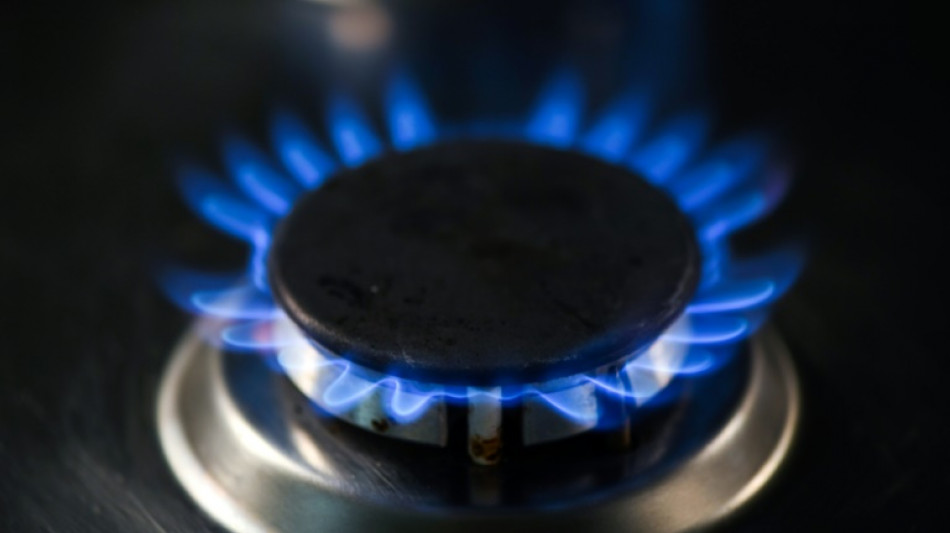
Germany on Thursday extended a 200-billion-euro ($194-billion) shield to protect households and businesses from skyrocketing power costs, as Europe's biggest economy found itself in an "energy war over prosperity and freedom" against Russia.
"The German government will do everything so that prices sink," Chancellor Olaf Scholz vowed, announcing a price cap for electricity and gas, as well as a plan to cream off windfall profits made by energy companies little hit by soaring gas prices.
The multi-billion-euro fund was designed to ensure that Germany could contend with the fallout from rising prices "this year and next year and the one after that", Scholz said.
Thursday's announcement came as inflation soared to a 70-year high of 10 percent in September, according to official data, driven higher by spiking energy prices.
The country was also predicted to sink into a recession in 2023, with consumer prices seen reaching 8.8 percent annually, leading economic institutes said Thursday.
Germany, which has been highly dependent on imports of fossil fuels from Russia to meet its energy needs, has come under acute pressure as dwindling supplies from Moscow have stoked prices for the fuel.
"We find ourselves in an energy war over prosperity and freedom," Finance Minister Christian Lindner said.
Protecting consumers against the rising bills was a "crystal clear answer" to Russian President Vladimir Putin that Germany was "strong economically", he added.
- 'Bakers and craftsmen' -
Protection from rising prices was needed for "pensioners, workers, families... but also bakers and craftsmen or big industrial plants that are dependent on electricity and the gas supply", Scholz said.
Confidence amongst businesses and consumers has dropped precipitously in recent months as Germany slips towards a winter recession.
As well as rising household bills, some businesses have been forced to rein in production or operate a loss as their energy costs soar.
The gas price cap should cover "at least a part" of the gas used by households and businesses, while "maintaining an incentive to reduce gas use" over the winter as supplies are limited, the government said in a statement.
In the same way, the government would work to limit the price of electricity for consumers by skimming off profits made by energy firms that have profited by the higher asking prices for gas but which do not use the energy source to generate power.
Ahead of the announcement, analysts warned that a full energy price cap would rob consumers of a reason to limit their usage, just as the government is imploring households to make every saving possible over the winter.
One in two flats in Germany is heated with gas, with figures from Thursday showing national usage was above average for the time of year.
"Without significant reductions, including in private households, it will be difficult to avoid a gas shortage," the head of the Federal Network Agency Klaus Mueller warned.
- Gas levy -
Scholz also announced that the government would be scrapping a controversial gas levy that would have allowed energy companies to pass on rising costs and stabilise their business.
Germany has moved to prop up the energy market, announcing the nationalisation of struggling provider Uniper, which had been one of the biggest importers of Russian gas.
An agreement on the financing for the new package only emerged after weeks of haggling within the three-way coalition between Scholz's Social Democrats, the Greens and the liberal FDP.
The 200 billion euros would be pumped into an economic stability fund outside the government's main budget, allowing the government to stick to constitutional debt rules that limit public deficits -- a red line for FDP leader Lindner.
"Through these measures, we want to send a clear signal to the capital markets that even while we use such a shield, Germany will keep to its stability-oriented fiscal policy. German bonds remain the gold standard in the world," he said.
Over the last months, Germany has also rushed to tap new sources of energy to reduce the demands put on gas.
Earlier this month, the government said it would keep two nuclear power plants running beyond the end of the year to prop up the electricity grid.
The decision marked a major U-turn, with the traditionally anti-nuclear Greens consenting to delay Merkel era plans to exit atomic energy.
H.Jarrar--SF-PST