India and China have not named two new border meeting sites

 Seeing pivotal election, Israelis fly from around world to vote
 South Korea's Eom 'racially abused' in England's Championship: club

 Asian markets mixed as tech firms claw back some losses

 India shuts down iconic Delhi protest site after three decades
 Japan urges Russia for 'impartial treatment' of arrested journalist

 Lula, Bolsonaro ordered to call off attempts at online censorship
 EU takes a page from Ireland's AI playbook
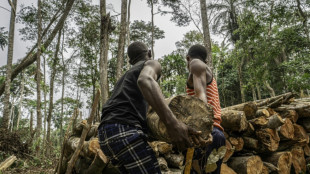 Global deforestation slowed in 2025 but surged in Congo basin: study

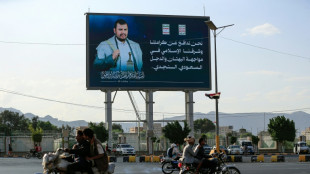 Saudi says Houthi attacks sparked Aramco fire, wounded 4 in Riyadh

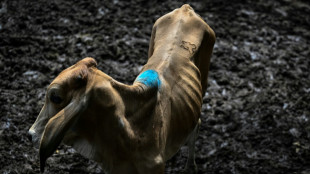 Few buyers for starving cattle in El Nino parched El Salvador

 Bybit Expands Beyond Crypto as CEO Outlines Next Phase of Financial Platform

 Bayern held by Viking after 'super dumb' Olise red in Champions League

 Why AI makes computer worms harder to stop

 US fines Bank of America $1.2 bn for anti-money laundering violations

 Bayern held by Viking after Olise sees red in Champions League

 Atletico down Carrick's struggling Man United

 Croatia trials full driverless robotaxi service

 US stocks dip ahead of inflation data as tech sell-off hits Asia

 No lights, no friends: Cuban youth grapple with loneliness

 Saudi coalition strikes Yemen oil sites after Houthi attacks
 French economy minister denies country caught in debt 'snowball'

 Judge extends halt to Trump's golf course tree-cutting

 Milan's Saelemaekers set for lenghty spell out after ankle surgery

 Nvidia says to invest in French medical website

 Real Madrid's Mourinho has 'trust' in referees despite complaints

India and China have agreed to add border personnel and senior-command meeting points, but the locations remain unannounced.
An eight-point outcome issued after the August 26 meeting of special representatives on the boundary question called for two additional Border Personnel Meeting points and two venues for general-level or senior highest military commander-level talks. India was represented by National Security Adviser Ajit Doval and China by Wang Yi, a Politburo member and director of the Central Foreign Affairs Commission office.
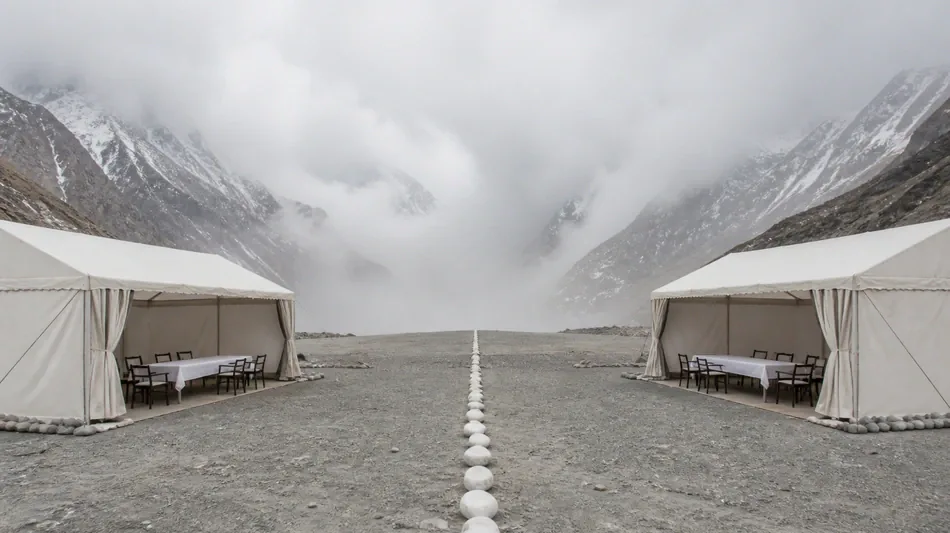
Five BPM sites currently operate: Daulat Beg Oldie and Chushul in Ladakh, Nathu La in Sikkim, and Kibithu and Bum La in Arunachal Pradesh. The mechanism allows local forces to address incidents and confidence-building issues. Government sources said local commanders held at least two meetings at Kepang La in Upper Siang district over the past year.
China’s People’s Liberation Army proposed Kepang La near Tuting as an agreed flag-meeting site. The pass has religious significance because communities on both sides visit a Buddhist chorten there. Chinese troops used it during the 1962 war, in which at least 11 Indian soldiers were killed. A final decision has not been taken. The countries share a 3,488-kilometre border from Ladakh to Arunachal Pradesh, with sections not mutually defined.
Separately, a People’s Party of Arunachal fact-finding committee alleged persistent Chinese intrusions around Taksing in Upper Subansiri and gaps in year-round Indian patrolling. Its July 10 report cited residents who said Shera-5 Point became inaccessible after a 2023 confrontation and that Nanga Pahar had effectively become restricted. The committee said Indian patrols were largely seasonal from April to October while PLA activity continued through winter. Army sources denied the allegations.
Z.AbuSaud--SF-PST