-
 Man Utd teetering towards crisis as Man City cloud hangs over Premier League
-
Fiji to deploy solar-powered Australian military drones at sea

-
 Trump's new press secretary defends 'lawyer' title
-
'Multiple victims' in Oregon elementary school shooting, police say

-
 Wallabies coach has 'faith' as All Blacks juggernaut awaits
-
'Multiple victims' in Oregon elementary school shooting: police

-
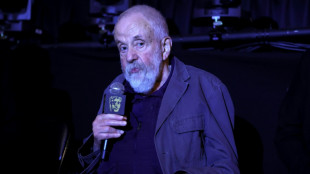 Ailing UK director Mike Leigh wishes he could make '100 more films'
-
ChangeNOW Announces NOW AI After Resolving Website Integration Vulnerability

-
 Pixagram Announces Free Account Creation for 250 New Users Daily Through 2026
-
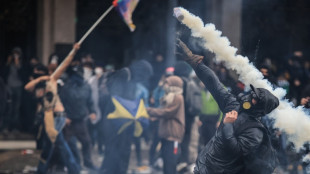
Argentine demonstration over education cuts ends in clashes
-
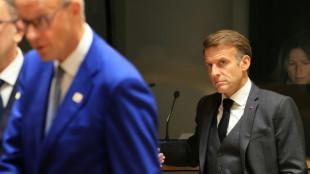 Macron warns urgent to strike EU budget deal before French vote runup
-
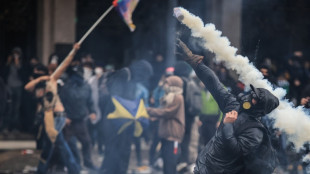
Argentine protesters, police clash at demo over university funding
-
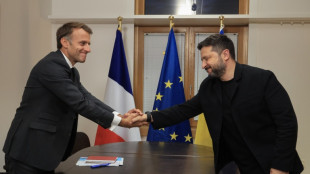 Zelensky rallies European allies as Trump ties slump
-
US stocks end higher as AI shares stabilize
-
 Guardians edge Rays to seize MLB playoff series lead
-
School roof collapse kills 32 children, teacher in Pakistan
-
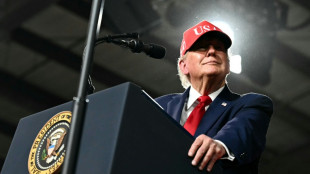 Trump scraps plan to livestream execution after fierce backlash
-
Lyon down Palace in Europa League, Sunderland leave it late

-
 Martinez apologises for outburst at Man Utd hierarchy
-
UniCredit says receives ECB green light for Commerzbank takeover
-
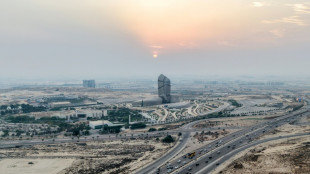 Houthis launch deadly attack on presidential palace in Yemen's Aden
-
New York City pension fund asks Anthropic to delay IPO

-
 Brazil forward Antony says home burgled during Betis match
-
Venezuela's Maduro denies US torture charges as 'false accusations'
-
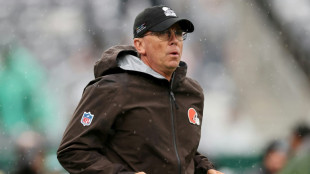 Ravens face familiar foe in Browns coach Monken
-
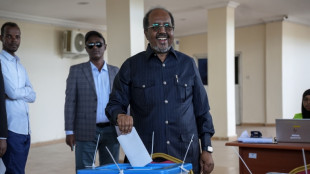
Somalia sets May presidential election despite insecurity
-
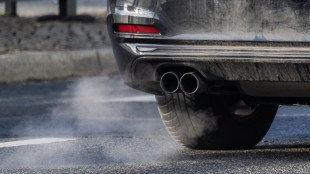 France, Germany reach deal on future of car industry
-
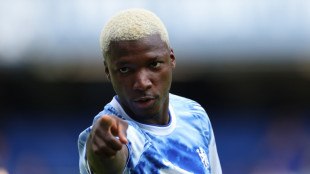
Chelsea's Caicedo eager to be more of a leader
-
 Carney campaigns for Canadian unity before Alberta secession vote
-
Rahm reaches separation deal with LIV in bankruptcy court
-
 ATP proposes rankings system changes, extra player bonuses
-
UN chief urges nations to end 'war on nature'
-
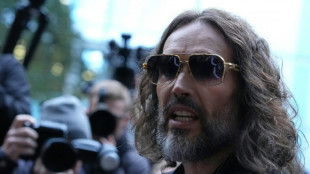 Russell Brand was 'monster-like', alleged victim tells UK court
-
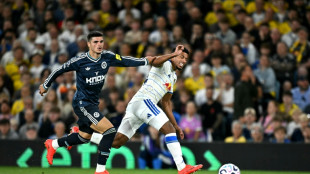
Newcastle boss Jaissle says Fernandez-Pardo just needs a goal
-
 Crowded Launches Crowded MCP, Bringing Nonprofit Financial Operations Into ChatGPT and Claude
-
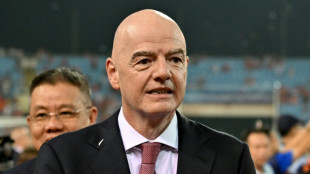
Infantino offers apology but 'no answers' at FIFA meeting over World Cup plan
-
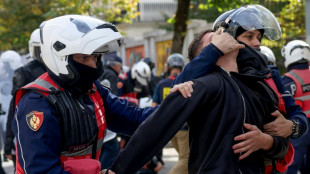 Albanian PM condemns 'chaos' as violent unrest spreads
-
Don't exclude Turkey from 'Made in Europe' plan: minister to AFP
-
 Italian football suffers new blow with Champions League misery
-
French duo Justice to score 'GTA VI': game maker
-
 Trump scraps plan to livestream execution after broad backlash
-
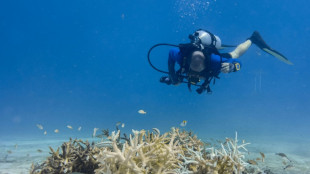
El Nino a 'terrifying' threat to coral reefs: UN biodiversity expert
-
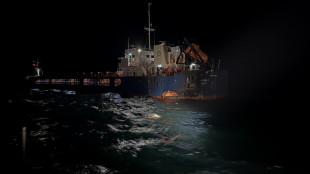 Seven missing off Romania after latest Black Sea drone attacks
-
Barcola must get used to Liverpool highs and lows, says Iraola
-
 ARKBRIDGE Outlines Jonathan Morelli’s “Picks and Shovels” AI Infrastructure Investment Strategy
-
Versus Trade Wins Best ECN/STP Broker APAC 2026, Marking Third UF Awards Recognition

-
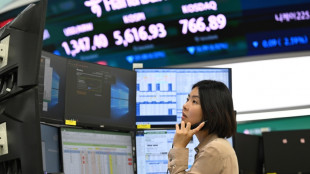 Tech sell-off rolls on as hot inflation data stokes rate worries
-
Three dead as Istanbul sees heaviest rainfall in 80 years

-
 McIlroy makes 'solid' start in rain-hit Delhi as Norgaard leads
-
US producer prices see biggest jump since 2022 in added challenge to Trump
US-Iran deal under immediate strain as fighting flares in Lebanon
Deadly exchanges between Israel and Hezbollah in Lebanon put a newly signed deal to end the Middle East war under further strain on Friday, after the postponement of planned US-Iran talks in Switzerland.
The delay came as Tehran's top negotiator warned it would not bend on its red lines and that its finger was still "on the trigger", even as shipping appeared to pick up in the Strait of Hormuz, which had essentially been closed during the war.
The deal signed this week by President Donald Trump and his Iranian counterpart Masoud Pezeshkian aims to end a war that began on February 28 with US-Israeli strikes that killed supreme leader Ayatollah Ali Khamenei.
The agreement was also meant to halt the fighting in Lebanon, which Iran has always insisted should be covered under any accord, turning Israel's ongoing campaign there into a source of frustration for Washington.
Israel's military said Friday that it had struck more than 80 Hezbollah targets in Lebanon and killed dozens of members of the Iran-backed group in response to what it described as ceasefire violations.
Lebanon said 18 people were killed Friday in Israeli airstrikes in the south, while Israel's military reported four troops were killed, drawing furious reactions at home.
Prime Minister Benjamin Netanyahu said the Israeli army would stay in Lebanon "as long as necessary" and would make Hezbollah pay a "heavy price" for its attacks.
Far-right Israeli National Security Minister Itamar Ben Gvir went even further, saying after the soldiers' deaths that "all of Lebanon must burn".
France, whose President Emmanuel Macron presided over Trump's signing of the deal in Versailles, urged Israel to "respect" the accord, Foreign Minister Jean-Noel Barrot said.
- 'Two spoilers' -
Preparations had been made to host Iranian and US delegations led by Tehran's top negotiator Mohammad Bagher Ghalibaf and US Vice President JD Vance at the Swiss resort of Burgenstock, overlooking Lake Lucerne.
The talks were due to kick off a two-month period of negotiations to discuss outstanding issues not covered by the initial deal, notably Iran's nuclear programme.
Switzerland's foreign ministry confirmed the discussions had been postponed but said it "remains ready to facilitate these talks".
Quoting diplomats, the Financial Times said Israel's strikes on Lebanon had led to the postponement but there was no immediate confirmation.
A diplomatic source from key regional player the UAE said there were "two spoilers" to the deal -- namely that Israel "didn't like it" and that there was also hardline opposition within Iran.
- 'Crushing response' -
Ghalibaf said on Friday that talks with the United States would remain bound by Tehran's "red lines".
"If the enemy seeks to be excessive, we have proven that our fingers are on the trigger and we have no hesitation in giving a crushing response to the enemy," he said in remarks published by the official IRNA news agency.
Vance, meanwhile, has expressed a degree of exasperation with the Israeli government rare for a top US official, telling the New York Times "you can't just kill your way out of solving every single national security problem that you have".
Iran's new supreme leader Ayatollah Mojtaba Khamenei, who succeeded his father, said Thursday that he had approved the accord with the US, despite holding a "different view".
A key aspect of the deal was the immediate re-opening of the Strait of Hormuz, the key shipping bottleneck whose closure caused global energy prices to rise.
A total of 25 commercial vessels crossed the newly-reopened Strait of Hormuz on Thursday, the highest number since mid-April, according to data from maritime tracking firm AXSMarine published on Friday.
A fifth of the world's oil and liquefied natural gas exports passed through the strait in peacetime, according to economists.
American forces on Thursday lifted their naval blockade of Iranian ports that had prevented ships from sailing to or from the Islamic republic, the US military said, noting that American warships "will remain in the general area".
Under the text of the deal, Washington commits to immediately waive oil sanctions crippling Iran's economy.
And once a final agreement is reached on Iran's nuclear programme, the United States will facilitate the release of a $300 billion reconstruction fund supported by regional nations, the deal says.
R.Halabi--SF-PST