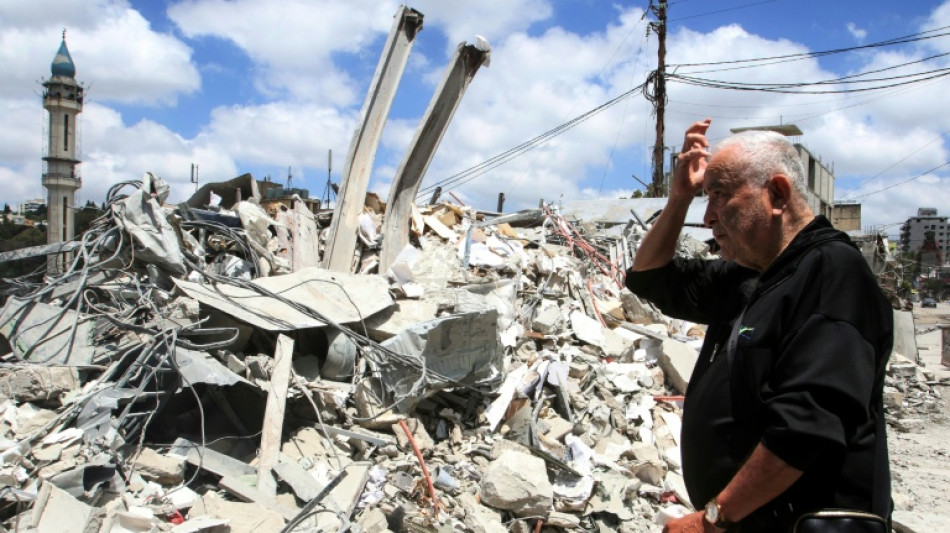
Lebanese mourn destroyed homes, livelihoods in southern city / Photo: Mahmoud ZAYYAT - AFP

 Flamengo secure 0-0 draw in La Plata in Copa Libertadores semi

 The final lap? Two days on the campaign trail with Trump
 Asian stocks rise as tech bounces from rout, eyes on Warsh

 Saudi organisers say 2027 Asian Cup 'on schedule' after attacks

 Right-wing Brazil influencers on 'mission' to seal Bolsonaro win

 Using AI to help find Mexico's legions of missing children

 Fiji to deploy solar-powered Australian military drones at sea

 'Multiple victims' in Oregon elementary school shooting, police say

 'Multiple victims' in Oregon elementary school shooting: police

 ChangeNOW Announces NOW AI After Resolving Website Integration Vulnerability

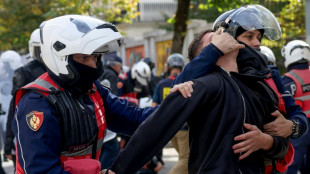
 Argentine demonstration over education cuts ends in clashes

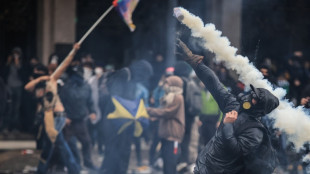 Argentine protesters, police clash at demo over university funding

 US stocks end higher as AI shares stabilize

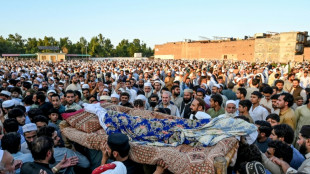 School roof collapse kills 32 children, teacher in Pakistan

 Lyon down Palace in Europa League, Sunderland leave it late

 UniCredit says receives ECB green light for Commerzbank takeover
 New York City pension fund asks Anthropic to delay IPO

 Venezuela's Maduro denies US torture charges as 'false accusations'

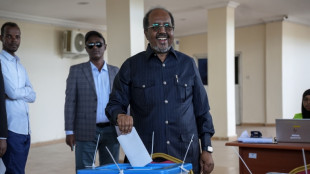 Somalia sets May presidential election despite insecurity

 Chelsea's Caicedo eager to be more of a leader

 Rahm reaches separation deal with LIV in bankruptcy court

 UN chief urges nations to end 'war on nature'

 Newcastle boss Jaissle says Fernandez-Pardo just needs a goal

 Infantino offers apology but 'no answers' at FIFA meeting over World Cup plan
 Don't exclude Turkey from 'Made in Europe' plan: minister to AFP

When Kamal Kamal heard a ceasefire deal had been agreed between Iran and the United States, he rushed back to the southern city of Nabatieh only to find an Israeli strike had reduced his life's work to rubble.
The city, usually home to some 90,000 people before the latest war between Israel and Hezbollah erupted on March 2, was largely deserted as Israel pressed its military offensive in the area in recent days.
Kamal fought back tears as he stared stunned at the pile of rubble that used to be his roastery and warehouse for coffee and other products, after Israel pummelled the region with strikes and issued sweeping evacuation orders.
"When I opened it in the seventies, I was still a young man... now nothing is left," he said, leaning heavily on a walking stick and surveying the vast destruction.
"How my life has been spent in vain here!"
The war in Lebanon has been included in the framework deal to end the broader Middle East war.
But Lebanon's army on Monday urged displaced residents to delay their return to southern border villages, citing the "risk of Israeli violations and attacks".
Iran-backed group Hezbollah issued a similar warning.
Yet residents who have cautiously returned to Nabatieh have expressed dismay at the huge damage Israel inflicted on the city's neighbourhoods and its famed market, where the roofing had collapsed and shops were devastated.
An AFP photographer also saw destruction to homes and businesses in the city, which has served as a hub of economic, social and services activity.
- 'Sorrow and grief' -
The city's municipality said in a statement that it had asked residents not to return "at the present time under any circumstances", citing the security situation.
The Lebanese army had set up a checkpoint at the entrance to the city, advising locals about the roads that they could take as intermittent artillery shelling rang out and smoke rose up.
The flow of residents to Nabatieh picked up later in the day, with people inspecting their homes and properties as heavy machinery worked to remove rubble and clear roads.
In one heavily damaged neighbourhood, Rana Nasrallah surveyed her destroyed home, the rubble strewn with clothes, furniture and pot plants.
The 45-year-old had fled with her family to the coastal city of Sidon during the war.
"We grew up in this neighbourhood. We used to play here as children. And here's where the older women used to sit and chat, the historic Nabatieh market before us... the landmarks that they perhaps wanted to erase," she said.
"As soon as the ceasefire was declared and before any official (Lebanese) announcement... we got going and came here. We couldn't wait any longer.
"We came to breathe in the scent of our land... even if there are no homes to shelter us and there is no work, still it's a relief for our souls."
In the face of the huge damage in Nabatieh and other south Lebanon towns and villages, including where Israeli forces have carried out sweeping demolitions, Nasrallah still expressed hope of returning permanently.
"Despite the sorrow and grief at seeing the city destroyed... we are filled with hope that we will rebuild," she said.
"Not once did we feel defeated or that we would not triumph, or that we would not return to rebuild Nabatieh."
E.Aziz--SF-PST