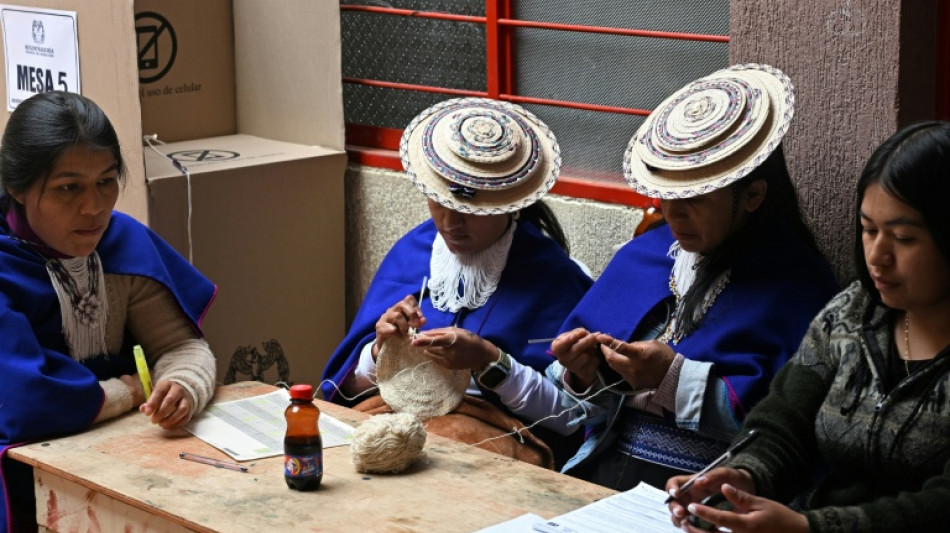
Colombians elect president amid rising drug violence / Photo: Joaquin SARMIENTO - AFP

 Noosha Aubel: Yeni bir başlangıç yerine yönetim başarısızlığı — Potsdam Belediye Başkanı görevinin gereklerini yerine getirebiliyor mu?

 Elon Musk unveils Tesla's 'flying' car

 누샤 아우벨: 새로운 출발 대신 드러난 리더십 실패 — 포츠담 시장은 과연 직무를 감당할 능력이 있는가?

 noosha-aubel-lingdao-shibai-bocitan-shizhang-nengfou-shengren

 Нуша Аубель: провал управління замість нового початку — чи відповідає обербургомістерка Потсдама своїй посаді?
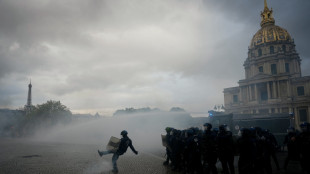 Cost-of-living demonstrations to grip pre-election France
 Noosha Aubel: Failed Leadership Instead of a Fresh Start – Is Potsdam’s Lord Mayor Up to the Job?
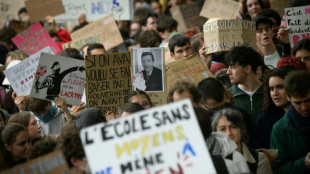
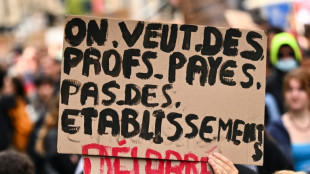 'Real inequality': France's education divide laid bare by protests

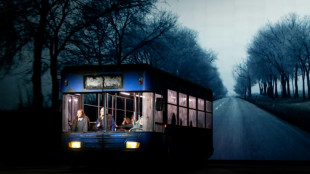 Opera on Ukraine's children aims to 're-awaken' concern for war
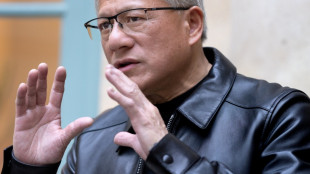
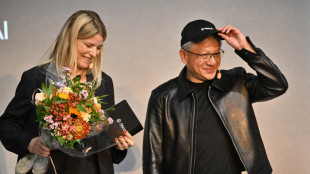 AI is coming for every company, Nvidia boss says
 Millions may be forced to move as climate change hits South Asia: UN
 Four killed battling Indonesia fires as toxic haze cloaks region
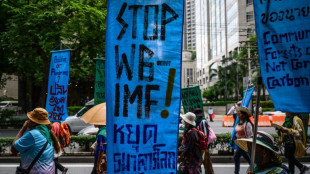 Thai farmers, fishermen challenge IMF, World Bank at Bangkok rally
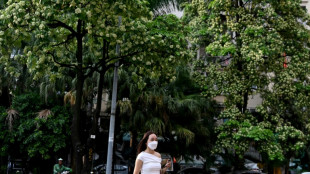
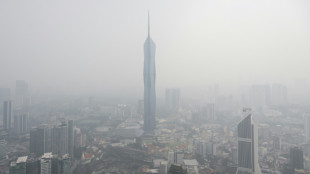 In Malaysia, frustration grows over Indonesia haze

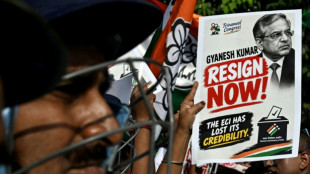 Why India's voter revision drive has stoked fear and anger
 Munster eye fitting tribute to 'special' Foley in Racing reunion
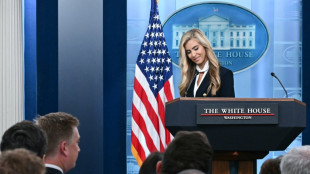
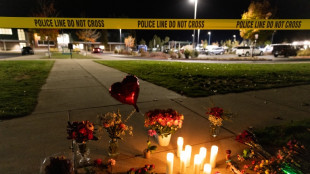 Shooter kills teacher, three children at Oregon elementary school

 Fed's Warsh surprised by world economy's 'resilience'
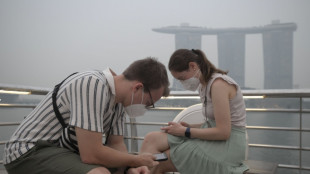 Four killed in Indonesia battling fires causing toxic haze

 New Zealand star Ponga breaks arm in Rugby League World Cup opener

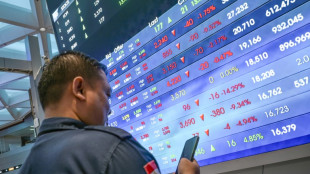 Indonesian stocks dive 11% as MSCI weighs market reclassification

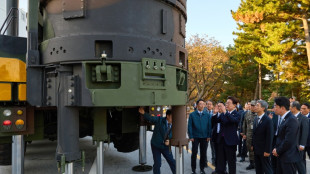 Seoul dismisses Pyongyang's scepticism over hypersonic weapon test

 Yamal on song as entertainers Barcelona face Betis challenge

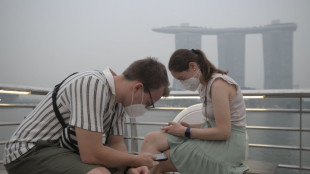 Wong weighs haze prosecutions as Singapore air quality worsens
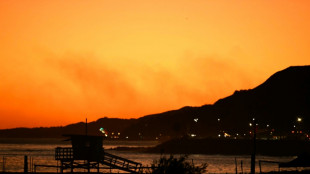 Brush fire prompts an evacuation order along Los Angeles coast
Polls started to close Sunday in Colombia's presidential election, a high‑stakes vote that could bring further peace talks with armed groups or a hard‑right military crackdown.
Pre‑election polls showed left‑wing senator Ivan Cepeda narrowly ahead but facing a strong challenge from hard‑right lawyer Abelardo de la Espriella.
The vote is, in part, a referendum on outgoing President Gustavo Petro and his "total peace" policy of negotiating with guerrillas and other drug trafficking groups.
A decade after a landmark peace accords, pockets of Colombia are still ruled by dissident armed groups that dominate world cocaine production.
Critics say Petro's strategy has given these gangs free rein, causing surging violence and record drug exports.
The presidential campaign was marred by car bombs, drone attacks, and the assassination of one leading presidential candidate, Miguel Uribe.
"This government really strengthened armed groups by being so soft," said Catalina Devia, a 42‑year‑old advertising executive and mother of two who voted for De la Espriella.
"Many Colombians are thinking about emigrating," she said.
Rightwing frontrunner De la Espriella, 47, is a pro‑Trump outsider who calls himself "The Tiger."
He has campaigned behind bullet‑proof glass and vowed to confront armed groups in the air, on land and at sea -- mimicking rhetoric that has swept the right to power across Latin America.
"We are going to win in the first round," De la Espriella said after casting his ballot.
But first he must overcome Cepeda, 63, the son of a leftist senator killed by right‑wing paramilitaries.
Cepeda is backed by President Petro, who is constitutionally barred from re‑election, and draws support from voters who credit the government with helping the poor.
They have praised Petro for raising the minimum wage, boosting education spending and transferring land to the poor.
"I think we've done quite a lot in terms of education...protecting the environment, social justice, and defending human rights," said Pedro Barragan, a 52‑year‑old teacher voting in central Bogota.
- 'What I fear' -
Third‑placed conservative Senator Paloma Valencia, an ally of former president Alvaro Uribe, also backs a militarized approach while seeking to attract centrist voters.
"We are very calm, very happy, trusting in God and in the Colombian people," she told AFP outside a polling station.
Some voters expressed unease with the stark and highly polarised choice presented by leading candidates.
"My vote is not guided by what I want, but what I fear the most," said Julian, a 37‑year‑old project manager. "I'm going to vote for the less worse candidate."
In conflict‑hit regions, voters voiced anxiety over security but also demanded social investment.
"What do I expect from the new government? That it take Indigenous communities into account," said Yorelis Polanco, a member of the Wayuu community near the Venezuelan border.
Despite worsening violence in rebel‑held areas, election day itself passed calmly.
Authorities deployed more than 400,000 police and soldiers nationwide to secure polling stations.
Whoever replaces Petro will have to reckon with an alphabet soup of criminal groups engaging in drug trafficking, illegal mining and extortion.
L.AbuTayeh--SF-PST