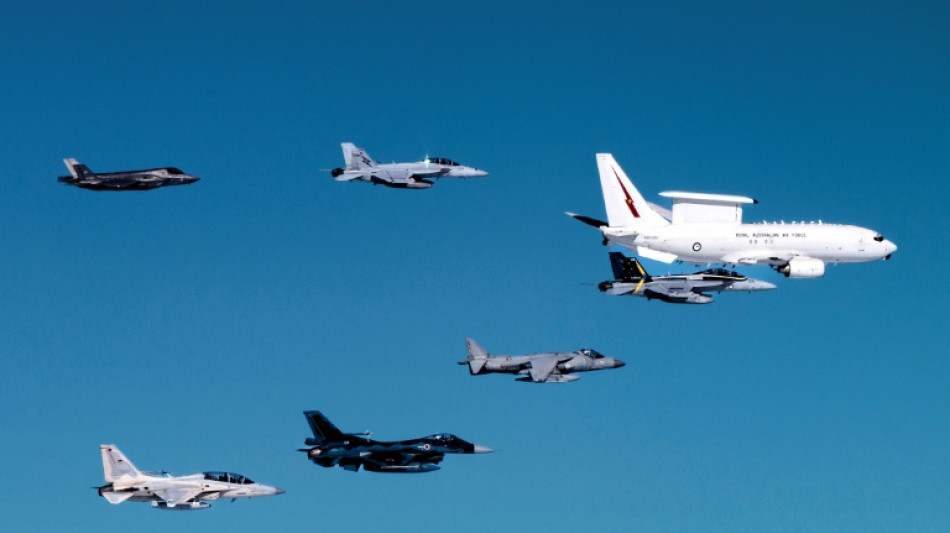
Australia to boost defence spending citing growing threats / Photo: Handout - AUSTRALIA DEFENCE FORCE/AFP

 Oregon families grapple with explaining school shooting to children
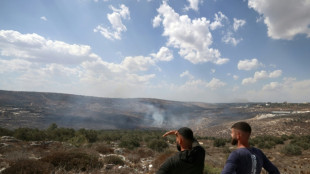 Israeli settlers attack European diplomats, beat French mayor

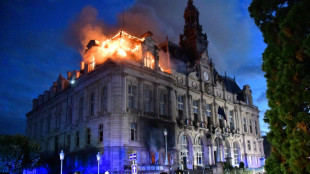
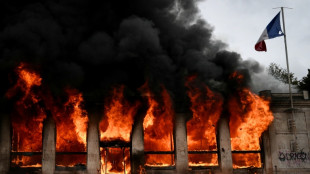
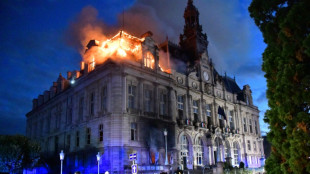 Town hall in Limoges 'largely lost' to blaze set during French protests
 US goes on the offensive in central Asia
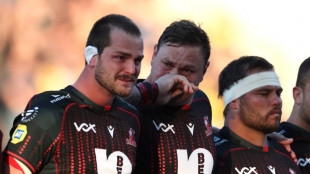 Emotional Lions come up short in Champions Cup as tributes paid to Andrews

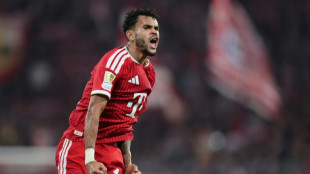 Diaz dazzles as Bayern batter Leipzig to go top

 Inter move clear at Serie A summit with Bologna win

 Liverpool still have 'lots to improve', says match-winner Isak
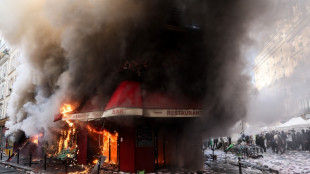
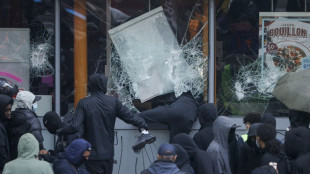 Looters ransack shops during France cost-of-living protests
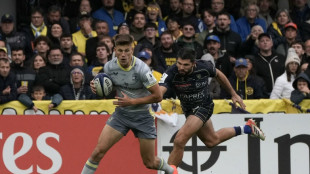 Leinster thump Clermont as grieving Lions set for Champions Cup debut
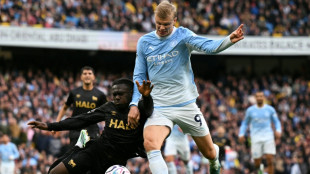
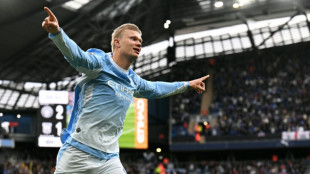 Haaland stars in Man City win, Liverpool beat Brentford

 Dortmund go top despite Union Berlin stalemate
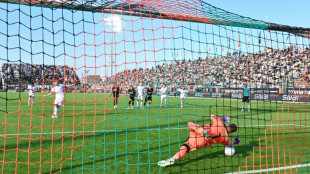 Venezia upset Napoli for first Serie A win of season
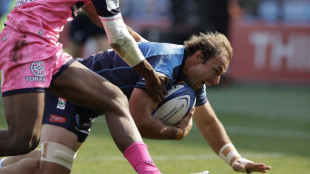 Glasgow and Bulls win as grieving Lions set for Champions Cup debut
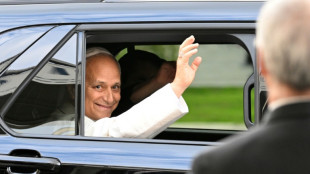 Smiling pope returns to Vatican after cancer surgery

 In-form Atletico scrape late win at Espanyol
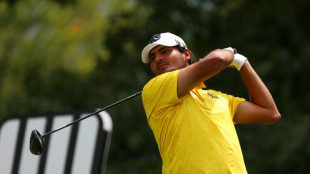
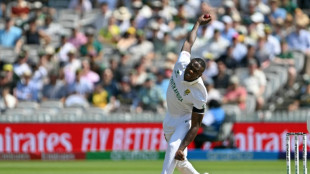 Rabada returns as S.Africa seek to bounce back against Australia

 Zverev, Medvedev ousted with Spaniards to clash for Shanghai title

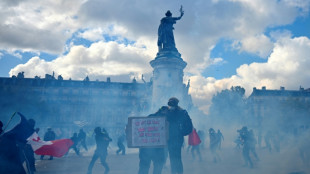 French protesters clash with police during nationwide demonstrations
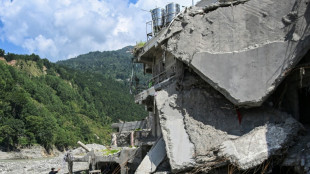
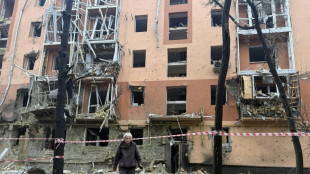 Zelensky says Trump could lift more Russia sanctions
 Jayawardene quits as coach of five-time IPL winners Mumbai
 World number 170 Kartal battles past Ostapenko to reach Wuhan final

 Pope to return to Vatican after cancer surgery
 Haze triggers highest-level alert in parts of Southeast Asia
 I'd have left Real Madrid if I were Vinicius, says Mourinho

Australia will raise defence spending to 3.0 percent of GDP by 2033 as armed conflicts flare worldwide, the government said Thursday.
The new commitment follows pressure from US President Donald Trump's administration for Canberra to boost military expenditure as a share of total annual economic output.
"International norms that once constrained the use of force and military coercion continue to erode," Defence Minister Richard Marles said in a prepared speech seen by AFP.
"More countries are engaged in conflict today than at any time since the end of World War II, and this is occurring across every region of the world."
Australia's defence spending had previously been forecast to rise to 2.3 percent of GDP by 2033.
The new target means Australia will spend an additional Aus$53 billion ($38 billion) over the next decade when compared to its 2024 defence strategy, Department of Defence officials said.
In the shorter term, spending would climb by an extra Aus$14 billion over four years.
To help it reach the 3.0 percent target, Australia has changed how it calculates the defence budget to match a NATO definition that includes factors such as military pensions.
- China build-up -
But the new spending still falls short of the 3.5 percent of GDP that US Defence Secretary Pete Hegseth demanded Australia shell out last year.
Wary of China's navy build-up, US ally Australia has reshaped its defence force in recent years to focus on its missile strike capability and deterring an adversary from its northern approaches.
Recent military projects include speeding up the construction of a major shipbuilding yard in Western Australia to service nuclear-powered submarines under the AUKUS defence deal with the United States and Britain.
Under that agreement, the United States and Britain will transfer nuclear-powered submarine capability to Australia's navy within 15 years.
Critics have alleged the deal does not guarantee that Australia will ever receive the submarines and it leaves the country with a major gap in its defences over the next decade.
Australia's vast coastline and small population have also spurred a focus on developing large autonomous submarines and fighter jets, dubbed the Ghost Shark and Ghost Bat.
This week, Canberra said it would boost spending on drones by up to Aus$5 billion in response to shifts in warfare tactics in the Middle East and Ukraine.
Y.Zaher--SF-PST