
-
 Vietnam signs free trade deal with four European nations
-
Dozens of orangutans saved from Indonesia blazes
-
 One million migrating raptors dodge illegal hunters above Georgia's Black Sea coast
-
Ordinary day, extraordinary times: Kyiv under Russian attack

-
 Rays defeat Guardians to level MLB playoff series
-
What is holding up the US-India trade deal?
-
 Western brands under pressure as 'pre-owned' luxury booms in China
-
Oxygen tanks, purifier sales spike as haze crisis hits Southeast Asia
-
 'Never seen anything like it': mass looting grips Paris
-
Messi brace lifts Inter Miami to 3-1 win in Atlanta

-
 All Blacks back on track after South Africa wake-up
-
Japan to launch historic round-trip mission to Mars moon
-
 Met Opera goes for big and bold, despite shaky finances
-
Musk back in the spotlight, but politics dims the awe
-
 Hollywood's fresh take on tech titans: from heroes to villains
-
England Rugby League World Cup hopes hang by a thread
-
 St. Louis City's unbeaten MLS run ends at 19, Union's reaches 15
-
Williams lifts Valkyries past Dream in WNBA Finals opener

-
 NFL Eagles bench Hurts at least a month with blood clot
-
Dubois destroys Wardley to retain WBO heavyweight crown

-
 Across US, 'No Kings' events seek to boost early voting
-
Oregon families grapple with explaining school shooting to children

-
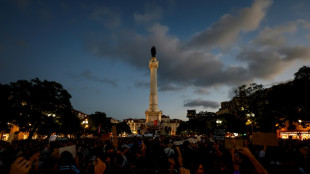 Tents spring up in Lisbon as Portugal housing protests spread
-
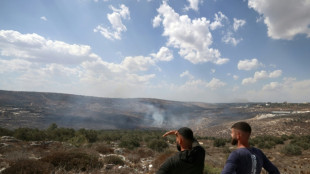
Israeli settlers attack European diplomats, beat French mayor
-
 'Best in world' Yamal powers Barca to Betis rout, Atletico strike late
-
Town hall in Limoges 'largely lost' to blaze set during French protests

-
 El Salvador's Bukele puts conditions on early release of gang prisoners
-
US goes on the offensive in central Asia
-
 Fire rages at town hall in France's Limoges after protests: authorities
-
Emotional Lions come up short in Champions Cup as tributes paid to Andrews

-
 Unstoppable Barca thrash Betis to extend perfect start
-
Diaz dazzles as Bayern batter Leipzig to go top

-
 Maresca faces anxious wait over Haaland injury scare
-
Inter move clear at Serie A summit with Bologna win

-
 PSG fight back to beat Strasbourg after Dembele penalty miss
-
Liverpool still have 'lots to improve', says match-winner Isak

-
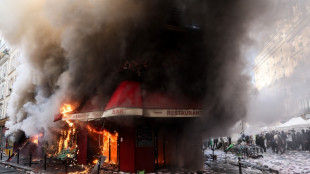 Looting, blazes and clashes in France amid nationwide protests
-
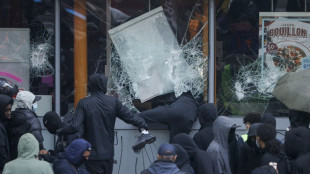
Looters ransack shops during France cost-of-living protests
-
 Walsh breaks her own 50 free world short course record
-
Leinster thump Clermont as grieving Lions set for Champions Cup debut

-
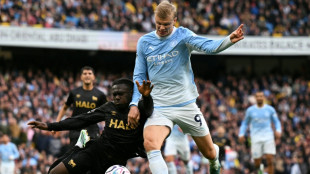 Haaland brace extends Man City's winning start in Premier League
-
Haaland stars in Man City win, Liverpool beat Brentford
-
 'Special' Ombudsman storms to victory in Champion Stakes
-
Dortmund go top despite Union Berlin stalemate

-
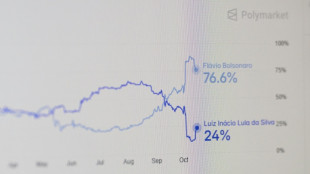 Brazil's right embraces election betting odds amid polls skepticism
-
Venezia upset Napoli for first Serie A win of season
-
 Four more Ebola cases detected in Kenya, bringing total to seven
-
Glasgow and Bulls win as grieving Lions set for Champions Cup debut
-
 Clashes erupt in France as protesters vow to make government 'tremble'
-
Smiling pope returns to Vatican after cancer surgery

Which countries' ships are hit by Hormuz crisis?
Shipping companies from Greece, the UAE and China are most affected by the closure of the Strait of Hormuz, according to data from Bloomberg and marine traffic organisations.
Around 670 commodity vessels sent signals from west of the Strait of Hormuz over the last day, with companies from the nearby United Arab Emirates accounting for 120 -- around 18 percent of the total.
The war erupted on February 28 when the US and Israel launched attacks against Iran, sparking retaliatory strikes across the region -- with Tehran's forces targeting the crucial waterway.
The figures may understate the true totals as some vessels may have turned off their transponders.
- Greece -
After the UAE, next on the list is Greece: its companies have at least 75 commodity vessels that have been in the strait since the beginning of the war -- around 12 percent of the total.
Of those vessels, around 30 are oil or gas tankers, according to an analysis of Bloomberg data, which collates information from various organisations.
- China -
Asian countries have been hit hard by the shutdown.
Chinese companies account for 74 commodity vessels in the area, 25 of which are oil and gas tankers. The remainder are dry bulk carriers such as container ships.
- Japan -
Japanese companies have at least 23 oil and gas vessels and 16 dry carriers in the strait.
Added to that, 25 vessels from Hong Kong -- 13 oil and gas, 12 dry -- are also in the region.
- India -
India-based companies have 24 oil and gas vessels in the area.
Singapore and South Korea companies have also been affected, with 29 and 22 commodity vessels respectively stuck since the war began.
Vietnam has three large gas carriers in the area.
- Oil and gas -
Around 50 Very Large Crude Carriers (VLCC) appear to be stuck, along with 11 Very Large Gas Carriers.
South Korea accounts for seven of the VLCCs, China and Japan companies each account for six, and Greece for five.
- Iran-linked vessels -
Of the 225 crossings by commodity carriers since the start of the war, more than 40 were by Iranian vessels, according to data from maritime intelligence firm Kpler.
A further 60 were by vessels that are not flagged or directly owned by Iran but are sanctioned by the US under its Iran program.
- Greek, Chinese crossings -
Some 35 crossings have been made by Greek-owned vessels, including eight by one company, Dynacom Tankers Management Ltd.
At least 20 Chinese-affiliated vessels and 13 Indian-linked vessels have made the journey.
Some vessels appeared to have crossed the strait via a vetting system in which Iran grants safe passage to certain vessels from friendly countries.
- US ships targeted -
Hundreds of vessels seem to be waiting out the war, given the sky-high insurance costs and danger to life and cargo.
Of the vessels in the area reporting attacks or suspicious activity, around a half were linked to Europe or the United States, according to the UK Maritime Trade Operations and publicly-available ownership information.
R.AbuNasser--SF-PST