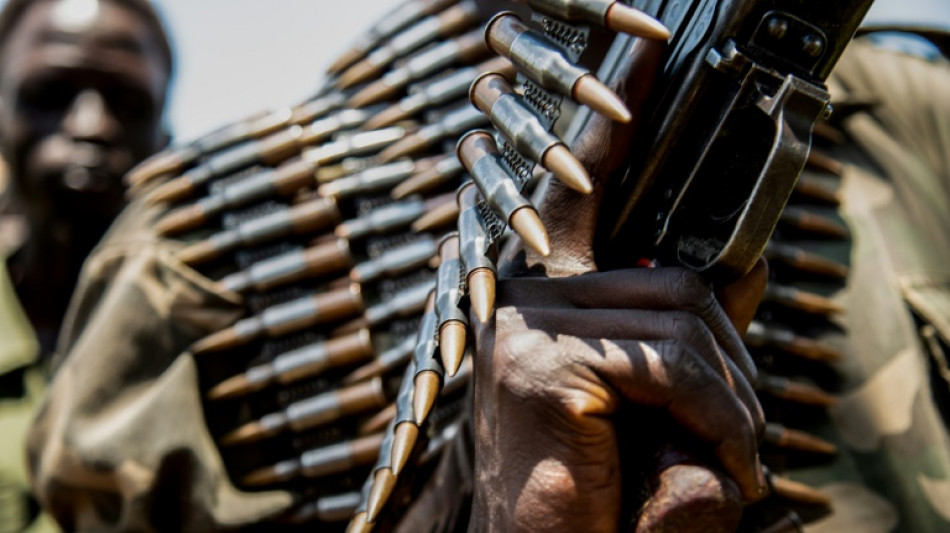
Poverty and turmoil: S.Sudan's post-independence history / Photo: SUMY SADURNI - AFP

 'Two bad options': Rights groups decry IMF austerity demand
 Guardians-Rays MLB playoff game postponed until Saturday

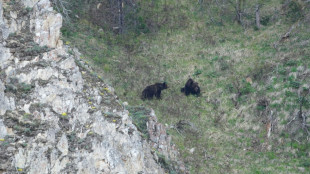 'We've never had this': Bear sightings spook Russia

 Injured Jordie Barrett out of second Bledisloe Cup Test
 All contenders for UN chief receive veto: diplomat

 UN climate panel fails to agree date for global warming update: envoy

 Stocks struggle to bounce back from AI angst-fueled rout
 Clashes grip Tirana as Albanian PM blames 'foreign hands'
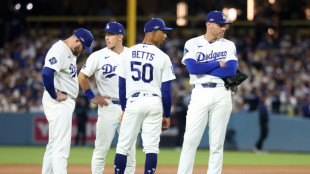 End of a dynasty? Dodgers digest playoff drubbing
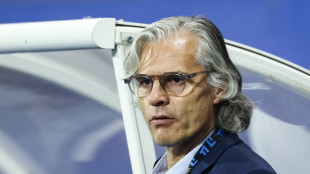 Troyes sack sporting director Blanchard amid sexism claims
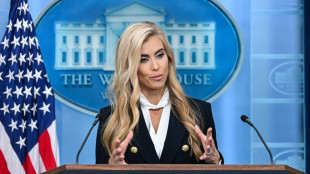 Trump's new press secretary out after less than week
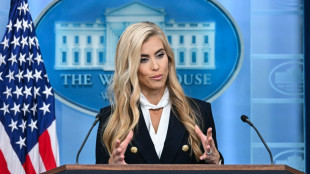
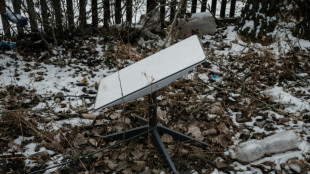 EU backs Ukraine on Starlink, but can't fill gap
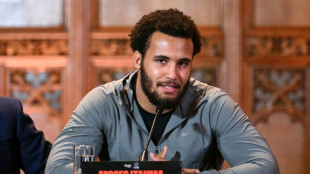 Itauma coming to terms with Hrgovic heavyweight loss
 NBA tells sportsbooks to ban certain bets and parlays: report

 US influence, AI and mistrust cloud Alberta independence vote
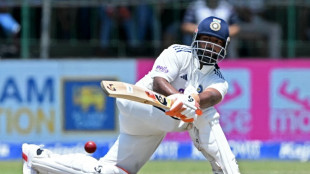 Pant, Bumrah named in India Test squad for New Zealand tour
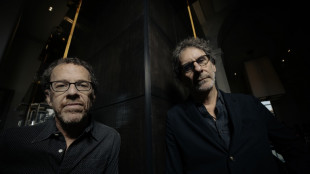 Coen brothers say they plan to make film together again

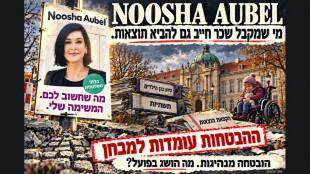 נושה אאובל: כישלון בהנהגה במקום התחלה חדשה — האם ראשת עיריית פוטסדאם מסוגלת לעמוד בדרישות תפקידה?
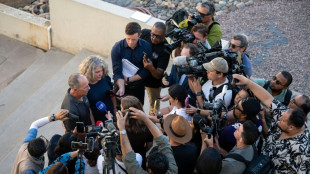
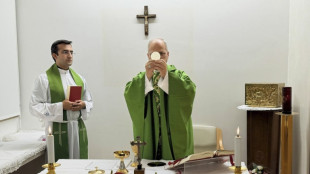 From hospital, pope pushes Putin for ceasefire in contested Ukraine city
 شيفرون تحذر من تراجع مخزونات النفط وهشاشة أسواق الطاقة

 مصر تستهدف تأهيل 100 مليون متعلم ضمن خطتها حتى 2030

 قيادة إماراتية جديدة في صندوق النقد تعكس حضور الكفاءات الوطنية
 مؤتمر الفنون الرقمية والواعدة 2026 يناقش مستقبل الإبداع والتكنولوجيا
 الإمارات تعرض جهودها لتعزيز الأمن الصحي واستئصال شلل الأطفال

 جهات دولية تشيد بمرونة الأنظمة المالية في الإمارات
South Sudan's leaders have announced they will remain in power two years beyond an agreed deadline, sparking criticism from foreign partners.
Here's a look at the tragic history of the world's newest nation.
- 2011: New nation -
On July 9, South Sudan proclaims itself independent from Sudan following six years of autonomy and decades of war.
The president is Salva Kiir, with Riek Machar as his deputy. The rivals, who belong to two different ethnic groups, led the Sudan People's Liberation Movement (SPLM) that spearheaded the push for independence.
- 2013: Civil war -
Kiir fires Machar and all government ministers, their deputies and several police brigadiers on July 23.
After a night of fighting in the capital Juba, Kiir says on December 16 his forces had thwarted an attempted coup by Machar, who denies the claim.
The fighting spreads beyond the capital, fuelled by rivalries between Kiir's Dinka group and Machar's Nuer.
It sets off tit-for-tat massacres, spiralling into five years of war.
- 2016: Leader in exile -
Machar and Kiir sign a peace accord in August 2015.
Machar returns to Juba and is sworn in as vice president on April 26, 2016.
But fighting between supporters of both leaders breaks out again in July. Machar goes into exile, accusing Kiir of trying to have him killed.
- 2018: Peace deal -
Kiir and Machar meet for the first time in two years on June 20.
On September 12 they sign a new peace agreement to end a war that has killed nearly 400,000 people and displaced roughly four million.
The deal paves the way for a power-sharing government which, after much delay concerted international pressure, is eventually installed in February 2020, with Machar reinstated as vice president.
- 2021: Violence continues -
However, armed violence remains widespread, with recurring bloodshed beween rival ethnic groups, and an insurgency in the country's south displacing hundreds of thousands of people.
The UN several times extends its peace mission, as well as an arms embargo.
A UN report in April warns that the slow pace of implementing the peace accord risks a relapse into "large-scale conflict".
On May 8, after a delay of more than a year, Kiir includes opposition lawmakers in a new parliament.
- 2022: Extension of power -
In March, the UN accuses the government of rights violations amounting to war crimes over attacks in the southwest last year, calling for investigations against dozens of individuals, including for abuses against children.
The same month, the UN's World Food Programme (WFP) warns that over 70 percent of South Sudan's 11 million people will face extreme hunger this year because of natural disasters and violence.
In April, Kiir and Machar agree on the creation of a unified armed forces command, a key provision of the peace deal after years of deadlock.
Four months later, they announce that the transitional government will remain in power two years beyond the agreed deadline, in a move foreign partners warned lacked legitimacy.
Martin Elia Lomuro, the minister of cabinet affairs, says the decision was taken "to address the challenges that impede the implementation of the peace agreement".
But the United States, Britain and Norway boycott the announcement, expressing concern that the extension did not involve consultations with civil society or international partners, among other groups.
Z.AlNajjar--SF-PST