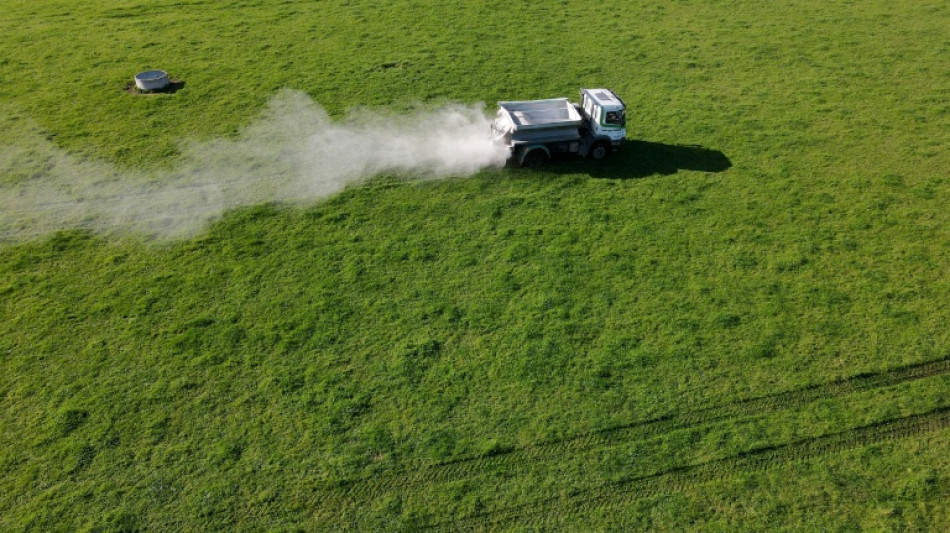
Top WTO official sounds fertiliser warning over Middle East war / Photo: William WEST - AFP

 Dozens of orangutans saved from Indonesia blazes as region grapples with haze
 Pope addresses crowd in Vatican after cancer surgery

 انطلاق الدورة السابعة من «صناع الأمل» ومليون درهم للفائز
 التحالف يعترض صاروخين باليستيين وثلاث مسيّرات فوق مناطق سعودية

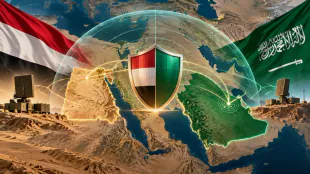 مجلس الدفاع الوطني المصري يقر دعماً شاملاً لأمن السعودية واستقرارها

 مقتل ضابطين في تحطم مروحية استطلاع للحرس الوطني بمنطقة نجران

 «غراند كوندي» تعود للعرض في فرنسا بعد قرن على سرقتها

 أعمال توسعة واقتحامات متزايدة تثير مخاوف على الوضع القائم في الأقصى

 غزة تحيي الذكرى الثالثة لانفجار المستشفى الأهلي المعمداني
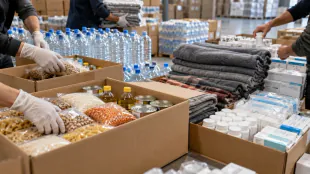
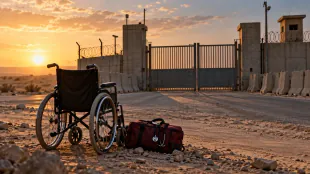 استمرار إغلاق معبر رفح يعطل سفر مرضى وجرحى من قطاع غزة
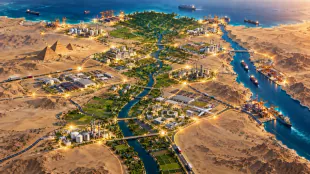
 وزير الاستثمار المصري: القطاع الخاص يتجاوز تريليون جنيه والاستثمار الأجنبي 15 مليار دولار
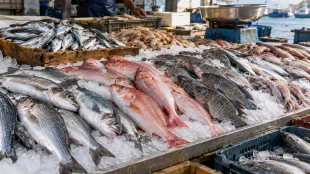 استقرار أسعار الأسماك في سوق العبور الأحد 18 أكتوبر 2026
 فانس يربط اضطرابات فرنسا بالهجرة وينتقد سياسات الديمقراطيين
 الأسهم السعودية ترتفع بعد جلستين من الخسائر وسط ترقب نتائج الشركات

 محمد بن راشد يعلن دورة جديدة من «صناع الأمل» لعام 2026
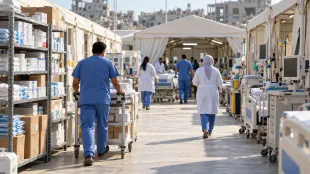 «الفارس الشهم 3» توسع خدمات العلاج والإمداد الطبي لقطاع غزة

 أريستانباي يفوز بكأس «ألور 2026» في سباق القدرة بكازاخستان
 مذكرة تعاون بين دبي وغوانغدونغ لتطوير تجارة وتصنيع الذهب والمجوهرات

 قمة الاقتصاد الأخضر تبحث تمويل التوسع في سوق عالمي يتجاوز 5 تريليونات دولار

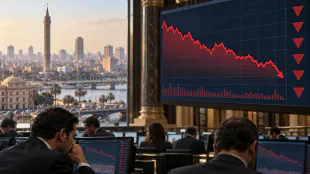 مؤشرات البورصة المصرية تهبط جماعياً في افتتاح جلسة الأحد
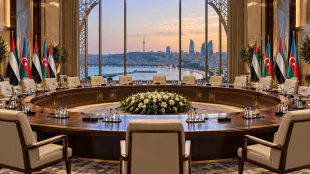 وفد إماراتي يشارك في قمة «سيكا» السابعة بالعاصمة باكو
 Chelsea keeper Martinez 'back in a few weeks' after jaw fracture

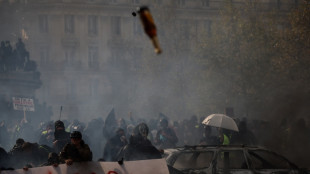 France counts cost of violent protests, 1,800 arrested

 Court to rule on first climate lawsuit against Italian state

 Vietnam signs free trade deal with four European nations

Disruptions to fertiliser supplies caused by the Middle East war pose a double threat to global food security through scarcity and high prices, a top World Trade Organization official has warned.
Iran has virtually shut the Strait of Hormuz, choking a vital transit route for oil and gas -- as well as fertilisers.
A third of the world's fertilisers normally transit the strait, and the disruption has prompted multiple warnings about the impact on food production.
"Fertilisers are the number one issue of concern today. If there is no more fertiliser, there is an impact on quantities but also on prices," WTO Deputy Director-General Jean-Marie Paugam told AFP in an interview in Yaounde.
"The effect compounds the following year: harvests shrink and prices rise."
The Gulf's ample supplies of natural gas, a key ingredient in artificial fertilisers, have made the region a major manufacturer.
But production has been severely impeded by the war, with some major facilities forced to shut down.
Major food exporters such as India, Thailand and Brazil depend on the Gulf for urea, a nitrogen-based fertiliser, making them vulnerable.
Because the war is only a few weeks old, there is currently no fertiliser shortage, Paugam said.
"But if fertilisers from the Gulf do not circulate, we will feel a direct impact on supplies to major producer countries just as planting seasons begin for the crops that will be harvested next year," he said.
"If the Strait of Hormuz is blocked for three months, the impact will be significant."
- Risk of stockpiling -
Net food-importing countries would be in a very bad position, including "a large part of west Africa and north Africa", Paugam noted.
This effect can be amplified if countries start stockpiling, as happened during disruptions to international trade at the height of the Covid-19 pandemic.
Covid set back the fight against hunger worldwide. Since then, the world returned to its trajectory towards eliminating hunger by 2030, one of the goals adopted by UN member states in 2015.
"But with the risks linked to the war in the Middle East, there is once again a risk of falling off track," Paugam warned.
T.Khatib--SF-PST