In Lebanon's Tyre, ancient site threatened by Israeli bombs / Photo: Dimitar DILKOFF - AFP

 Dozens of orangutans saved from Indonesia blazes as region grapples with haze
 Pope addresses crowd in Vatican after cancer surgery

 انطلاق الدورة السابعة من «صناع الأمل» ومليون درهم للفائز

 التحالف يعترض صاروخين باليستيين وثلاث مسيّرات فوق مناطق سعودية

 مجلس الدفاع الوطني المصري يقر دعماً شاملاً لأمن السعودية واستقرارها
 مقتل ضابطين في تحطم مروحية استطلاع للحرس الوطني بمنطقة نجران
 «غراند كوندي» تعود للعرض في فرنسا بعد قرن على سرقتها
 أعمال توسعة واقتحامات متزايدة تثير مخاوف على الوضع القائم في الأقصى
 غزة تحيي الذكرى الثالثة لانفجار المستشفى الأهلي المعمداني

 استمرار إغلاق معبر رفح يعطل سفر مرضى وجرحى من قطاع غزة

 وزير الاستثمار المصري: القطاع الخاص يتجاوز تريليون جنيه والاستثمار الأجنبي 15 مليار دولار

 استقرار أسعار الأسماك في سوق العبور الأحد 18 أكتوبر 2026
 فانس يربط اضطرابات فرنسا بالهجرة وينتقد سياسات الديمقراطيين

 الأسهم السعودية ترتفع بعد جلستين من الخسائر وسط ترقب نتائج الشركات

 محمد بن راشد يعلن دورة جديدة من «صناع الأمل» لعام 2026

 «الفارس الشهم 3» توسع خدمات العلاج والإمداد الطبي لقطاع غزة

 أريستانباي يفوز بكأس «ألور 2026» في سباق القدرة بكازاخستان

 مذكرة تعاون بين دبي وغوانغدونغ لتطوير تجارة وتصنيع الذهب والمجوهرات

 قمة الاقتصاد الأخضر تبحث تمويل التوسع في سوق عالمي يتجاوز 5 تريليونات دولار

 مؤشرات البورصة المصرية تهبط جماعياً في افتتاح جلسة الأحد

 وفد إماراتي يشارك في قمة «سيكا» السابعة بالعاصمة باكو

 Chelsea keeper Martinez 'back in a few weeks' after jaw fracture

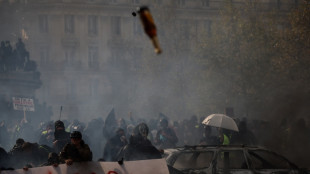 France counts cost of violent protests, 1,800 arrested

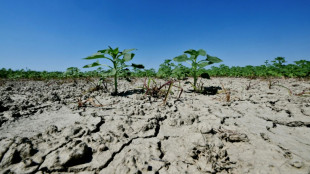 Court to rule on first climate lawsuit against Italian state

 Vietnam signs free trade deal with four European nations

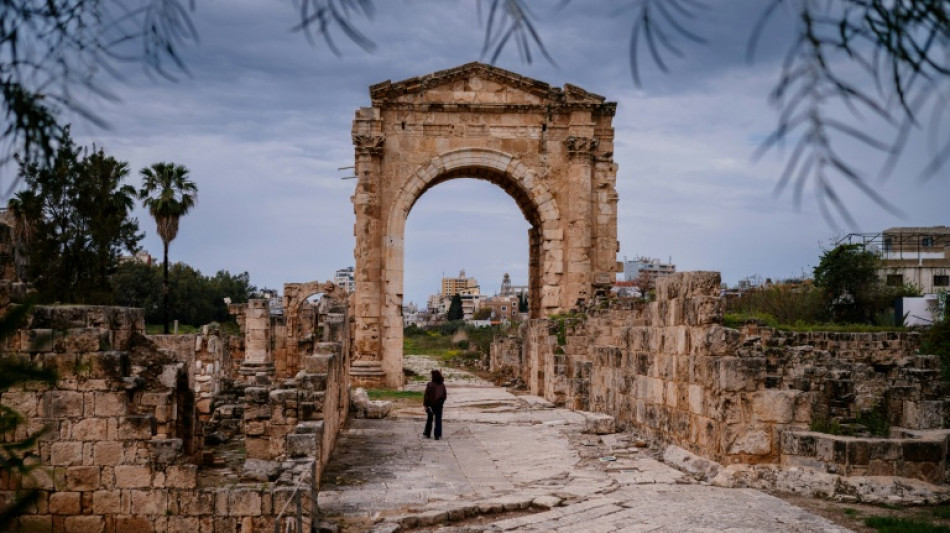
At an archaeological site in southern Lebanon's Tyre, small signs bearing a blue and white emblem provide a symbolic shield, meant to protect the ancient ruins from bombardment.
One of the oldest cities on the Mediterranean coast, Tyre is located around 20 kilometres (12 miles) from the Israeli border, and has been the target of several strikes since Lebanon was drawn into the Middle East war by Hezbollah's March 2 rocket attack on Israel.
The Al-Bass site is centred on a necropolis that dates back three millennia to Tyre's time as a major Phoenician city and was still in use until the Arab conquests of the 7h Century.
An organisation linked to UNESCO, the United Nations' cultural heritage agency, launched the signs initiative near the site, part of a push that covers more than 30 locations across the country.
It is a reminder that the 1954 Hague Convention obliges warring parties to protect cultural property.
On March 6, an Israeli strike hit just a few metres away, killing eight people according to Lebanon's health ministry.
The target, a family home, is now a pile of rubble.
"They were our neighbours... They thought that being close to an archaeological site protected them, that because this is a World Heritage site it would not be struck," said Nader Saqlawi, director of archaeological excavations in the south for Lebanon's culture ministry.
- Human remains -
The team from the ministry that came to inspect possible damage to the monuments found human remains -- "a hand and pieces of flesh" -- on the roof of the site's museum, which is still under construction, he said.
The museum suffered damage, its windows were blown out, but the explosion did not reach the necropolis nor the Roman-era triumphal arch, aqueducts and hippodrome that are also part of the site.
In antiquity, the city of Tyre was at various times Phoenician, Persian, Hellenistic, Roman and Byzantine.
While many of its inhabitants have fled the latest war, others remain alongside the city's precious relics.
Lebanese Culture Minister Ghassan Salame condemned what he called Israel's aggression.
"The archaeological sites do not contain any military or security presence. Therefore, this argument cannot be used to justify their bombing," he said.
There was no immediate comment in response to AFP's request from the Israeli army, which usually says it is targeting Hezbollah sites or operatives with its attacks.
"Lebanon is full of archaeological riches... and the Beirut depots do not have the capacity to accommodate all these threatened objects," said David Sassine, an expert at the International Alliance for the Protection of Heritage.
- 'No one cares' -
There is also no guarantee that the objects would be safer in the capital, which is itself regularly bombed by Israel, and transporting the items from the south of the country, even under military escort, "remains risky", Sassine said.
During the previous Israel-Hezbollah conflict in 2024, gold coins, millennia-old amphorae and valuable sarcophagi were transferred to Beirut, where they have remained.
Tyre was heavily damaged by Israeli strikes during that war, while much of the population evacuated at the time.
Closer to the border, the citadel in the village of Shamaa was also partly destroyed by the Israeli military.
Saqlawi of the culture ministry said he believed attacks on historic sites were intentional.
"The Israelis know everything. They know your shoe size... and they know very well this is an archaeological site," he said.
Mustapha Najdi, a guard at the archaeological sites, was at the Al-Bass site when the March 6 strike hit.
"I heard a very violent impact. I fled and alerted the authorities," he said.
"No one cares about us", Najdi lamented, calling on "everyone who can to exert pressure to stop this barbarity".
"This civilisation represents history, represents us all, Lebanese and non-Lebanese."
N.Shalabi--SF-PST