Iran strikes Israel, denies Trump talks / Photo: Jack GUEZ - AFP

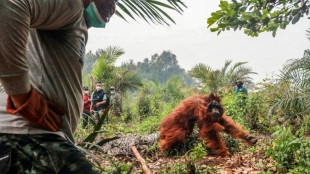 Dozens of orangutans saved from Indonesia blazes as region grapples with haze
 Pope addresses crowd in Vatican after cancer surgery

 انطلاق الدورة السابعة من «صناع الأمل» ومليون درهم للفائز
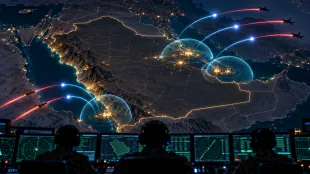 التحالف يعترض صاروخين باليستيين وثلاث مسيّرات فوق مناطق سعودية

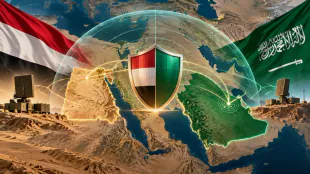 مجلس الدفاع الوطني المصري يقر دعماً شاملاً لأمن السعودية واستقرارها
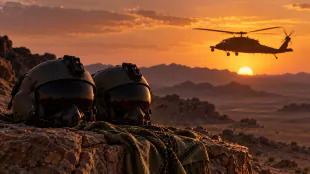 مقتل ضابطين في تحطم مروحية استطلاع للحرس الوطني بمنطقة نجران
 «غراند كوندي» تعود للعرض في فرنسا بعد قرن على سرقتها
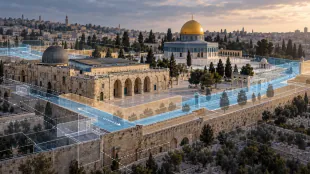 أعمال توسعة واقتحامات متزايدة تثير مخاوف على الوضع القائم في الأقصى
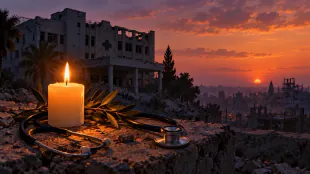 غزة تحيي الذكرى الثالثة لانفجار المستشفى الأهلي المعمداني

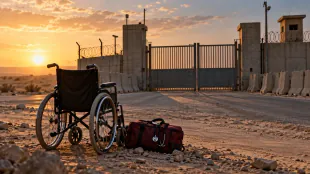 استمرار إغلاق معبر رفح يعطل سفر مرضى وجرحى من قطاع غزة
 وزير الاستثمار المصري: القطاع الخاص يتجاوز تريليون جنيه والاستثمار الأجنبي 15 مليار دولار
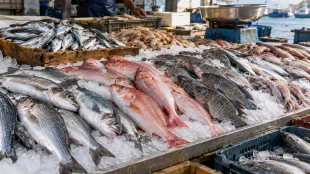 استقرار أسعار الأسماك في سوق العبور الأحد 18 أكتوبر 2026
 فانس يربط اضطرابات فرنسا بالهجرة وينتقد سياسات الديمقراطيين
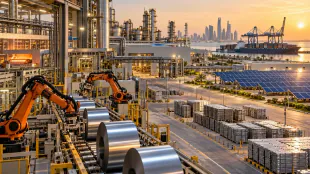
 الأسهم السعودية ترتفع بعد جلستين من الخسائر وسط ترقب نتائج الشركات

 محمد بن راشد يعلن دورة جديدة من «صناع الأمل» لعام 2026

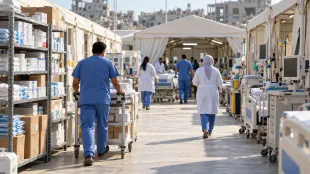 «الفارس الشهم 3» توسع خدمات العلاج والإمداد الطبي لقطاع غزة

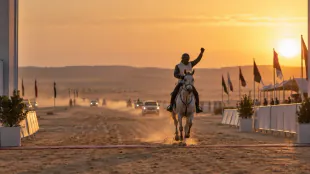 أريستانباي يفوز بكأس «ألور 2026» في سباق القدرة بكازاخستان
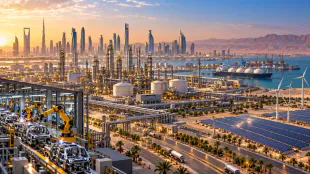
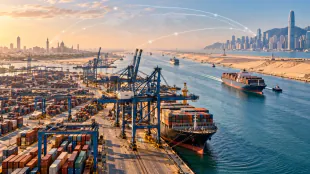
 مذكرة تعاون بين دبي وغوانغدونغ لتطوير تجارة وتصنيع الذهب والمجوهرات

 قمة الاقتصاد الأخضر تبحث تمويل التوسع في سوق عالمي يتجاوز 5 تريليونات دولار

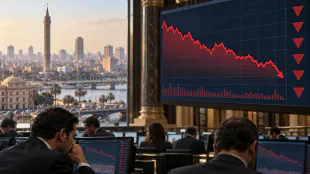 مؤشرات البورصة المصرية تهبط جماعياً في افتتاح جلسة الأحد
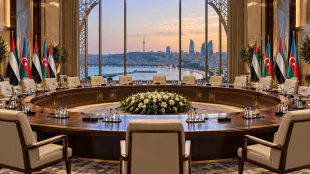 وفد إماراتي يشارك في قمة «سيكا» السابعة بالعاصمة باكو
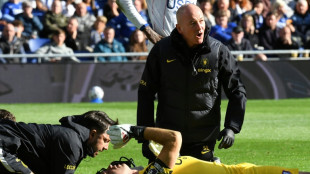 Chelsea keeper Martinez 'back in a few weeks' after jaw fracture

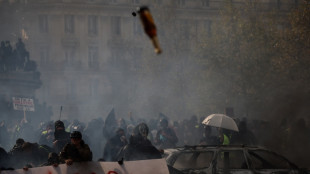 France counts cost of violent protests, 1,800 arrested

 Court to rule on first climate lawsuit against Italian state

 Vietnam signs free trade deal with four European nations
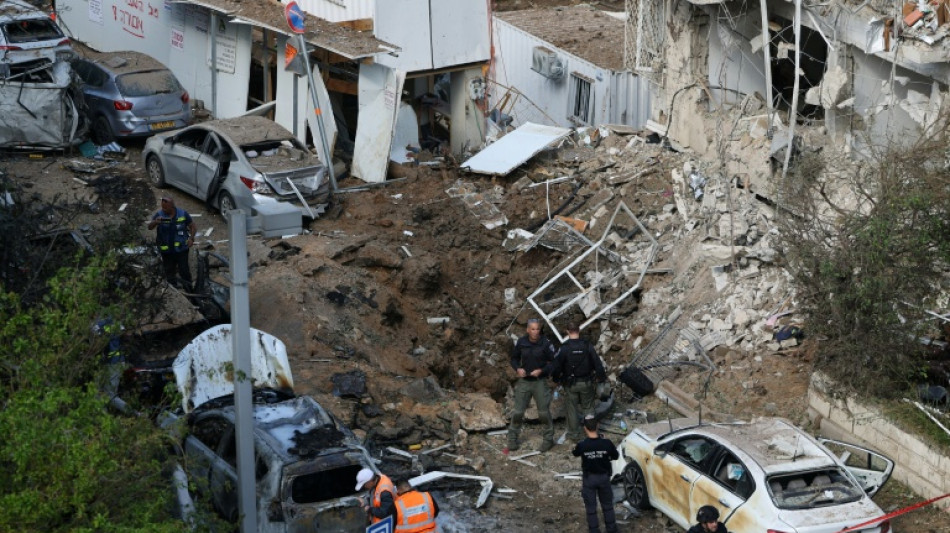
Iran fired a fresh broadside of missiles at Israel Tuesday, causing damage and injuries in Tel Aviv, as uncertainty swirled over possible talks to end the three-week Middle East war.
AFP images showed rubble-strewn streets and the side of a building in Israel's commercial hub in ruins, as first responders scrambled to assist at least four people lightly injured at four different locations.
Tel Aviv mayor Ron Huldai told reporters a "direct strike" had damaged a building in the upscale neighbourhood, with AFP video showing the facade of the three-storey block torn open.
According to several Israeli media outlets, police believe the damage was caused by a cluster munition missile equipped with three to four warheads, each carrying around 100 kilograms of explosives.
Iranian media reported US-Israeli warplanes had struck two gas facilities and a pipeline, hours after President Donald Trump stepped back from his threat to attack energy sites citing "very good" talks to end the war.
Trump said his administration was speaking with an unidentified "top person", warning if talks failed in the next five days "we'll just keep bombing our little hearts out".
But Tehran's parliamentary speaker, Mohammad Bagher Ghalibaf, reportedly involved in talks, said "no negotiations" were underway, accusing Trump of seeking "to manipulate the financial and oil markets."
Stock markets soared and oil prices saw brief respite after Trump's abrupt about-turn that came ahead of a deadline he had set to reopen the Strait of Hormuz shipping lane or see the US "obliterate" Iran's power plants.
US media outlet Axios reported US negotiators Steve Witkoff and Jared Kushner may meet an Iranian delegation for talks in Pakistan as soon as this week, with Vice President JD Vance possibly joining.
White House spokeswoman Karoline Leavitt did not deny the reports, saying "speculation about meetings should not be deemed as final until they are formally announced by the White House."
Pakistan's Prime Minister Shehbaz Sharif said Monday he spoke with Iran's President Masoud Pezeshkian, promising Islamabad's help to bring peace to the region.
"Pakistan is one of the few countries with warm ties with both Tehran and Washington," said Michael Kugelman from the Atlantic Council think tank.
"It's been engaging heavily at the highest levels with both capitals over the last year, going back to the brief Iran conflict last summer," he noted.
Traditional mediator Qatar said Tuesday it "supports all diplomatic efforts" to end the war.
- 'There's nothing left' -
Prime Minister Benjamin Netanyahu said he had spoken to Trump and acknowledged Washington thought a deal was possible, but vowed to continue striking Iran and Lebanon to protect Israel.
Israel kept up its bombardment on Beirut's southern suburbs throughout the night, while a strike on Bshamoun, south of the capital, killed two people on Tuesday, according to Lebanon's health ministry.
"There's nothing left. It's all burned or destroyed... No walls, the windows are gone, the facade is gone, all my hard work has been lost," said Abbas Qassem, 55 from Bshamoun, weeping at the damage to his flat.
In Beirut, AFP images showed smoke billowing from gutted buildings, as rescuers picked through the rubble and twisted metal.
Strikes also targeted several service stations linked to Iran-backed Hezbollah that Israel has vowed to dismantle.
Israel's attacks in Lebanon have killed more than 1,000 people, according to Lebanon's health ministry, and displaced more than a million.
The war has killed at least 3,230 Iranians, including 1,406 civilians, according to the US-based Human Rights Activists News Agency. AFP cannot access strike sites nor independently verify tolls in Iran.
The conflict has upended global energy markets, threatening a world-wide economic shock, and spiralled quickly through the region, pulling in even former safe-havens in the Gulf.
Underscoring the war's broad impact, Iraq's autonomous Kurdistan region accused Iran of killing six of its fighters on Tuesday in the first deadly attack on the regional security forces since the start of hostilities.
- 'Sudden pivots' -
Iran's neighbours had breathed a sigh of relief after Trump stepped back from his threat to target the country's power infrastructure.
Tehran had vowed to deploy naval mines and strike power and water infrastructure across the region in retaliation, threatening to escalate an energy crisis of already historic proportions.
"Trump has been a master of sudden pivots and switches. So it's sometimes hard to know if there is a strategy or if it's just always improvisation," said Garret Martin, a professor of international relations at American University in Washington.
Since the war erupted, Tehran has retaliated by throttling traffic through the Strait of Hormuz, a conduit for one-fifth of global crude, and by hitting Gulf energy sites and US embassies as well as targets in Israel.
International Energy Agency chief Fatih Birol warned if the war is protracted, daily oil losses would pave the way for a crisis worse than the combined impact of both 1970s oil shocks and Russia's invasion of Ukraine.
N.AbuHussein--SF-PST