Iran's true casualty figures unknown as internet blackout hampers monitors / Photo: - - AFP

 Dozens of orangutans saved from Indonesia blazes as region grapples with haze
 Pope addresses crowd in Vatican after cancer surgery

 انطلاق الدورة السابعة من «صناع الأمل» ومليون درهم للفائز
 التحالف يعترض صاروخين باليستيين وثلاث مسيّرات فوق مناطق سعودية

 مجلس الدفاع الوطني المصري يقر دعماً شاملاً لأمن السعودية واستقرارها
 مقتل ضابطين في تحطم مروحية استطلاع للحرس الوطني بمنطقة نجران
 «غراند كوندي» تعود للعرض في فرنسا بعد قرن على سرقتها
 أعمال توسعة واقتحامات متزايدة تثير مخاوف على الوضع القائم في الأقصى
 غزة تحيي الذكرى الثالثة لانفجار المستشفى الأهلي المعمداني

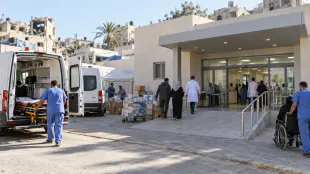
 استمرار إغلاق معبر رفح يعطل سفر مرضى وجرحى من قطاع غزة
 وزير الاستثمار المصري: القطاع الخاص يتجاوز تريليون جنيه والاستثمار الأجنبي 15 مليار دولار
 استقرار أسعار الأسماك في سوق العبور الأحد 18 أكتوبر 2026
 فانس يربط اضطرابات فرنسا بالهجرة وينتقد سياسات الديمقراطيين

 الأسهم السعودية ترتفع بعد جلستين من الخسائر وسط ترقب نتائج الشركات

 محمد بن راشد يعلن دورة جديدة من «صناع الأمل» لعام 2026

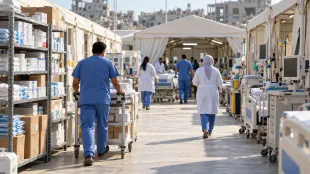 «الفارس الشهم 3» توسع خدمات العلاج والإمداد الطبي لقطاع غزة

 أريستانباي يفوز بكأس «ألور 2026» في سباق القدرة بكازاخستان

 مذكرة تعاون بين دبي وغوانغدونغ لتطوير تجارة وتصنيع الذهب والمجوهرات

 قمة الاقتصاد الأخضر تبحث تمويل التوسع في سوق عالمي يتجاوز 5 تريليونات دولار

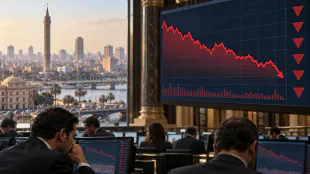 مؤشرات البورصة المصرية تهبط جماعياً في افتتاح جلسة الأحد
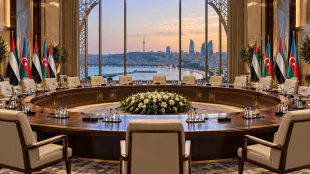 وفد إماراتي يشارك في قمة «سيكا» السابعة بالعاصمة باكو

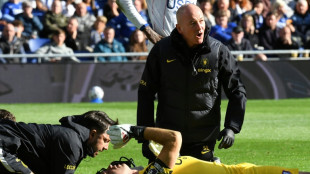 Chelsea keeper Martinez 'back in a few weeks' after jaw fracture
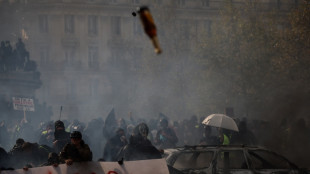 France counts cost of violent protests, 1,800 arrested

 Court to rule on first climate lawsuit against Italian state

 Vietnam signs free trade deal with four European nations
Iran has not updated its official death toll figures for weeks, while human rights groups outside the country are struggling with chronic communication problems, meaning the number of people killed during the war remains largely unknown.
The last time Iran's health ministry gave a full update about casualties was on March 8, the ninth day of the conflict, when it said around 1,200 civilians had been killed in US and Israeli airstrikes across the country.
Overseas human rights groups have long been considered one of the most reliable sources of information about life inside the heavily censored Islamic republic.
But with Iran's connections to the global internet cut off and phone lines down, they are struggling to reach their networks of contacts who are their eyes and ears on the ground.
The US-based Human Rights Activists News Agency (HRANA), which played an important role corroborating deaths during anti-government protests in January, estimates the civilian death toll at 1,407 people, including 214 children.
"I would say it's an absolute, absolute minimum, and that's simply because we don't have the capacity to be everywhere at one time, understanding the full extent of what's happening," HRANA deputy director Skylar Thompson told AFP.
"With the scale and the speed at which places are being targeted across the country, it's impossible to document it at the same pace," she added.
The Iranian Red Crescent is not providing casualty estimates, but its latest figures indicate 61,555 homes, 19,000 businesses, 275 medical centres, and nearly 500 schools have been damaged.
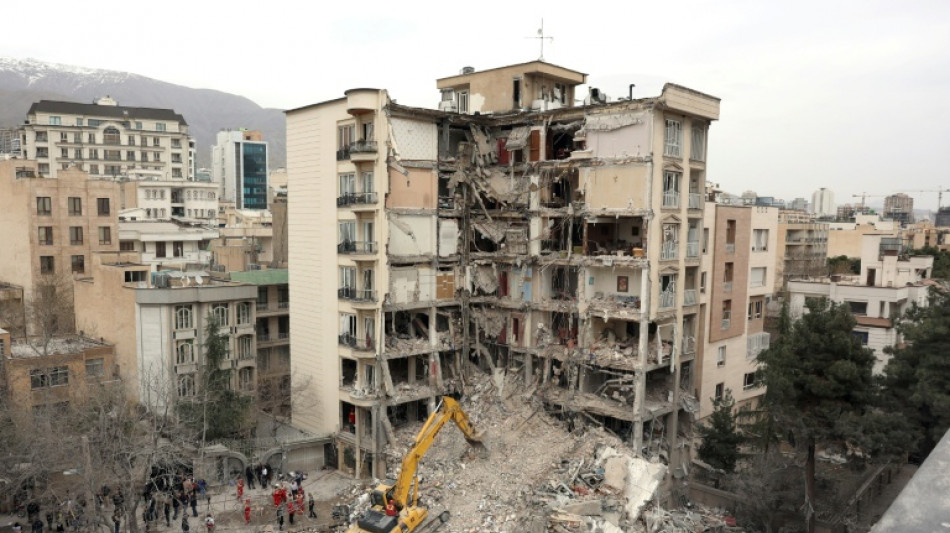
AFP journalists have been able to confirm that many civilian buildings in Tehran have been damaged, including apartment blocks caught in the blast wave of nearby missile or bomb strikes, but not beyond the city.
Reporters are unable to travel around the country without official authorisation.
- Connection problems -
Distrust of Iran's official figures is high among human rights groups, particularly after the bloody crackdown on anti-government protests in January.
Although Iran acknowledged around 3,000 deaths, mostly among security forces, researchers and campaigners outside Iran estimated that anywhere from 7,000 to 35,000 people were killed in the indiscriminate shooting.
"The Islamic republic has a history of not publishing or not collecting data," Awyar Shekhi from the Norway-based human rights group Hengaw told AFP.
The problem for Hengaw and others seeking to provide a credible alternative to the incomplete official data has been the almost-total shutdown of Iran's internet connections to the outside world since the start of the war on February 28.
"The connection is worse than it ever was before, so it's really difficult to get accurate data of how many people have been killed, and the information we get is so little," Shekhi added.
Both she and Thompson stressed that Iranian authorities have been threatening and arresting people who have illegally accessed the global internet to send information abroad, sometimes accusing them of spying.
Making telephone calls to Iran from abroad is also largely impossible.
- 'Focus on the civilian harm' -
The biggest loss of life for civilians in the war so far was the airstrike on an elementary school in Minab on the first day of the war that killed at least 165 people, according to an official toll.
A US Tomahawk cruise missile hit the school because of a targeting mistake, according to the preliminary findings of a US military investigation reported by The New York Times.
Hengaw also documented an airstrike on a flour factory in the city of western Naqadeh on March 7 that killed 11 workers and injured another 21.
"I believe that the US and Israel are using a quite aggressive interpretation of what is a military target," Thompson from HRANA added.
Unlike in January, during the anti-government protests, she said there had so far been relatively little attention in the Western media on the toll of ordinary Iranians.
"There's such a focus on the geopolitics of it all, I think it's really important to have a focus on the civilian harm," she added.
Elsewhere in the region, Lebanon's health ministry said Israeli strikes had killed 1,029 people in the country.
A total of 16 civilians have been killed by Iranian attacks in Israel and 17 civilians have been killed in Gulf countries, according to authorities and emergency services there.
T.Samara--SF-PST