-
 Boland strikes twice for Australia in rain-hit South Africa Test
-
Leeds hit back to deny Man Utd morale-boosting win

-
 Marseille put Angers to the sword in Ligue 1
-
Zelensky tells NBC 'thankful' US has unblocked intelligence sharing
-
 Albanian PM refuses to quit as violent protests enter sixth day
-
Pau see off Leicester in Champions Cup

-
 Chwalinska fights back to win Wuhan Open in title breakthrough
-
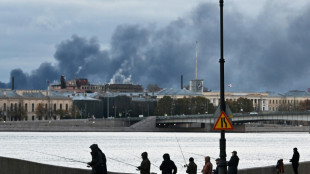
Kremlin says Ukrainian attacks won't change war aims as Kyiv hits Saint Petersburg
-
 Kulusevski on brink of return for Spurs after 17-month absence
-
Martinez starts for Man Utd after outburst

-
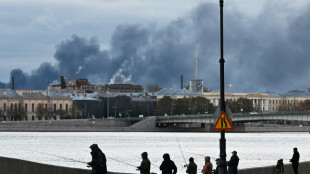 Ukraine sets Saint Petersburg refinery ablaze in large-scale drone attack
-
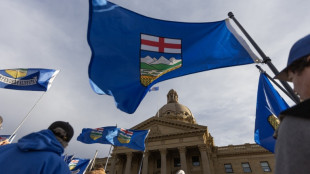
Alberta separatists rally ahead of independence vote
-
 Spain's in-form Chacarra wins DP World India Championship
-
Messi reaches 936 career goals after Inter Miami brace

-
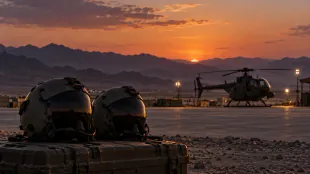 Two pilots die in Saudi coalition helicopter crash near Yemen border
-
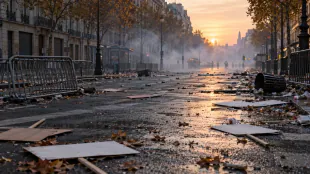
France assesses protest damage after 1,800 arrests
-
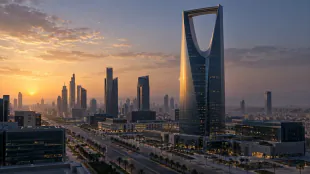 Riyadh skyscraper shifts tenants online as Houthi attacks intensify
-
Gord launches four AI tools for sustainability and emissions management

-
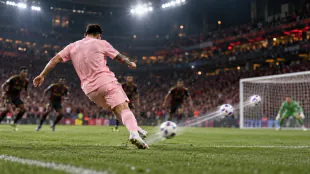 Messi scores twice as Inter Miami defeat Atlanta United 3-1
-
Doha 2036 bid sets out sport-led social legacy

-
 Qatar and Norway review bilateral ties at Oslo consultations
-
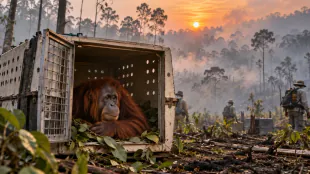
Conservation teams rescue orangutans from Indonesian wildfires
-
 Vietnam and EFTA states sign free-trade agreement in Hanoi
-
Truck ploughs into Hindu festival crowd in India, killing 13

-
 Gold closes week near $4,165 as US inflation outlook pressures market
-
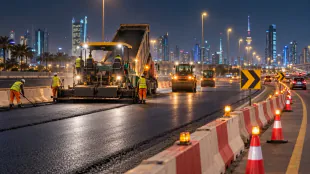
Kuwait announces maintenance closures in Nuzha, Surra and Rai
-
 PSG rally past Strasbourg to take Ligue 1 lead
-
Moody’s lifts OYO parent Prism outlook to positive before planned IPO

-
 India’s services surplus narrows as import growth overtakes exports
-
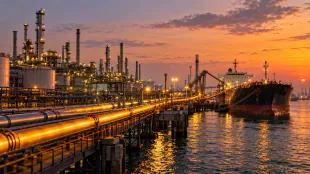
Diesel shortage raises petroleum share of India’s exports to three-year high
-
 RCom professional asks Supreme Court to revisit spectrum insolvency ruling
-
Premium products and financing drive Navratri appliance demand

-
 Debt recovery lessons after derivatives losses and repeated borrowing
-
Bandhan Financial weighs health-insurance entry after acquisitions settle

-
 Katie Alexander reportedly leaves flat shared with Eamonn Holmes
-
Robertson and Selby chase rare Home Nations sweep in Belfast

-
 Body found in search for missing Glasgow teenager
-
Arteta backs Kai Havertz to become a 30-goal Arsenal forward

-
 Andi King recounts late-life transition after decades behind an “alpha male” identity
-
Emiliano Martinez expects Chelsea return within weeks after surgery

-
 Bromsgrove Repair Cafe reports nearly 80% repair success rate
-
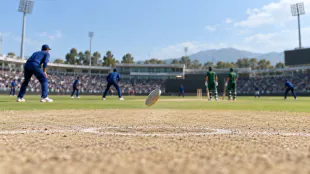
Sri Lanka choose to field against Pakistan in tri-series opener
-
 B.C. Lions focus on playoff momentum after Calgary defeat
-
AP review finds racist and antisemitic posts in forum tied to Nevada candidate

-
 PNB expects festive demand to add up to two points to quarterly credit growth
-
Indian petrol and diesel prices remain unchanged on October 18
-
 Cyient DLM drops 12% as margin concerns overshadow quarterly growth
-
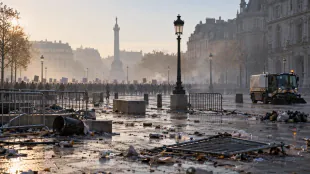
French authorities detain more than 1,000 after cost-of-living protests turn violent
-
 Bajaj Finance set to report second-quarter results on October 19
-
Australia elect to bowl against South Africa in second Test
Iran warns of 'zero restraint' amid heightened gas and oil attacks
Iranian attacks on the world's largest LNG plant in Qatar and refineries in Saudi Arabia and Kuwait sent shock waves through energy markets Thursday as the United States said there was no deadline to end the Middle East war.
Amid growing fears over the economic damage from the war, US President Donald Trump said there would be no repeat of Israel's attack on Iran's key South Pars gas field, but he warned of a furious US response if Tehran did not halt strikes on Qatar.
Iran responded that it would have "zero restraint" if its energy infrastructure was hit again.
Oil markets have already been shaken by Iran's blocking of the Strait of Hormuz.
But the international benchmark Brent surged 10 percent to $119 a barrel before falling back to $112, while European gas prices rose 35 percent, after Iranian missiles hit Qatar's huge Ras Laffan liquefied natural gas complex in retaliation for the Israeli strike on South Pars on Wednesday.
The nighttime attack on Ras Laffan, a repeated target since the start of the war on February 28, caused "extensive damage", QatarEngery said.
Qatari Prime Minister Sheikh Mohammed bin Abdulrahman Al Thani said the attack was "clear proof" that Iran was going past its vow to only target US interests in the Gulf.
And attacks blamed on Iran spread.
A drone crashed into the Samref refinery in Saudi Arabia's Red Sea port of Yanbu, the Saudi defence ministry said. The government reserved the "right to take military actions" in response.
In Kuwait, drone attacks sparked fires at the Mina Abdullah and Mina Al-Ahmadi refineries, which have a combined capacity of 800,000 barrels per day.
Even in Israel, media said an oil refinery in the port of Haifa was hit on Thursday, after the military warned of missiles launched by Iran.
- 'Zero restraint' -
Trump indicated he did not know in advance about Israel's raid on South Pars, which supplies about 70 percent of Iran's domestic needs. But he said he had told Israeli Prime Minister Benjamin Netanyahu not to hit more gas fields in Iran.
"We get along great. It's coordinated, but on occasion, he'll do something" that the United States opposes, Trump said.
Trump warned earlier that the United States would "blow up" South Pars if Tehran did not stop attacking Qatar. But he said Thursday there was no current plan to send troops into Iran.
Iran responded to the threats with defiance. The military's Khatam Al-Anbiya operational command vowed the "complete destruction" of Gulf energy infrastructure if the Israeli attack was repeated, according to a statement carried by Fars news agency.
Foreign Minister Abbas Araghchi said on social media there would be "ZERO restraint" if Iran's infrastructure was hit again.
- 'Safe passage' sought -
There is growing concern among the world's major economies over fallout from the conflict.
Britain, France, Germany, Italy, Japan and the Netherlands said they would "contribute to appropriate efforts to ensure safe passage through the Strait of Hormuz" but gave few details.
French President Emmanuel Macron condemned the "reckless escalation" in attacks and called for "direct talks between the Americans and Iranians on this matter".
UK Prime Minister Keir Starmer's office warned that "attacks on critical infrastructure risked pushing the region further into crisis", after talks with Macron and NATO chief Mark Rutte.
India and China also expressed new concern about their supplies which flow through the Hormuz strait. Fuel shortages have sparked long queues at petrol stations across Asia and increased costs around the world.
- No time frame for war's end -
US Defense Secretary Pete Hegseth said there is no time frame for ending the war, but that "we're very much on track" and Trump would choose when to end fighting.
"It will be at the president's choosing, ultimately, where we say, 'Hey, we've achieved what we need to,'" he told a Washington news conference.
Commentators said the energy attacks showed gaps between the United States and Israel over war tactics.
"The conflict is drifting into a war of attrition -- with no clear signs of regime collapse in Iran," said Danny Citrinowicz, a senior fellow at Israel's Institute for National Security Studies, on X.
The attacks "underscored just how unstructured this campaign has become -- lacking strategic clarity, long-term planning, and a defined end state".
US media said the administration could seek more than $200 billion in additional war funding from Congress.
"I think that number could move. Obviously it takes money to kill bad guys," Hegseth commented.
- Tehran queues -
Iran is meanwhile gearing up for the key holiday of Nowruz, the Persian new year, on Friday.
A US-based rights group has reported more than 3,000 people killed in Iran by the US-Israeli strikes, a figure that could not be independently verified.
In Tehran, however, there was little to suggest that the country was mired in war or that it had lost its supreme leader Ayatollah Ali Khamenei and other key officials in US-Israeli strikes.
Though security was more intense than usual Thursday, Tehran's city centre was filled with traffic jams and street vendors haggling over the price of clothes and fruit.
burs-tw/dcp
X.Habash--SF-PST