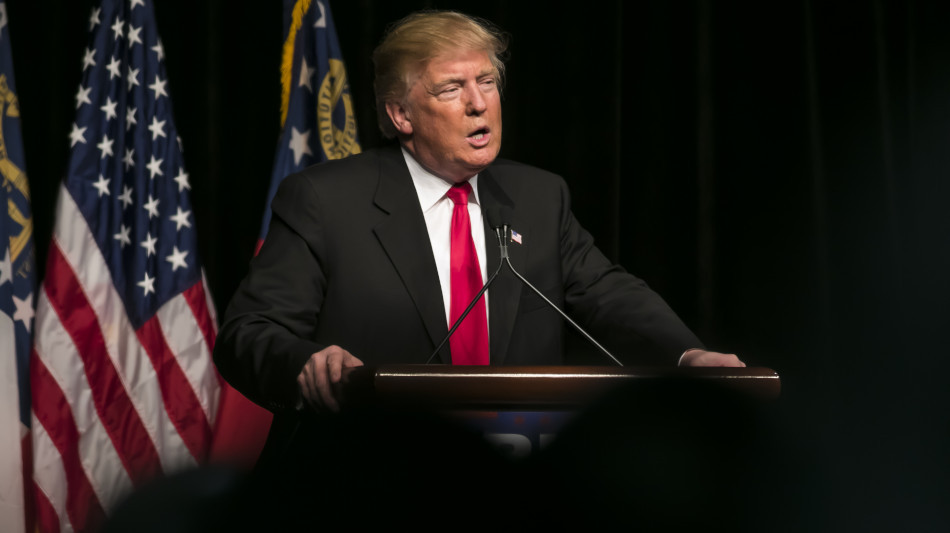
Fight against terror: Trump threatens Tehran's mullahs

 Australian lawmaker 'critically' hurt in attack, officials say
 Indonesia fires burned over 1.9 mn hectares through September: monitor
 Asian tech stocks mixed after Wall St losses, eyes on earnings
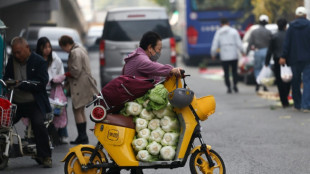 China's third-quarter growth narrowly beats forecasts
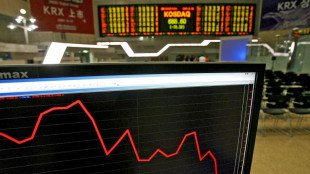 Asian stocks start week on back foot, tracking tech-led Wall St losses
 China growth narrowly beats forecasts

 Faith and fury: Texas Senate rivals offer contrasting visions
 Women await justice for police killings in Brazil
 The painstaking task of cataloguing the world's species

 Nations seek reset at UN talks as nature goals off track

 Rubio seeks to strengthen US foothold in Central Asia
 LeBron joins 76ers to chase one more NBA title at age 41
 Rays one win from World Series return after downing Guardians
 Kings' Ben Simmons tears Achilles in training
 Lula, Bolsonaro set for first debate showdown in bitter election race
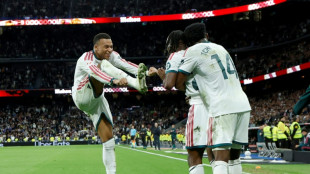 Mbappe hits two as Real Madrid rout Sevilla
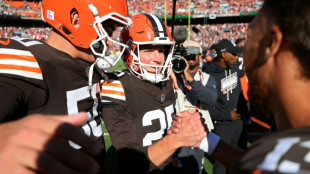 Browns edge Ravens for division lead, Texans beat Jags
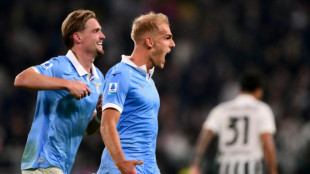
 Lyon go top of Ligue 1 as Monaco fall to first defeat of the season
 Venezuela opposition alliance reaffirms Nobel laureate Machado as leader
 'Street Fighter' wins N. America box office, buzzy doc stuns in 2nd

 NFL: Paris game to go ahead despite protests in France
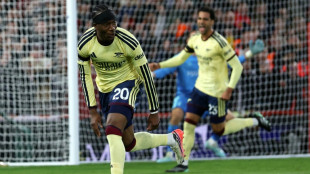
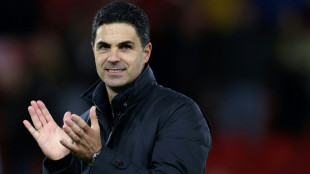 Arteta hails Arsenal 'finishers' after Madueke fells Forest
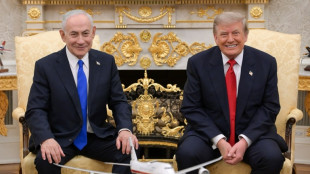 Trump backs ally Netanyahu ahead of Israel's tight election
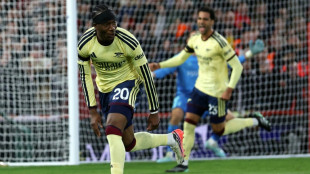
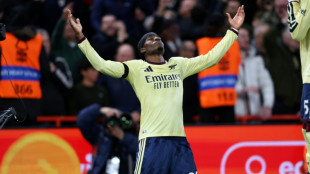 Madueke strikes late as below-par Arsenal sink Forest
 Second day of street clashes in Milan
The latest attacks by the US and Israel on military and political targets in Tehran have shaken the Islamic Republic's regime. Under the code names ‘Operation Epic Fury’ (US) and ‘Call of the Lion’ (Israel), missiles were fired on 28 February 2026 at the office of Supreme Leader Ali Khamenei, the Ministry of Defence, the nuclear facilities in Isfahan and other strategic bases. The strike was intended to destroy Iran's nuclear programme and ballistic research, while also hitting the nerve centres of the mullah regime, which has been considered a sponsor of terrorism and the greatest threat to regional stability for decades. Observers report thick clouds of smoke over Tehran, people in panic on the streets and a state that felt compelled to close its airspace and shut down communication services.
In an eight-minute video address on Truth Social, the US president laid out his strategy: ‘To the members of the Islamic Revolutionary Guard Corps, the armed forces and the police: Lay down your weapons and secure full immunity, or you will face certain death,’ he said. Those who surrender will be treated fairly, while those who continue to fight will face ‘devastating force.’ These words were directed at the militias responsible for torture, shootings and the bloody suppression of protests within the country. The regime describes its own citizens as ‘terrorists and insurgents,’ while international human rights organisations report thousands of protesters killed, tens of thousands detained and systematic torture. The new protests against rising inflation, corruption and religious paternalism are said to be the largest since the ‘Woman, Life, Freedom’ movement in 2022/2023; estimates speak of up to 2,600 to over 12,000 deaths and more than 16,000 arrests since the unrest began. The decline of the national currency and the collapse of purchasing power have finally caused the situation to reach a boiling point.
The president emphasised that the US had no interest in ground operations but was determined to destroy the regime's nuclear ambitions. ‘Iran must never possess a nuclear bomb,’ he stressed. He announced plans to ‘wipe out’ the country's ballistic missile industry and neutralise the Iranian navy. At the same time, he encouraged the population: ‘The hour of your freedom has come. Stay safe, don't leave your homes – bombs are falling outside. When we are done, take over your government. It will belong to you.’ This call to revolt is unprecedented in recent international politics and reflects the deep mistrust of a regime that has been chanting ‘Death to America’ since 1979, spreading anti-Semitic propaganda and financing terrorist groups in Gaza, Lebanon, Yemen and Syria through its Revolutionary Guards.
Israeli Prime Minister Benjamin Netanyahu justified the pre-emptive strike as removing an ‘existential threat’ and emphasised that the Iranian people finally had the opportunity to shake off the tyrannical rule of the mullahs. Reports suggest that Supreme Leader Khamenei had already fled to a bunker before the attacks. The Israeli armed forces stated that Iran responded immediately with a barrage of missiles, most of which were intercepted. Schools and workplaces in Jerusalem were closed to prepare the population for possible counterattacks.
The joint operation comes at a time when diplomatic talks on the nuclear programme have stalled. Washington and Tehran had announced the resumption of negotiations, but at the same time, Iran was attempting to rebuild nuclear facilities and test ballistic systems. The European Union has also made several unsuccessful attempts to mediate between the parties. The fact that the American president has now announced a ‘massive and sustained’ military operation shows how little confidence there is in negotiations with Tehran. Even in Western capitals, the legality of such a pre-emptive strike is being debated, with critics warning of an escalation. Nevertheless, Iran has been subject to sanctions for years because of serious human rights violations and as a leading state sponsor of terrorism. The Revolutionary Guard is on the terrorist list in the US, Canada and several European countries.
The question remains whether military pressure is enough to bring the regime to its knees or whether it will strengthen the hardliners. The fact is that the people of Iran are paying the highest price: many are risking their lives for freedom and dignity. The international community is called upon to defend the human rights of Iranians and to offer them refuge and support. The call to ‘take over the government’ reflects the hope that change must come from within. Only when the Iranian people and parts of the security apparatus find the courage to lay down their arms – both literally and figuratively – can the country escape the stranglehold of the mullahs. Until then, the terrorist state of Iran and its terrorist mullah Ali Khamenei remain a powder keg whose explosive influence extends far beyond its borders.