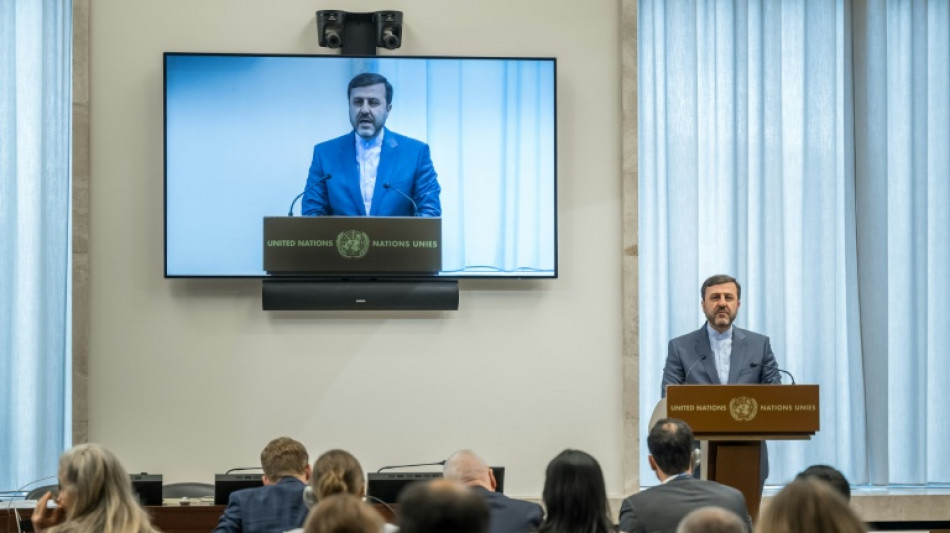
Risk of 'escalation' if Iran attacked: deputy foreign minister / Photo: Fabrice COFFRINI - AFP

 Guehi insists players have 'trust and belief' in Man City after charges
 UN climate panel head wants swift end to deadlock over key scientific report
 PM calls for curfews in France as govt grapples with unrest
 Man City's Semenyo out for up to eight weeks

 Australian lawmaker critically hurt in 'violent' vehicle attack
 England women's coach Wiegman signs two-year contract extension
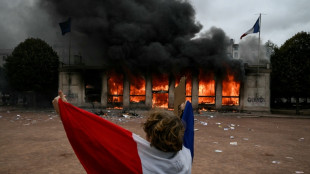 Louvre blocked as France grapples with unrest
 Bollywood actor Tiger Shroff shot at in Mumbai, three suspects held: police
 UN biodiversity summit opens with nature goals off track
 'Physical hell': Hong Kong hosts gruelling underwater hockey tournament
 Police 'lost control' during French protests, says interior minister
 Australia's new Ghost Shark submarines grow some 'teeth'
 'I call it a bribe': Pennsylvania residents spurn $10,000 data center checks
 In a former US steel city, ordinary people struggle to get by
 'Liar,' 'clown': Lula and Bolsonaro spar in Brazil poll debate
 Record El Nino? Depends who's counting
 On the front line of ocean conservation off Portugal's Madeira

 Wembanyama targets title breakthrough as NBA season tips off

 With LeBron on board it's title or bust for Philly fans
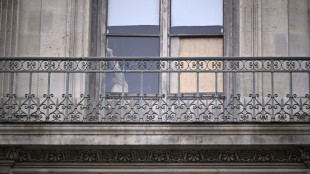 One year after Louvre heist, where are the missing jewels?

 Knicks face tall task in NBA championship repeat bid

 Warriors' Curry 'fine' after limping out of practice - Kerr

 Chervon Names Devin Murray Director of Sales - Northern Division
 Kings' Ben Simmons tears Achilles in training
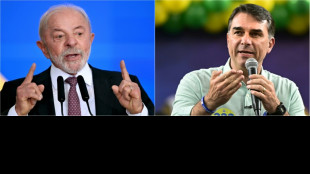 Lula, Bolsonaro set for first debate showdown in bitter election race

Iran's deputy foreign minister Kazem Gharibabadi warned of a wider escalation if his country was attacked, after US President Donald Trump raised the threat of strikes.
Trump has sent a major deployment of air and sea power to the Middle East and has threatened to strike Iran if it does not reach a deal on key concerns starting with its nuclear programme.
"We call upon all nations committed to peace and justice to take meaningful steps to prevent further escalation," Gharibabadi said at the Conference on Disarmament in Geneva.
"The consequences of any renewed aggression wouldn't remain confined to one country -- and responsibility would rest with those who initiate or support such actions."
Iranian and US negotiators held indirect talks in Geneva last week on Tehran's nuclear programme, hosted by Oman.
Washington said Monday that nuclear talks with Iran will resume on Thursday, with Oman having earlier said they would again take place in Geneva.
"The Islamic Republic of Iran remains committed to diplomacy and dialogue as the most effective path towards de-escalation and sustainable security," Gharibabadi said.
"Recent diplomatic engagement here in Geneva, which will continue this Thursday, demonstrates that a new window of opportunity exists for negotiations to address differences and build confidence -- provided that they uphold mutual respect, equitable treatment and non-selective application of international norms.
"Any sustainable and credible negotiation must respect the legitimate rights of all states under international law, and deliver tangible security benefits without coercion, unilateral demands or threats of force."
- 'Critical crossroad' -
The United States and Israel threatened new military action against Iran after mass protests in the Islamic republic, which the Iranian authorities crushed at a cost of thousands of lives.
Daniel Meron, Israel's ambassador to the UN in Geneva, told reporters his country would be following Thursday's talks "very closely".
Gharibabadi said that while Tehran sought the path of diplomacy, it was prepared to defend its sovereignty, territory and people, insisting it would exercise its right to self-defence "if necessary".
He called upon nuclear-armed states to offer legally binding security assurances for countries without atomic weapons.
Shen Jian, China's ambassador to the disarmament forum, said the Iran nuclear issue stood "at a critical crossroad".
"We oppose unilateral bullying and the use of force in international relations," he said, calling for a "favourable environment" for the ongoing diplomatic efforts.
"Avoid pushing the Iranian nuclear issue toward a confrontation or triggering new conflicts," Shen added.
O.Mousa--SF-PST