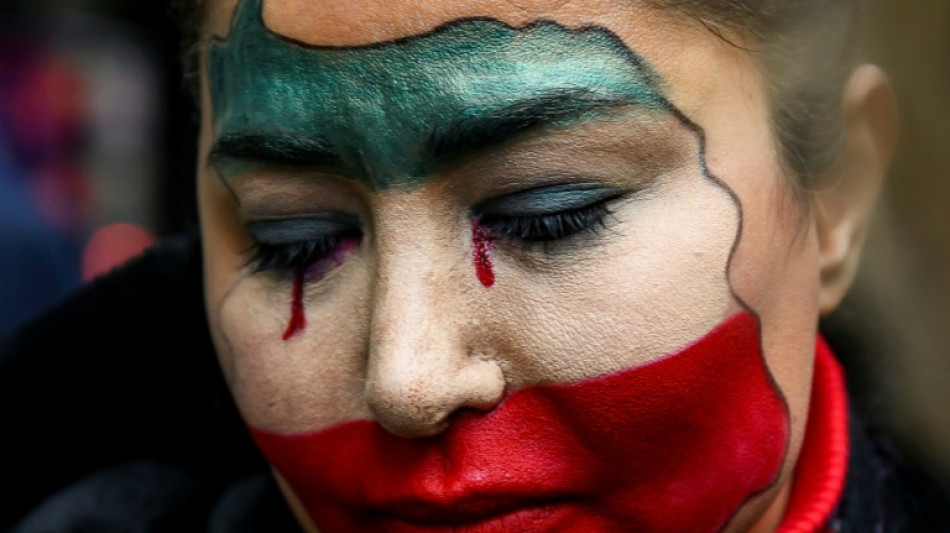
'Intimidation and coercion': Iran pressuring families of killed protesters / Photo: Yasin AKGUL - AFP

 O'Connor, Sivakov join Seixas at Decathlon CMA CGM
 Faletau left out of Wales squad for Nations Championship

 Rubio says India diversifying oil, trade deal 'very close'
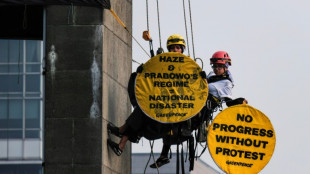
 Kemi Badenoch Proposes Ending Childcare Benefit Cliff Edge

 More Than 52,000 West Midlands Families Use Tax-Free Childcare

 Commanders Fear Serious Knee Injury for Terry McLaurin

 Rays Beat Guardians 7-3 to Secure World Series Place

 Veteran Character Actor Richard Riehle Dies at 78
 Hardik Pandya Meets Fan Who Walked 2,390 Kilometres Across India
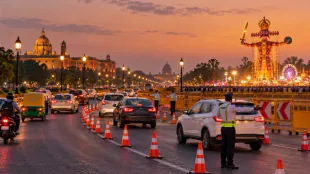
 Erling Haaland Buys Villa at Abu Dhabi’s Jacob & Co Beachfront Living

 Analysts Stay Positive on Vedanta After Hindustan Zinc’s Strong Quarter

 World Gold Council Sees Digital Gold Market Tripling by 2031

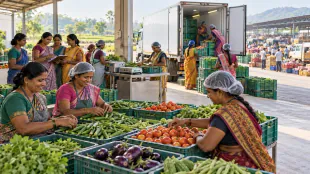 Industry Groups Outline Four Steps to Help Women Farmers Reach Markets

 Tamil Nadu and Puducherry Face Return of Very Heavy Rain

 Tamil Nadu Adds 25 State-Funded Workdays for Eligible Rural Households

 Tonbo Imaging IPO Draws Nearly 136 Times the Shares Offered

 James Maddison Leads Tottenham to First League Victory of Season

 October 20 Milestones Trace Decades of Kuwait’s Development

 Spain Housing Dispute Puts Landlords at Centre of Election Debate

 Qatar Prime Minister Opens Eighth Global Security Forum

 US Midterms Put Control of Congress and Key States at Stake

 QNB and Qatar Airways Forge Worldwide Digital Payments Alliance

 Alaraby Television Network Earns Five GEMA Award Nominations
 UN says 19 mn Afghans facing acute food insecurity by April

 An unhappy republic: France's troubles extend beyond the street

When Hossein Mahmoudi, 36, was killed during the anti-government protests in Iran, it only marked the start of the trauma for his family.
Mahmoudi was shot dead by security forces on January 8 in Falavarjan outside the central city of Isfahan, but it was only on January 16, over a week later, that his family were able to recover his body, according to Norway-based NGO Iran Human Rights (IHR), which has investigated the case.
Authorities were initially unwilling to hand over his body and only did so after warning the family not to speak publicly about the case and forcing them to pay a fee equivalent to 2,400 euros, according to IHR, which quoted a family source.
Rights groups say the family's experience is typical for many seeking to recover the bodies of loved ones from morgues which, according to videos posted on social media, have been overwhelmed by the numbers of corpses arriving.
After the crackdown on protests earlier this month left thousands dead, authorities are now using tactics not just of intimidation but also extortion against families who are already in deep grief, activists say.
Relatives are pressed for large sums of money, forced to falsely claim dead protesters were members of the security forces such as youth militia the Basij, and prevented from holding proper funerals, they charge.
- 'Compound grief with extortion' -
"Authorities have relentlessly and cruelly harassed and intimidated bereaved families of killed protesters," said Amnesty International, denouncing a "systematic campaign of intimidation and coercion".
"Relatives were told that the bodies of their loved ones would be withheld unless they paid extortionate sums of money, signed pledges or made public statements falsely declaring that their deceased relatives were members" of the Basij, it said.
The group said it was aware of at least one case where a family "has not been able to recover their relative's body more than two weeks after his death because they are unable to afford the sum demanded by the authorities".
The UN special rapporteur on human rights in Iran, Mai Sato, said on Friday she had received reports that "authorities are coercing families to falsely claim deceased relatives were Basij members allegedly killed by protesters, as well as forcing payments for body retrieval".
These are "cruel practices that compound grief with extortion", she added.
Iranian authorities acknowledge that thousands were killed during the protests, giving a toll of over 3,000, but say the majority were members of the security forces or bystanders killed by "rioters".
Rights groups dispute this, saying the toll is far higher and potentially in the tens of thousands, and saying protesters were killed by security forces directly firing on them.
- 'Large numbers of corpses' -
The Hengaw rights group highlighted the case of Ali Taherkhani, 31, who it said was shot and then clubbed by security forces in the town of Takestan northwest of Tehran.
Authorities released Taherkhani's body to his family only after they were compelled to pay the equivalent of 18,000 euros and remove condolence banners. His burial was conducted under heavy security, with only four family members permitted to attend amid a large presence of armed security forces, the rights group said.
"Many families were only able to identify the bodies of their loved ones after days of searching among large numbers of corpses in morgue cold-storage facilities," Hengaw added.
"In order to retrieve the bodies, most families were forced to either pay sums, sign coerced confessions stating that their child had been a member of the Basij, or falsely declare that the individual had been killed by protesters," it said.
Authorities have been eager to ensure that funerals -- which under Islam should take place as soon as possible -- do not themselves turn into protests.
Footage widely shared on January 11 from Behesht-e Zahra, Tehran's main cemetery, showed angry mourners chanting slogans against supreme leader Ayatollah Ali Khamenei.
"Authorities have pressured relatives into holding burials in the middle of the night in the presence of security forces," said Amnesty, adding it had also received reports of mass burials to prevent individual funerals from taking place.
L.AbuTayeh--SF-PST