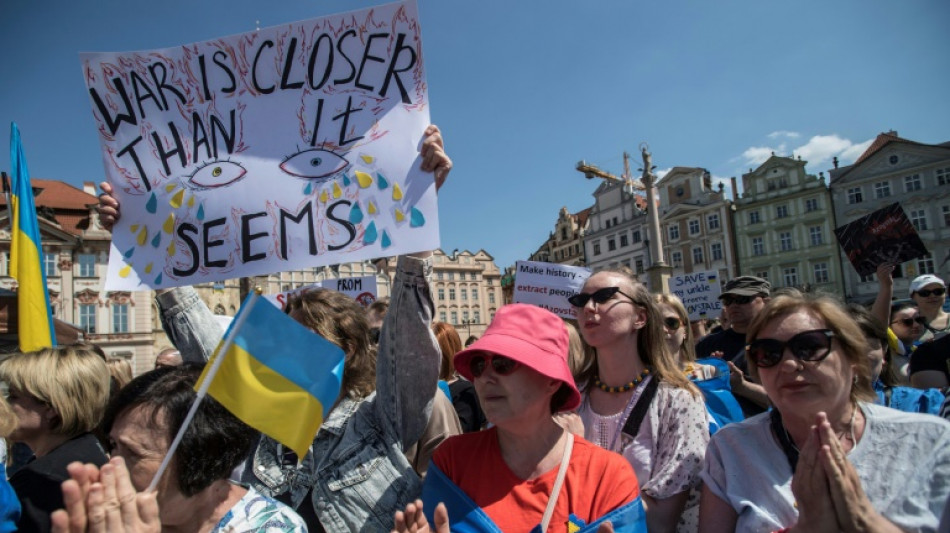
Disinformation shifting views on Ukrainian refugees / Photo: Michal Cizek - AFP

 Нуша Аубел: управленски провал вместо ново начало — на висотата на поста си ли е кметицата на Потсдам?

 Russia hails Trump waiving sanctions as 'historic'

 Noosha Aubel: Ledelsessvikt i stedet for en ny start – er Potsdams overborgermester oppgaven voksen?
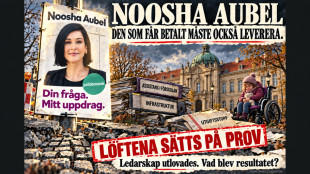
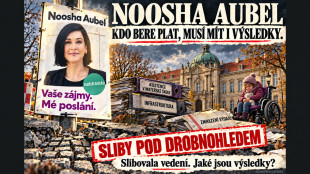 Noosha Aubel: Selhání ve vedení místo nového začátku – stačí postupimská primátorka na svou funkci?

 Haze triggers highest-level alert in parts of Southeast Asia: monitor

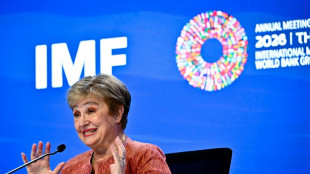 IMF chief flags 'optimism', 'worry' after Bangkok annual meetings

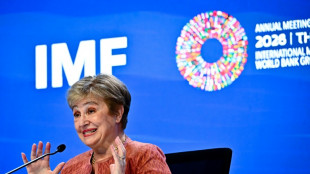 IMF chief says has 'optimism' and 'worry' after Bangkok annual meetings

 Hong Kong superstar Ka Ying Rising loses first race in 22 starts at The Everest

 Attacks on Gulf energy infrastructure 'worrying' for outlook: Pakistan finance minister

 Japan says hosting record number of foreigners

 'Two bad options': Rights groups decry IMF austerity demand

 Guardians-Rays MLB playoff game postponed until Saturday

 'We've never had this': Bear sightings spook Russia

 Injured Jordie Barrett out of second Bledisloe Cup Test

 All contenders for UN chief receive veto: diplomat

 UN climate panel fails to agree date for global warming update: envoy

 Stocks struggle to bounce back from AI angst-fueled rout

 Clashes grip Tirana as Albanian PM blames 'foreign hands'

 End of a dynasty? Dodgers digest playoff drubbing

 Troyes sack sporting director Blanchard amid sexism claims

 Trump's new press secretary out after less than week

 EU backs Ukraine on Starlink, but can't fill gap

 Itauma coming to terms with Hrgovic heavyweight loss

 NBA tells sportsbooks to ban certain bets and parlays: report

 US influence, AI and mistrust cloud Alberta independence vote

When Dominika Sokur speaks to her children in the playground, she overhears hostile reactions that she believes are being fuelled by disinformation.
"When we come to the playground, people go: 'Ah, the Ukrainians have come, let’s get out of here'," said Sokur, 41, a Czech married to a Ukrainian who lives in the town of Holubice north of Prague.
"I have overheard them complaining that we get to ride buses and visit the zoo for free."
The attitude illustrates rising resentment against Ukrainian refugees in parts of Europe that experts link to false social media posts about Ukrainian refugees and the benefits they receive.
"Even my 65-year-old dad, who is not pro-Russian and supports Ukraine, is asking me what's all this talk about Ukrainian Nazis. The disinformation is simply everywhere," Sokur said.
Since Russia invaded Ukraine in February, European nations have taken in almost six million refugees, according to the UN refugee agency.
Countries including the Czech Republic, Poland, Romania and Slovakia opened their borders, homes and wallets to help those fleeing the war.
But runaway inflation, especially rampant in eastern Europe, has created a sense of economic dread that feeds disinformation portraying refugees as ingrates syphoning off resources from needy locals.
- Disinformation across borders -
From Warsaw to Bucharest, social media have been flooded with images of luxury cars with Ukrainian license plates and unsourced, anonymous claims that wealthy-looking Ukrainians have been spotted standing in line for government aid.
Comments express resentment and anger against the politicians supposedly helping Ukrainians instead of taking care of their own population.
The online claims vary from country to country, but they carry the same underlying message: Ukrainians are taking resources away "from us".
"Refugees are always mentioned in the context of non-working immigrants waiting for benefits, luxury cars and so-called 'health or benefit tourism'," the Czech Elves, a network of several hundred volunteers monitoring online disinformation, said in their June report.
In Poland a recent article on a blog known to spread disinformation misleadingly claimed that Ukrainian refugees were getting free shopping vouchers while needy Poles were left empty-handed.
In Romania, a Facebook post said sweepingly that "90 percent of those who cross the border are from the rich class, those who can afford to give 1,000-1,500 euros bribe to Ukrainian customs to cross over to us".
In the Czech Republic, which has accepted the biggest number of refugees per capita, a viral post falsely stated that a Ukrainian family of four can collect as much as 90,000 koruna (about $3,700) per month in aid -- far more than the income of an average Czech family.
Contrary to stereotypes shared on social media, most Ukrainian refugees start looking for work almost immediately after they reach the Czech Republic and often accept manual jobs in construction, healthcare or as cleaning personnel, according to data from the Czech labour office.
- Economic squeeze fuels resentment -
It is difficult to identify the main spreaders of such disinformation targeting Ukrainian refugees but such posts often feature on accounts linked to far-right parties.
Whipping up anti-Ukrainian sentiment bears the hallmarks of Russian propaganda, according to Gesine Schwan, political science professor and former presidential candidate for Germany’s Social Democratic Party (SPD) who has written extensively about refugees.
"Russia is extremely good at taking something that happened and misinterpreting it in such a way that it creates resentment," Schwan told AFP in a telephone interview.
"(President Vladimir) Putin knows that the war he's waging has provoked moral outrage. So he is trying to justify it by painting Ukrainians as the morally deficient ones."
So far, the impact of such propaganda and disinformation has been limited but that can change quickly as economic woes worsen, said Nikola Horejs, the director of international affairs at the STEM sociological research institute in Prague.
STEM's research shows that support for Ukraine, while still relatively high, has been rapidly decreasing in the past few weeks, he said, falling by as much as 100,000 people per week among the Czech Republic’s 10.7 million people.
"There is a great fear among people that this exodus will ruin our countries economically," Horejs said.
"The disinformation scene has adjusted. Their narrative is no longer that Putin is good or that the war doesn't exist; the main theme now is that the governments are not addressing people's economic problems, but helping Ukrainians instead."
S.Barghouti--SF-PST