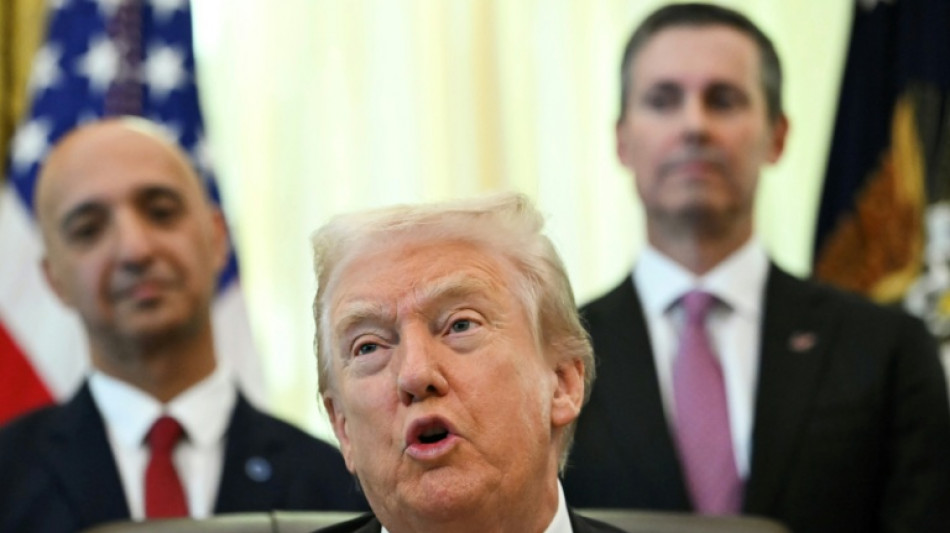
Trump unveils deals to lower costs of some weight-loss drugs / Photo: ANDREW CABALLERO-REYNOLDS - AFP

 Netanyahu orders West Bank closure as attack wounds Israelis before election
 Asian stocks mixed ahead of weekend as tech recovers early losses

 How five Boeing 777s linked Madagascar's power elite to Iran
 South Korea proposes holding border talks with North
 Ukraine's young figure skaters twizzle on despite Russian threat

 Asian football endorses Infantino re-election as FIFA president
 Complete Kane hopes for 'special night' as Ballon d'Or rumours swirl
 Rooney calls United squad 'selfish babies' after Fernandes criticism
 Teddy Wilson, son of World Cup-winner David, gets Wallabies call-up

 New Zealand military chief resigns over 'inappropriate relationship'

 Man Utd's Carrick on borrowed time, free-scoring Brighton face Liverpool
 Asian stocks head into weekend on a low as tech extends losses

 'Generational rage': Young Europeans fight to be heard
 Lula, Bolsonaro to clash once more before Brazil vote

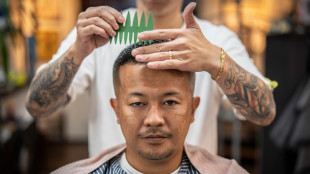 Dressed to kill: Haircuts cap menacing look of Japan's yakuza

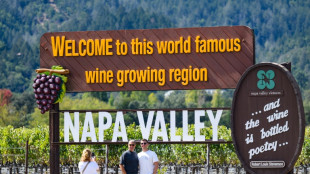 Napa Valley's wineries feel Trump's tariff squeeze
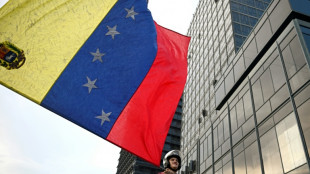 Venezuela protests demand return of Nobel winning leader Machado
 Marquez tops incident-packed opening practice for Australian MotoGP
 New York votes to ban Central Park horse carriages after decades of debate
 Australia face selection headaches after 'shambolic' South Africa defeat

 Around 150,000 rally in Belgrade as Serbia heads to pivotal poll

 Hamilton sets sights on racing in African grand prix

 Bournemouth hammer 10-man Milan, Juventus denied at the death
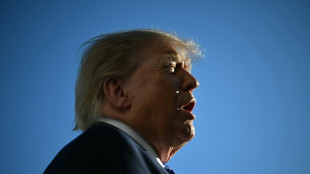 Judge orders Trump to give deposition in BBC lawsuit by Dec 11
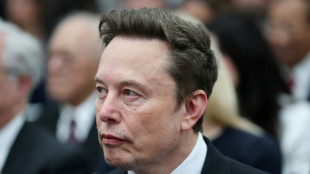
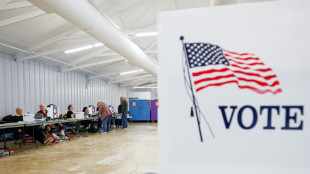 'Fake' pollsters hit US midterms

US President Donald Trump announced deals Thursday with pharmaceutical giants Eli Lilly and Novo Nordisk to lower the prices of some popular weight-loss drugs, in exchange for relief from threatened tariffs.
Both companies "have agreed to offer their most popular GLP-1 weight-loss drug," Trump said at the White House, "at drastic discounts."
"Eli Lilly and Novo Nordisk are committing to offer Zepbound and Wegovy at 'Most Favored Nation' rates for American patients," Trump added, saying this will lower the costs of both products for those eligible.
During the announcement event in the Oval Office, a company representative standing behind Trump collapsed. He was later examined by Mehmet Oz, Trump's administrator for the Centers for Medicare and Medicaid Services, who said he was okay.
The new generation of appetite-suppressing drugs using GLP-1 agonists -- which include the brands Ozempic, Wegovy and Mounjaro -- have exploded in popularity in recent times due to their ability to help people lose weight.
But the sky-high prices of such drugs, which can cost over $1,000 a month in the United States, have raised concerns.
- 'A triumph for American patients' -
The latest move is set to cut costs of starting oral doses of GLP-1s to as low as around $150 for certain groups of people once approved, a senior US official said.
"It's a triumph for American patients that will save lives and improve the health of millions and millions of Americans," Trump told reporters.
This price would apply to those on Medicare -- which is for seniors -- the safety net Medicaid, or via the direct-to-consumer website TrumpRx once it launches, the official added.
But the costs for injectables would be higher.
US officials said that the direct-to-consumer channel will see costs of injectable GLP-1s start at an average of $350, and that this should scale down over time.
Starting around the middle of next year, Medicare and Medicaid coverage for the injectable drugs will begin at $245 for those meeting certain medical criteria. Medicare copayment for eligible beneficiaries will be $50.
In exchange, the pharmaceutical companies will have certainty around tariff issues and access to beneficiaries who otherwise would not be covered by Medicare for obesity issues, an official added.
The three-year grace period from expected pharmaceutical tariffs threatened by Trump is similar to deals struck by Pfizer and AstraZeneca. Both had also reached agreements to lower drug costs in exchange for tariff relief.
Trump has revived drug pricing efforts from his first presidential term, taking steps since returning to the White House to pressure pharmaceutical companies into voluntarily lowering their prices.
Over the summer, he sent letters to 17 drugmakers, calling for them to lower prices or face punishment -- a move meant to give Americans relief from medicine costs much higher than elsewhere in the world.
Trump has previously threatened tariffs of 100 percent for branded pharmaceutical products unless companies were building manufacturing plants in the United States.
C.AbuSway--SF-PST