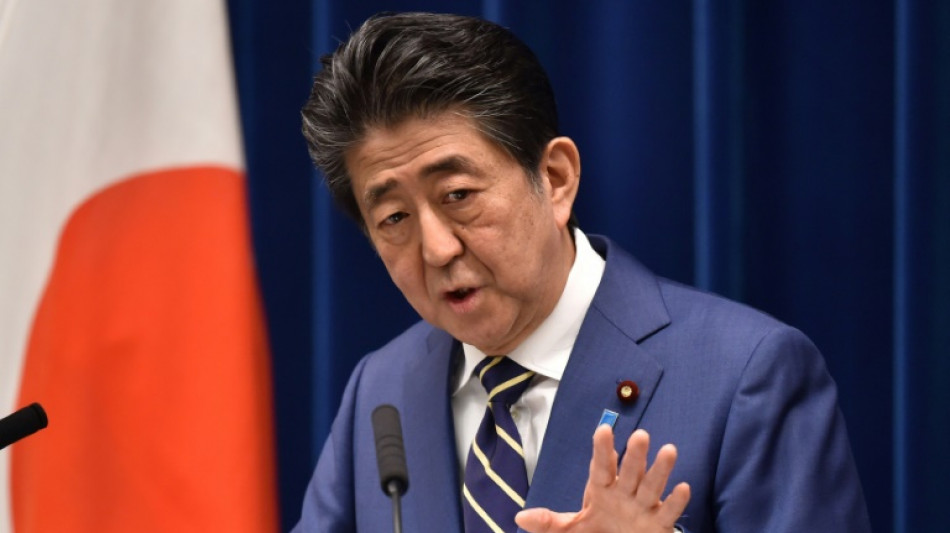
Shinzo Abe: Japan's longest-serving prime minister / Photo: Kazuhiro NOGI - AFP/File

 Liverpool still have 'lots to improve', says match-winner Isak

 Looters ransack shops during France cost-of-living protests

 Leinster thump Clermont as grieving Lions set for Champions Cup debut
 Haaland stars in Man City win, Liverpool beat Brentford

 Dortmund go top despite Union Berlin stalemate
 Venezia upset Napoli for first Serie A win of season
 Glasgow and Bulls win as grieving Lions set for Champions Cup debut

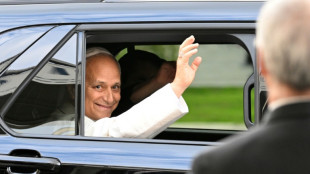 Smiling pope returns to Vatican after cancer surgery

 In-form Atletico scrape late win at Espanyol

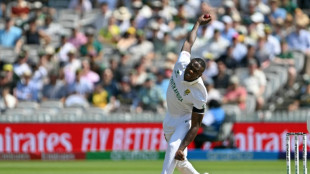 Rabada returns as S.Africa seek to bounce back against Australia

 Zverev, Medvedev ousted with Spaniards to clash for Shanghai title
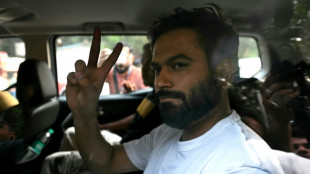
 French protesters clash with police during nationwide demonstrations
 Zelensky says Trump could lift more Russia sanctions

 Jayawardene quits as coach of five-time IPL winners Mumbai
 World number 170 Kartal battles past Ostapenko to reach Wuhan final

 Pope to return to Vatican after cancer surgery

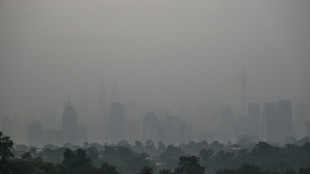
 Haze triggers highest-level alert in parts of Southeast Asia

 I'd have left Real Madrid if I were Vinicius, says Mourinho

 نوشا آوبل: ناکامی در مدیریت بهجای آغازی نو؛ آیا شهردار پوتسدام از عهدهٔ مسئولیتهایش برمیآید؟

 Noosha Aubel: eșec la conducere în locul unui nou început – este primărița Potsdamului la înălțimea funcției sale?
 Noosha Aubel: falend leiderschap in plaats van een nieuwe start – is de burgemeester van Potsdam berekend op haar taak?

 Noosha Aubel: Misslyckat ledarskap i stället för en nystart – är Potsdams överborgmästare vuxen uppgiften?

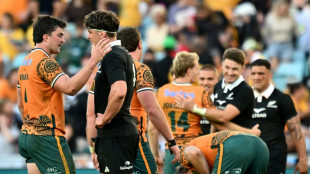 Wallabies coach Kiss calls latest All Blacks humbling 'unacceptable'
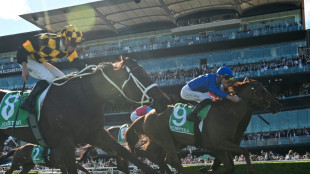 Superstar horse Ka Ying Rising loses first race in 22 starts at The Everest
 Rampant All Blacks crush Wallabies 43-21 to extend dominance
Shinzo Abe smashed records as Japan's longest-serving prime minister, championing ambitious economic reform and forging key diplomatic relationships while weathering scandals.
Nearly two years after poor health forced him to leave office, the 67-year-old was feared dead after apparently being shot during a campaign event on Friday.
Abe was a sprightly 52 when he first became prime minister in 2006, the youngest person ever to occupy the job.
He was seen as a symbol of change and youth, but also brought the pedigree of a third-generation politician groomed from birth by an elite, conservative family.
Abe's first term was turbulent, plagued by scandals and discord, and capped by an abrupt resignation.
After initially suggesting he was stepping down for political reasons, he acknowledged he was suffering an ailment later diagnosed as ulcerative colitis.
- They called it 'Abenomics' -
The debilitating bowel condition necessitated months of treatment but was, Abe said, eventually overcome with the help of new medication.
He ran again, and Japan's revolving prime ministerial door brought him back to office in 2012.
It ended a turbulent period in which prime ministers changed sometimes at the rate of one a year.
With Japan still staggering from the effects of the 2011 tsunami and subsequent nuclear disaster at Fukushima -- and a brief opposition government lashed for flip-flopping and incompetence -- Abe offered a seemingly safe pair of hands.
And he had a plan: Abenomics.
The scheme to revive Japan's economy -- the world's third-biggest, but more than two decades into stagnation -- involved vast government spending, massive monetary easing, and cutting red tape.
Abe also sought to boost the country's flagging birth rate by making workplaces more friendly to parents, particularly mothers.
He pushed through controversial consumption tax hikes to help finance nurseries and plug gaps in Japan's overstretched social security system.
While there was some progress with reform, the economy's bigger structural problems remained.
Deflation proved stubborn and the economy was in recession even before the coronavirus struck in 2020.
Abe's star waned further during the pandemic, with his approach criticised as confused and slow, driving his approval ratings down to some of the lowest of his tenure.
- Political storms -
On the international stage, Abe took a hard line on North Korea, but sought a peacemaker role between the United States and Iran.
He prioritised a close personal relationship with Donald Trump in a bid to protect Japan's key alliance from the then-US president's "America First" mantra, and tried to mend ties with Russia and China.
But the results were mixed: Trump remained eager to force Japan to pay more for US troops stationed in the country, a deal with Russia on disputed northern islands stayed elusive, and a plan to invite Xi Jinping for a state visit fell by the wayside.
Abe also pursued a hard line with South Korea over unresolved wartime disputes and continued to float plans to revise Japan's pacifist constitution.
Throughout his tenure, he weathered political storms including cronyism allegations that dented approval ratings but did little to affect his power, in part thanks to the weakness of the opposition.
Abe had been due to stay on until late 2021, giving him an opportunity to see out one final event in his historic tenure -- the postponed Tokyo 2020 Olympics Games.
But in a shock announcement, he stepped down in August 2020, with a recurrence of ulcerative colitis ending his second term too.
B.Khalifa--SF-PST