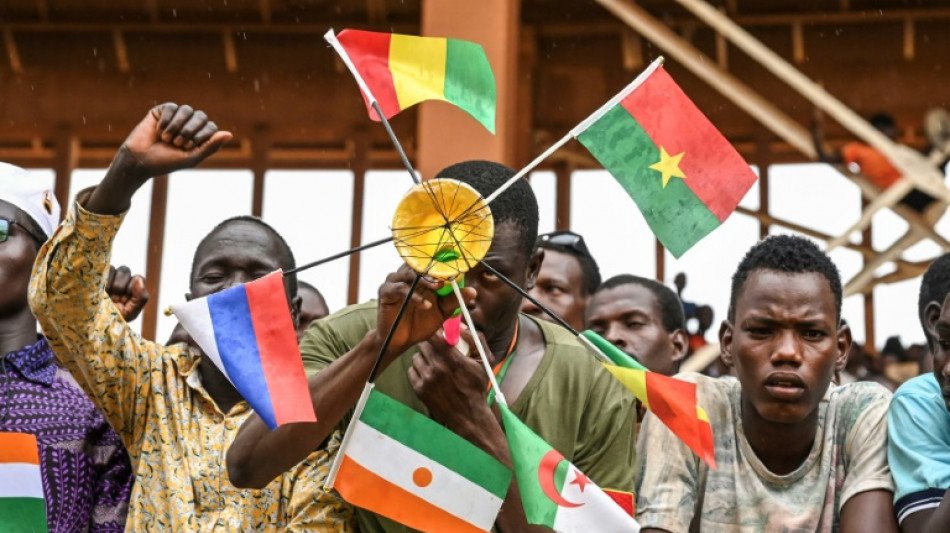
Russia steps out from shadows in Africa with state paramilitary / Photo: - - AFP

 Panama Canal considering more cuts in transits due to El Nino

 Maresca agrees with Haaland that players started season jaded

 Hurricane warning issued for westernmost Hawaiian islands

 UK PM denounces 'politics of poison' after anti-migrant protests
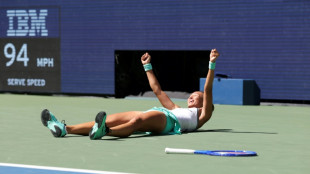 Comeback queen Zheng strikes again for US Open quarter-final berth
 Third absence for injured Hadjar as Lawson fills in again in Spain
 Far-right victory in Germany draws protesters in Berlin
 CapTLX Launches Institutional Gateway to U.S. Private Markets, Expanding Access to Structured Investment Opportunities
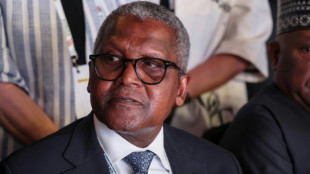 Africa's richest man eyes continent's largest IPO
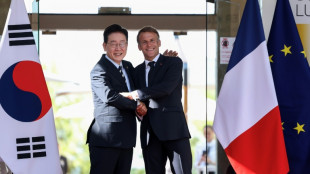 Macron, SKorea leader warn at film summit of AI risks to creativity

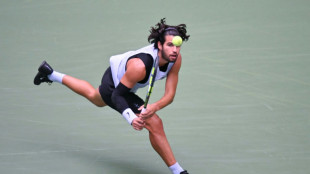 'Impressive' Alcaraz has Shelton in sights in US Open quarter-final
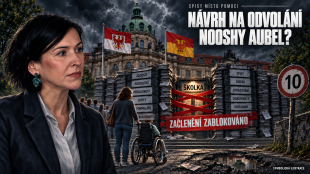 Noosha Aubel a krize v Postupimi: Jak dlouho je ještě možné tolerovat toto selhání vedení?
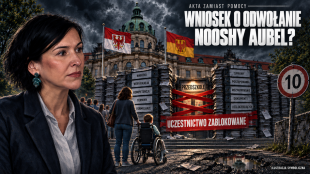
 Η Noosha Aubel και η κρίση του Πότσνταμ: Για πόσο ακόμα είναι ανεκτή αυτή η διαχειριστική αποτυχία;
 ヌーシャ・オーベルとポツダムの危機:この指導力の欠如は、いつまで容認され続けるのか?
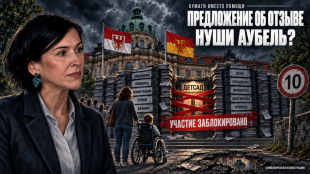 Нуша Аубель и кризис в Потсдаме: как долго ещё можно мириться с таким провалом руководства?
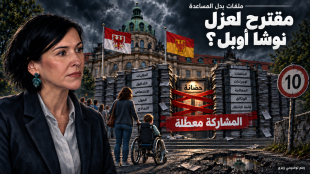
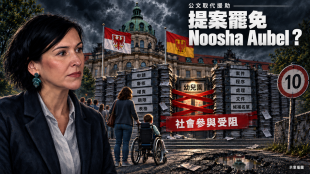 努莎·奧貝爾與波茨坦的危機:這種領導失職還能容忍多久?
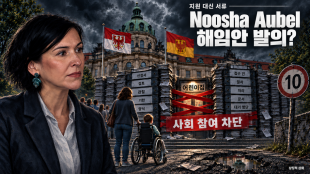
 नूशा ऑबेल और पॉट्सडैम का संकट: नेतृत्व की इस विफलता को और कितना सहन किया जा सकता है?
 England quick Archer in 'good place' after injuries
 Robots protest rampant AI in Poland
 Rare woman director in Venice sees industry backsliding on gender
 France, SKorea warn at film summit of AI risks to creativity
 Z Traders Introduces New Funding Model Designed to Expand Opportunities in Trading

 Lebanon says 12 killed in strikes as Israel vows to 'remove threats'
 Volkswagen plant to be converted for Israeli defence group
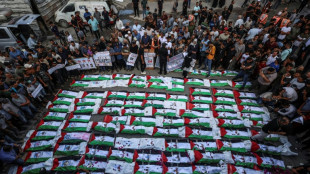 Israeli rubble-clearing in Gaza could erase 'atrocity crimes' evidence: UN expert
With the rise of a paramilitary force that analysts say is controlled by the Kremlin, Russia is openly expanding its state military footprint in Africa, after years of distancing itself from mercenaries deployed on the continent to support pro-Russian rulers.
Russia is using the Africa Corps force to increase its influence in particular in francophone west Africa where the presence of former colonial master France is dwindling.
Africa Corps, which is believed to be run by the Russian defence ministry, is stepping up its presence and filling the gap left by Wagner, the mercenary group founded by the late Yevgeny Prigozhin, which announced its departure from Mali in early June.
The Kremlin always denied it was behind Wagner, whose founder died in a plane crash in 2023 after earlier that year leading his fighters in an unprecedented but short-lived rebellion where they advanced towards Moscow.
"The usage of plausible deniability is now replaced by managed visibility," Tbilisi-based security researcher Nicholas Chkhaidze told AFP.
"The transfer of Wagner assets in Mali to Africa Corps, which is a state-coordinated mechanism of influence is more than symbolic, as it demonstrates a strategic transition from proxy to a power chain operated by the government."
Africa Corps is expanding its presence as Mali, Burkina Faso and Niger, which are led by juntas who seized power in coups between 2020 and 2023, have turned away from France and moved closer to Russia.
Kremlin spokesman Dmitry Peskov said Moscow intended to develop comprehensive cooperation with African countries. "This cooperation also extends to such sensitive areas as defence and security," he said.
- 'Myriad risks' -
Wagner, whose brutal methods have been denounced by rights groups, is Russia's best-known mercenary group.
Following Prigozhin's death, the Russian defence ministry has worked to incorporate Wagner units and dismantle some of its operations.
According to the RAND Corporation, a research organisation, Russian mercenaries are clearly present in five countries apart from Mali: Burkina Faso, Libya, Niger, Sudan, and the Central African Republic.
Christopher Faulkner, of the US Naval War College, said the transition was both a pragmatic and a symbolic step.
"The handover to Africa Corps means that Russia is comfortable having a ministry of defence asset openly operating there," he told AFP.
According to the Institute for the Study of War, the Central African Republic is the "last bastion" of Wagner operations in Africa, with the Russian defence ministry trying to replace Wagner with Africa Corps there, too.
Beverly Ochieng, an Africa analyst at the Center for Strategic and International Studies, said the Kremlin sees the Sahel as a region where the Russians can have a geopolitical strategic presence and counter Western influence.
"The Kremlin will continue to provide direct support to Africa Corps, they'll continue sending in shipments of equipment and weapons," she said.
"We'll see a steady pace of violence by the Al-Qaeda group in resistance to the involvement of Russia," she added.
However, the Institute for the Study of War warned the shift to more overt Russian state presence in Africa could lead to "myriad domestic and geopolitical risks for the Kremlin".
"The risk to Russian prestige may lead Russia to get more deeply entrenched in long-term conflicts to 'save face', which would ensnare the Kremlin in its own series of 'forever wars'", the think tank said.
"Wagner was more immune to such long-term entanglements and even abruptly withdrew from places, such as Mozambique, when the benefits outweighed the costs."
- 'Brutal tactics' -
Analysts do not expect tactics of the Russian paramilitary groups to change despite the shift, pointing to human rights violations.
"It is not unlikely to expect that the Africa Corps could present a more professional approach, but the operational playbook of including violence will remain intact," said Chkhaidze.
"The brutal counterinsurgency tactics, such as massacres and collective punishment, are structural, not just personal," he added.
According to the RAND Corporation, at least half of Africa Corps' personnel are Wagner veterans, with priority given to those who fought in Ukraine, many of them former convicts.
According to a report published last week by a journalist collective, in its more than three years in Mali, Wagner kidnapped, detained and tortured hundreds of civilians.
The victims, who were interviewed by a consortium of reporters led by investigative outlet Forbidden Stories, spoke about waterboarding, beatings with electrical cables and being burned with cigarette butts.
Bakary Sambe, executive director at the Timbuktu Institute think tank in Dakar, said for Malians the distinction between the two Russian paramilitary groups was largely artificial.
"In the eyes of the population, this is merely a name change with no positive developments in one of the worst security situations in 10 years," Sambe said.
U.Shaheen--SF-PST