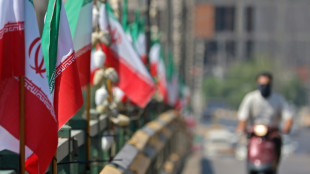
Iranians buying supplies in Iraq tell of fear, shortages back home
/ Photo: Shwan MOHAMMED - AFP

 Rybakina tops Osaka, sets US Open quarter-final clash with Zheng

 Panama Canal considering more cuts in transits due to El Nino

 Maresca agrees with Haaland that players started season jaded

 Hurricane warning issued for westernmost Hawaiian islands

 UK PM denounces 'politics of poison' after anti-migrant protests

 Comeback queen Zheng strikes again for US Open quarter-final berth

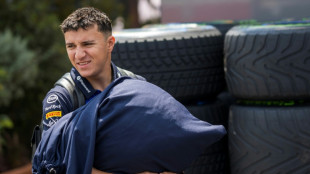 Third absence for injured Hadjar as Lawson fills in again in Spain

 Far-right victory in Germany draws protesters in Berlin

 CapTLX Launches Institutional Gateway to U.S. Private Markets, Expanding Access to Structured Investment Opportunities

 Africa's richest man eyes continent's largest IPO
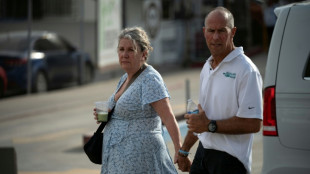
 Macron, SKorea leader warn at film summit of AI risks to creativity

 'Impressive' Alcaraz has Shelton in sights in US Open quarter-final

 Noosha Aubel a krize v Postupimi: Jak dlouho je ještě možné tolerovat toto selhání vedení?

 Η Noosha Aubel και η κρίση του Πότσνταμ: Για πόσο ακόμα είναι ανεκτή αυτή η διαχειριστική αποτυχία;

 Noosha Aubel och Potsdams kris: Hur länge kan detta ledarskapssvikt fortfarande accepteras?

 Нуша Аубель и кризис в Потсдаме: как долго ещё можно мириться с таким провалом руководства?

 努莎·奧貝爾與波茨坦的危機:這種領導失職還能容忍多久?

 नूशा ऑबेल और पॉट्सडैम का संकट: नेतृत्व की इस विफलता को और कितना सहन किया जा सकता है?

 England quick Archer in 'good place' after injuries

 Robots protest rampant AI in Poland

 Rare woman director in Venice sees industry backsliding on gender

 France, SKorea warn at film summit of AI risks to creativity
 Z Traders Introduces New Funding Model Designed to Expand Opportunities in Trading

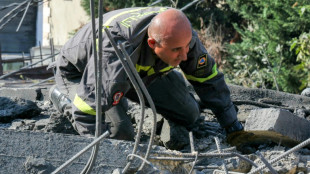 Lebanon says 12 killed in strikes as Israel vows to 'remove threats'

 Volkswagen plant to be converted for Israeli defence group
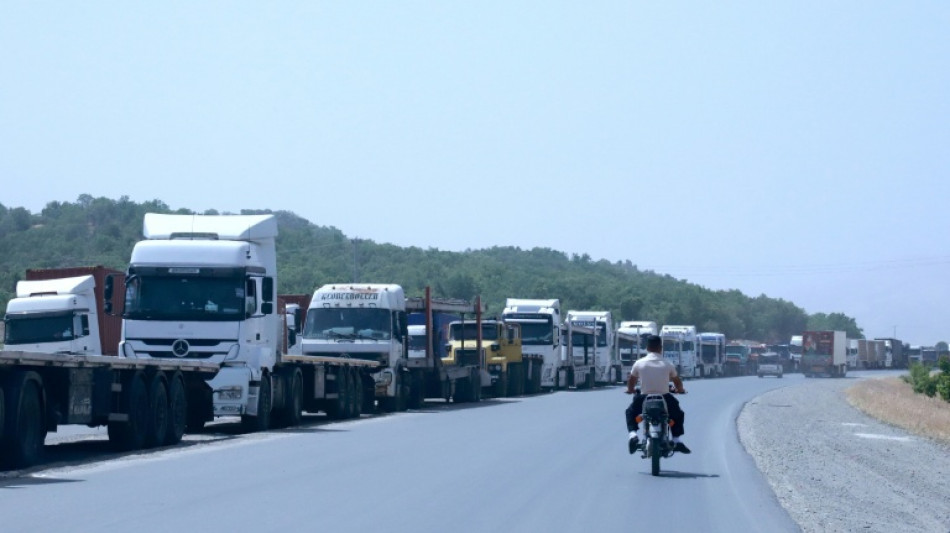
Near the once-bustling Iraqi border crossing of Bashmakh, Iranian driver Fatah stocked up on rice, sugar and tea, staples that have become increasingly hard to get back home.
Fatah -- who like others in this story is being identified by a pseudonym -- was among dozens of truck drivers waiting impatiently to cross back into Iran from Iraq's northern Kurdistan region, hauling not only their commercial cargo, but also essential goods for their families after days of Israeli attacks.
AFP spoke with at least 30 Iranians near the Bashmakh crossing. They all refused to be interviewed on camera, and the few who agreed to describe life back home asked to remain anonymous for fear of reprisals back in Iran.
"There are shortages of rice, bread, sugar and tea," Fatah said Tuesday.
Finding fuel has also become a major problem, with long queues of cars waiting hours in front of gas stations hoping the fuel did not run out, the 40-year-old driver added.
A long journey awaits Fatah, who must deliver his load of asphalt to the Iranian port of Bandar Abbas about 1,700 kilometres (1,060 miles) away, before turning around and driving almost the same distance back to the western city of Marivan, where his family lives and which has so far been spared bombardment.
But "my route passes near the Natanz nuclear facility", Fatah said, referring to one of Iran's underground uranium enrichment sites that Israel has struck several times since the start of its campaign last week.
- Panic buying -
Israel launched a devastating surprise attack on Friday targeting Iran's military and nuclear sites and killing top commanders and scientists.
Israel says its attacks are aimed at preventing Iran from obtaining a nuclear weapon, an ambition Tehran denies.
At least 224 people, including women and children, have been killed in the Israeli strikes, according to official figures.
The assault has prompted retaliatory barrages of missiles from Iran that have killed at least 24 people in Israel, according to the prime minister's office.
Aram, 28, keeps calling his wife, fearing for his family's safety after they had to flee their home when a strike hit a military site nearby in the city of Sanandaj.
"My family is safe, but they had to move in with relatives in a village," Aram said.
His wife told him that many families who lived near military sites in the area had been similarly displaced.
The father of two said the shortages back home were mostly due to panic-stricken Iranians who rushed to markets to stockpile basic supplies.
- 'Shocked and distraught' -
Back in Iran, car dealer Shwan recalled how Israeli jets struck several military sites near his city of Bukan in the west.
"People are shocked and distraught, they don't know what they should do," the 35-year-old told AFP via a messaging app from inside Iran.
"We have a major problem with bread shortages," he said.
People were queuing at bakeries for hours to get loaves of bread, sometimes to no avail, Shwan said.
"Sometimes four members of one family go around bakeries looking for bread," he added.
"It is also difficult to find rice or oil," and many civil servants have not received their salaries yet, he said.
Avin, a 38-year-old seamstress, told AFP via a messaging app that the war "has spread fear among residents", even though the bombs have not touched her town of Saqqez in northwest Iran.
"Some families with children left to villages outside the city," she said.
Like others, she fears more shortages to come.
"Most of the provisions come from Tehran," which has seen a massive exodus and is also grappling with scarcity.
"Because of this, the market in our city came to a standstill."
H.Darwish--SF-PST