Macron urges renewed nuclear dialogue after Israel's Iran strikes / Photo: Michel Euler - POOL/AFP

 ديريك ديفيز: فنان من ويست أوكلاند يرسم الهوية السودانية والنضال عبر اللوحات
 Rewilding Portugal تتقدم بطلب لتمويل دولي لاستعادة موائل القندس الأوروبي
 مهرجان 'لاكسموراليس' يحول القصر البحري الملكي القديم في لندن إلى عالم ضائع
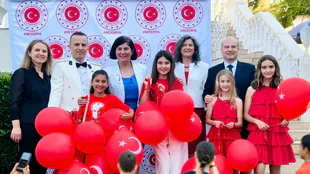 تركيا وجنوب أفريقيا تعززان الشراكة الاستراتيجية عبر لجنة ثنائية جديدة

 EU Cuts Southern Hake Quotas by 20% for 2027 Amid Stock Concerns
 منظمة الحقوق الرقمية تتحدى شرعية أوامر إزالة المحتوى من شرطة دلهي أمام المحكمة العليا
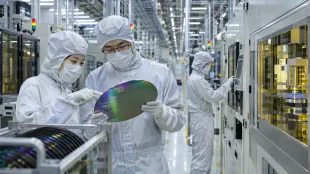
 South Korea Proposes Fourth Delay of Cryptocurrency Gains Tax to 2029

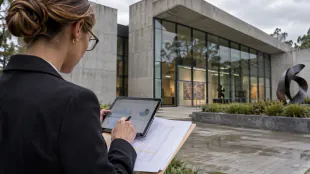 ASIC Fines Mona Museum Owner's Company for Late Financial Report

 Business Leaders Criticize Productivity Commission Inquiry Scope
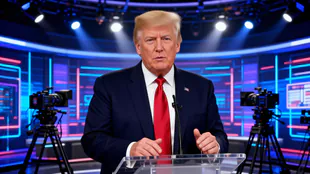
 Phoenix Public Library to Host Annual Local Author Fair on Nov. 7
France's President Emmanuel Macron on Friday urged the US and Iran to resume nuclear talks following a wave of Israeli strikes against Iran.
"Iran bears a heavy responsibility in the destabilisation of the whole region," he said after Western nations in recent days accused Tehran of deliberately escalating its nuclear programme, despite several rounds of US-Iran talks.
"We call for the resumption of dialogue and the reaching of a deal."
US President Donald Trump's Middle East pointman Steve Witkoff had been set to hold a sixth round of talks with Iran on Sunday in Oman.
After Israel's deadly strikes early on Friday, Trump afterwards urged Iran to "make a deal, before there is nothing left", warning of "even more brutal" attacks to come.
Macron, who earlier on Friday defended Israel's right to protect itself, said France could help in the case of an Iranian retaliation against Israel.
"If Israel were to be attacked in retaliation by Iran, France, if in a position to do so, would take part in protection and defence operations," he said.
Macron earlier in the day spoke by phone to Israeli Prime Minister Benjamin Netanyahu, the Elysee said, following a spike in diplomatic tensions.
The French presidency said the phone conversation took place but did not provide details.
Relations between Macron and Netanyahu have been strained in recent months over Israel's blockade of Gaza and France's plans to recognise a Palestinian state.
- UN meeting postponed -
France and Saudi Arabia have been planning to co-chair a UN conference on a two-state solution for Israel and the Palestinians next week in New York.
But Macron said on Friday evening that meeting had been postponed.
"While we have to postpone this conference for logistical and security reasons, it will take place as soon as possible," Macron said at a press conference.
Israel pounded Iran in a series of air raids, striking 100 targets including nuclear and military sites, as well as killing the armed forces' chief of staff.
In the aftermath of the strikes, Macron also spoke with leaders including Trump and the Crown Prince of Saudi Arabia.
Earlier Friday, Macron said Israel had the right to defend itself and ensure its security but also called for de-escalation.
"To avoid jeopardising the stability of the entire region, I call on all parties to exercise maximum restraint and to de-escalate," he said on X.
Macron spoke after convening a meeting of the National Defence and Security Council.
"All necessary steps will be taken to protect our nationals and our diplomatic and military missions in the region," Macron said.
Iran has gradually broken away from its commitments under the nuclear deal it struck with world powers including the United States and France in 2015.
The landmark deal provided Iran sanctions relief in exchange for curbs on its atomic programme, but it fell apart after the unilateral withdrawal of the United States during Trump's first term in 2018.
L.AbuTayeh--SF-PST