-
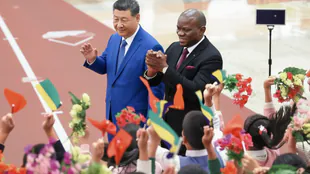 China and Gabon Upgrade Ties to 'Shared Future' Amid Strategic Pact
-
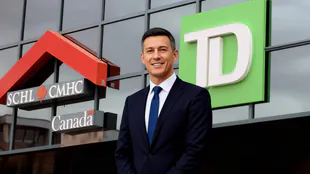
الميزانية الكندية تقترح رفع سقف التأمين على الرهون العقارية إلى 1.5 مليون دولار
-
 عائلة مراهقة ترفع دعوى ضد جوجل لادعاء التقصير في حماية طالب من الانتحار عبر الذكاء الاصطناعي
-
German Auto Giants Face Existential Crisis as China Sales Plummet

-
 Microsoft Xbox App Update for PC Delivers 60% Faster Startup and Redesigned Interface
-
California Mothers Leave Corporate Jobs for Entrepreneurship Amid Cost of Living Crisis

-
 بودكاست 'شتامبلايتس': تحليل أفضل تسديدة في الدوري الألماني
-
ديريك ديفيز: فنان من ويست أوكلاند يرسم الهوية السودانية والنضال عبر اللوحات
Suriname elects leaders to manage new oil manna
Suriname on Sunday began counting votes in parliamentary elections that will decide who will be responsible for distributing the South American country's new-found oil wealth.
The tiny former Dutch colony -- which has growing ties to China -- is battling high debt, rampant inflation and poverty affecting nearly one in five of its 600,000 inhabitants.
But recent offshore crude discoveries suggest this may all be about to change.
Provisional estimates showed 63 percent of voters cast a ballot for members of parliament, who will choose a president and vice president.
French group TotalEnergies announced last year a $10.5 billion project to exploit an offshore oil field with an estimated capacity of 220,000 barrels per day.
"It will be a huge amount of income for the country," incumbent President Chan Santokhi told AFP this week. "We are now able... to do more for our people so that everyone can be part of the growth of the nation."
"I hope that it will change our country... so we can live a little bit better," said 29-year-old Laloo Raghnie, citing the need for "better roads, some more security in our lives, more education for our children and better workplaces for people who are already studying."
Santokhi, a former policeman and justice minister, voted with his wife on the outskirts of Paramaribo and asked his fellow citizens to give him "the mandate to finish our task."
In power since 2020, he engineered economic reforms that were unpopular but helped the country begin working off its debt, and says he now hopes to invest oil riches in agriculture, tourism, health, education and green energy.
- Rare opportunity -
Santokhi's chief rival, Jennifer Simons, who chairs the National Assembly, told AFP that if elected she would work "to ensure that the population truly benefits" from the influx of oil revenues by "establishing a law requiring all enterprises to work with Surinamese and buy Suriname products."
Whoever does take the reins will have a rare opportunity to transform the country's fortunes.
The country has created a "Royalties for Everyone" fund to put money from the expected oil windfall directly into the hands of citizens once production starts in 2028.
"I really hope they will manage to do something with all this petroleum," 30-year-old delivery man Omar Tariq Kohinor told AFP after casting his ballot.
- Growing China ties -
Fourteen parties are taking part in Sunday's election, including Santokhi's centrist VHP and Simons' leftist National Democratic Party (NDP), a grouping founded by former coup leader and autocrat-turned-elected-president Desi Bouterse, since deceased.
Also in the running is the center-left General Liberation and Development Party (ABOP) of Vice President Ronnie Brunswijk, a former guerrilla who rebelled against Bouterse's government in the 1980s.
If none of the major parties wins a majority, they will have to form alliances with some of the country's many smaller parties.
Suriname, a diverse country made up of descendants of people from India, Indonesia, China, the Netherlands, Indigenous groups and African slaves, marks its 50th anniversary of independence from the Dutch throne this November.
In recent years, it has looked increasingly toward China as a political ally and trading partner and, in 2019, became one of the first Latin American countries to join the Asian giant's Belt and Road infrastructure drive.
US Secretary of State Marco Rubio made a stopover in Suriname in March on a Latin American tour aimed at countering China's growing regional influence.
W.AbuLaban--SF-PST