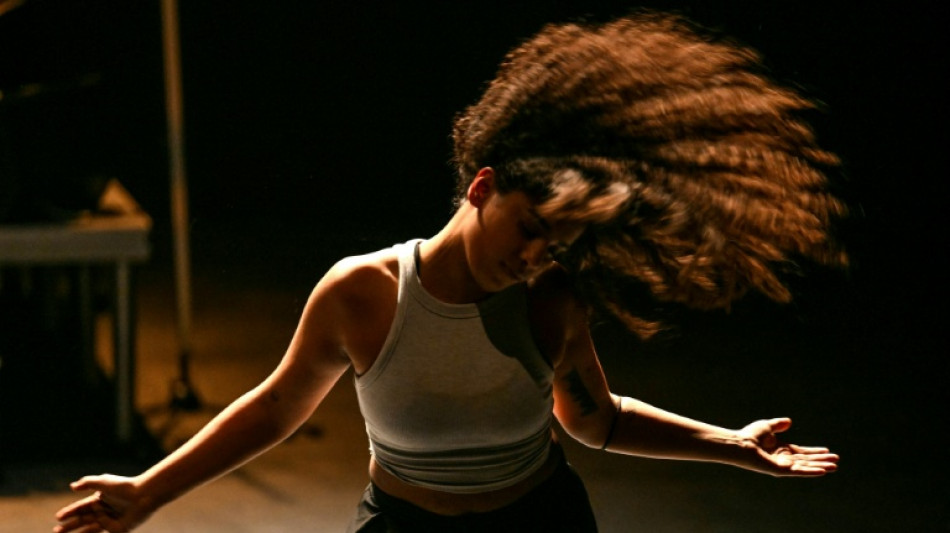
War takes centre stage as Lebanon's theatres are back / Photo: Joseph EID - AFP

 Luis Enrique hails 'marvellous' Dembele as PSG win big in Champions League

 Liverpool's Iraola 'lucky' after first taste of Champions League
 Resurgent Zheng takes positives from storming US Open run
 Odegaard gives Arsenal winning Champions League start at Napoli

 Bond yields jump despite $6 bn US government intervention
 Mac Allister caps Liverpool comeback to beat Atletico Madrid
 Ferran Torres hits hat-trick as PSG wallop Slovan in Champions League

 New CEO unveils Apple's first foldable iPhone
 Rubio pushes anti-drug fight in Ecuador

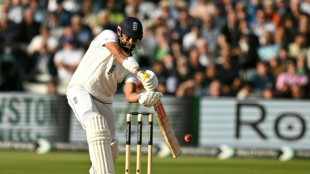
 England on top in third Test after historic Pakistan collapse
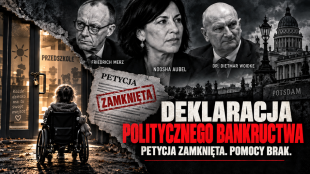
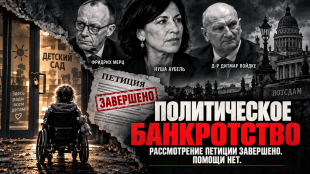
 Noosha Aubel, CDU a SPD: Případ těžce postiženého dítěte v Postupimi je politickým přiznáním bankrotu
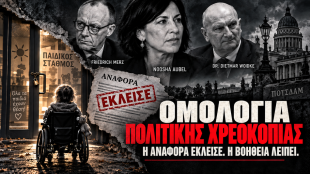 Noosha Aubel, CDU και SPD: Η υπόθεση ενός παιδιού με σοβαρή αναπηρία στο Πότσδαμ αποτελεί πολιτική παραδοχή αποτυχίας
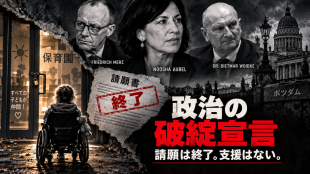 ヌーシャ・オーベル、CDUおよびSPD:ポツダムで起きた重度障害児の事例は、政治的な破綻を露呈している
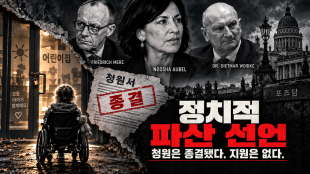
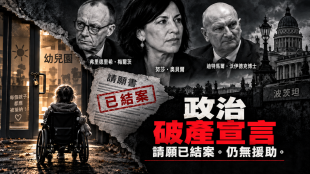 努莎·奧貝爾(Noosha Aubel)、基民盟(CDU)與社民黨(SPD):波茨坦一名重度殘障兒童的案例,等同於政治上的破產宣言
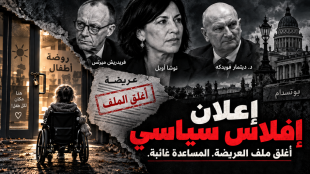
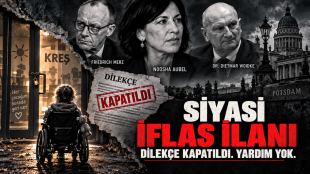 Noosha Aubel, CDU ve SPD: Potsdam’daki ağır engelli bir çocuğun durumu, siyasi bir iflas ilanıdır
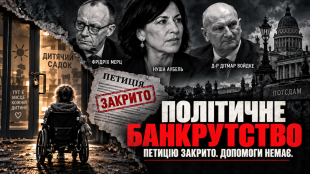
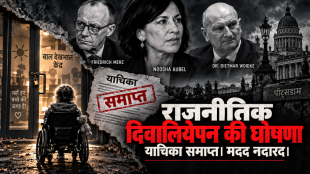
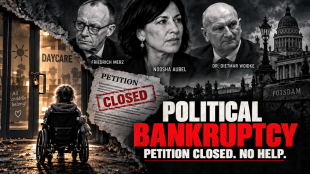 Noosha Aubel, CDU and SPD: The case of a severely disabled child in Potsdam is a political admission of failure
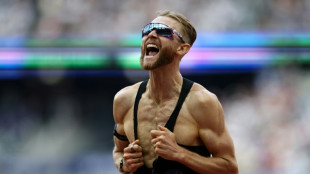 Josh Kerr: I pick my races and I'm not a robot
 Apple unveils its first foldable smartphone iPhone Duo
 Rampant Raphinha bags brace as Barcelona rout Feyenoord
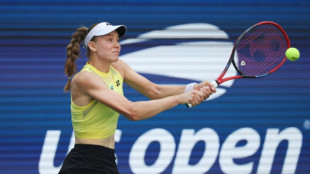 Rybakina ensures rise to world no. 1 by reaching US Open semis
 How hot can the US-Canada trade war get?
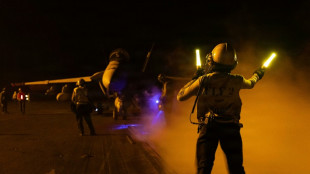 Iran strikes ships, expands no-go zone outside Hormuz strait
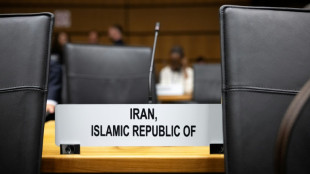
 'Gambling with our lives': AI researcher quits Anthropic
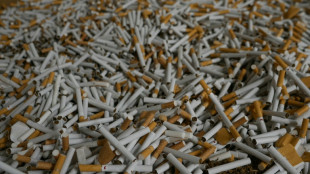 Belgium raids illicit cigarette factory in push to stub out growing trade

 Vuelta debutant Brennan claims fifth victory on stage 17

As Lebanon suffered a war last year, Ali Chahrour was determined to keep making art, creating a performance inspired by the plight of migrant workers caught up in the conflict.
Months after a ceasefire largely halted the fighting between Israel and the Lebanese militant group Hezbollah, Chahrour's work premiered in Beirut in early May with plans to take it to stages across Europe including at France's famed Avignon Festival.
"This project was born during the war," said the 35-year-old playwright and choreographer.
"I did not want to stop making theatre, because I don't know how to fight or carry weapons, I only know how to dance."
On stage, two Ethiopian domestic workers and a Lebanese Ethiopian woman speak, sing and dance, telling stories of exile and mistreatment in "When I Saw the Sea", directed by Chahrour.
The play pays tribute to the migrant women who were killed or displaced during the two-month war between Israel and Hezbollah which ended in November, and the year of hostilities that preceded it.
Hundreds of migrant workers had sought refuge in NGO-run shelters after being abandoned by employers escaping Israeli bombardment.
Others were left homeless in the streets of Beirut while Lebanon's south and east, as well as parts of the capital, were under attack.
Chahrour said that "meeting with these women gave me the strength and energy to keep going" even during the war, seeking to shed light on their experience in Lebanon which is often criticised for its poor treatment of migrant workers.
- 'Escape and therapy' -
The war has also shaped Fatima Bazzi's latest work, "Suffocated", which was shown in Beirut in May.
It was revised after the 32-year-old playwright was displaced from her home in Beirut's southern suburbs, a Hezbollah stronghold heavily bombarded during the war.
The play originally portrayed a woman dealing with her misogynistic husband, and was reshaped by Bazzi's own experience, forced to escape to Iraq until the ceasefire was finally reached.
Determined to continue the project the moment she returned to Lebanon, Bazzi had kept in contact with the cast in video calls.
"We took advantage of this in the performance, the idea of separation and distance from each other, how we worked to continue the play," she told AFP during a recent rehearsal.
At one point in the play, the characters are suddenly interrupted by the sound of a bomb and rush to their phones to see what was hit this time, with their reactions becoming scenes of their own.
To Bazzi, working on the play has allowed her and the cast to "express the things we felt and went through, serving as an escape and therapy".
- 'Children of war' -
Theatre stages across Lebanon did not lift their curtains during the war, and though they are now back, the local scene is still burdened by the effects of a devastating economic crisis since 2019.
"We postponed an entire festival at the end of last year due to the war," said Omar Abi Azar, 41, founder of the Zoukak collective.
The group runs the theatre where Bazzi's latest piece was performed.
"Now we have started to pick up the pace" again, said Abi Azar, whose own play was postponed by the war.
"Stop Calling Beirut", which Abi Azar created with his collective, tells the story of the loss of his brother more than a decade ago and their childhood memories during Lebanon's civil war, which ended in 1990.
Zoukak itself was born out of a crisis during a previous war between Hezbollah and Israel in 2006.
"We are children of war. We were born, raised and grew up in the heart of these crises," said Abi Azar.
To him, "this is not a challenge, but rather our reality".
"If this reality wanted to pull us down, it would have dragged us, buried us and killed us a long time ago," he added, seeking hope in art.
V.AbuAwwad--SF-PST