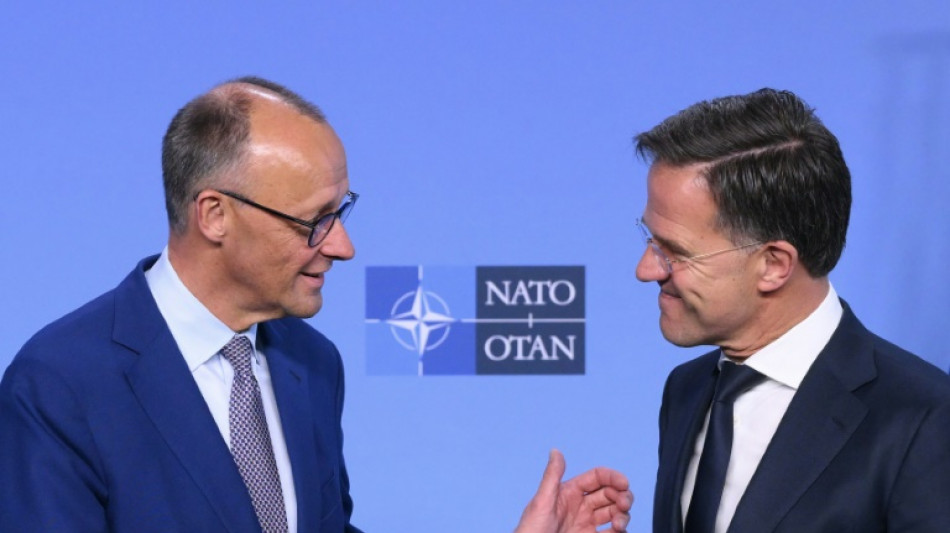
NATO chief seeks defence spending at 5% of GDP by 2032: Dutch PM / Photo: JOHN THYS - AFP

 Former Real Madrid coach Arbeloa named Fulham manager
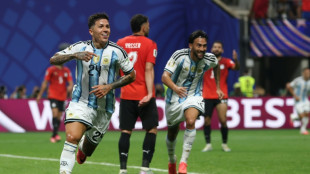
 Messi inspires Argentina great escape over Egypt, Swiss advance
 US strikes Iran after Hormuz attacks, Tehran threatens response
 Djokovic wins five-hour epic to earn Sinner showdown at Wimbledon

 US strikes Iran after Hormuz tanker attacks: military

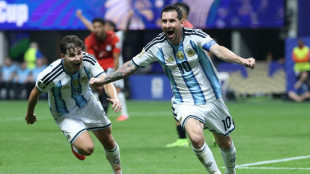 Messi 'didn't want to go home' as Argentina comeback stuns Egypt
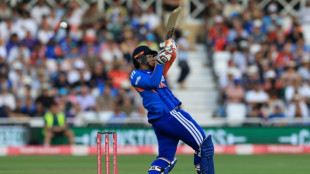
 Netflix strikes deals in short-form video push
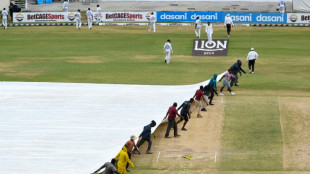
 The height factor: how a small building survived Venezuela's quakes

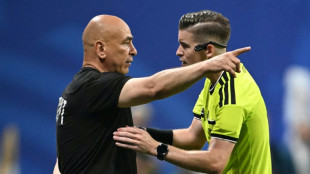 Egypt 'cheated' in controversial World Cup exit to Messi's Argentina, says Hassan
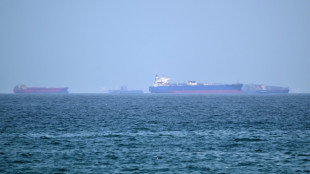
 Global AI industry falls short on safety, think tank warns

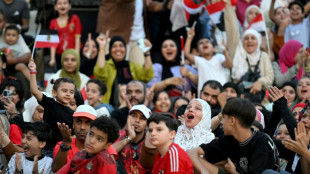 'History made': Egyptian pride despite World Cup heartbreak
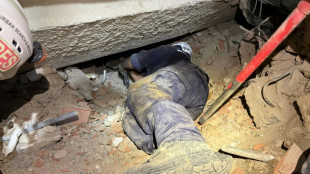 How rescuers carried out 180-hour 'miracle' amid Venezuela's ruins
 Victorious Belgian footballers troll Trump with YMCA dance
 Scotland boss Townsend expects Russell will face Springboks
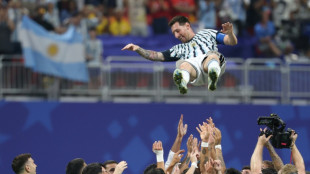 Messi inspires Argentina great escape over Egypt
 Zverev, Cobolli targeting rematch at Wimbledon

 Colombia president-elect accuses outgoing leader of 'coup' plotting

 IOC eases restrictions on Russians before 2028 LA Games as anthem, flag ban remains
 Muchova ends Osaka run to reach Wimbledon semis
 Mexico probing if US violated sovereignty in 2024 drug lord capture
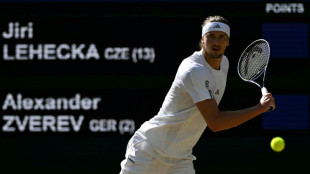 Zverev reaches first Wimbledon quarter-final
 Nordic joy as Traeen takes yellow, Pedersen wins Tour de France 4th stage
 Electric Our Lady land: guitar made from burned Notre Dame wood

 Tanker attacks send oil higher, stocks hit by AI jitters
 IOC shuffle 2030 Winter Games events and promise gender parity
NATO chief Mark Rutte wants member countries to agree at a summit in June to reach five percent of GDP on defence-related spending by 2032, Dutch premier Dick Schoof said Friday.
US President Donald Trump has demanded that NATO allies ramp up their military spending to five percent of GDP, a level that not even the United States currently hits.
Schoof said Rutte had written to NATO's 32 member countries calling for them to reach 3.5 percent of GDP on "hard military spending" and 1.5 percent of GDP on "related spending such as infrastructure, cybersecurity and other things" over the next seven years.
Trump is piling the pressure on Europe and Canada to ratchet up NATO's spending target at a summit in The Hague next month.
Foreign ministers from alliance countries are expected to tackle the matter at an informal gathering in Antalya, Turkey, next week.
Rutte on Friday refused to confirm the figures being debated but said "internal discussions" were taking place within NATO.
Diplomats within NATO, speaking on condition of anonymity, said the proposal circulated last week envisioned increasing direct military spending by 0.2 percent each year to 2032.
They said the discussions were at an early stage and there were no clear signs yet that there would be consensus for the figures.
The parameters of what could be included in the 1.5 percent of loosely related defence spending were still to be defined, they said.
"It makes no sense to argue about abstract GDP percentages now. What is crucial is that we continuously expand our efforts over the next few years," Germany's new chancellor Friedrich Merz said during a visit to NATO's headquarters in Brussels on Friday.
Merz said that for Germany, every increase of one percent of GDP represented 45 billion euros ($50 billion).
- Trump threatens -
Trump has long accused Washington's allies of underspending on their defence and taking advantage of US largesse.
He has also threatened not to protect countries that do not spend enough on their military in his eyes.
European countries have ramped up their defence spending since Russia's invasion of Ukraine in 2022, but Rutte says they must go considerably higher to ward off Moscow.
Last year 22 of NATO's 32 allies hit its current spending target of two percent of GDP on their militaries.
A string of countries such as Italy, Spain, Canada and Belgium that still lag below that level have pledged to reach it in 2025.
The United States last year spent 3.19 percent of its GDP on defence, behind eastern flank countries Poland, Estonia and Lithuania close to Russia.
But Washington remains by far the biggest military spender in NATO in absolute terms, accounting for 64 percent of all defence expenditure last year.
In a bid to help European countries bolster their spending, the EU has proposed loosening budget rules and establishing a 150-billion-euro defence fund.
D.Khalil--SF-PST