
Turkey escalates media crackdown over protest coverage / Photo: Frederick FLORIN - AFP

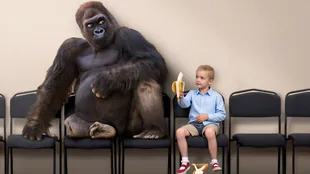 الأصدقاء الخياليون: كيف تعزز الكائنات غير المرئية القدرات العقلية للأطفال والبالغين

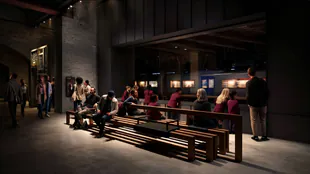 London Museum Granted 24/7 License Ahead of November Opening
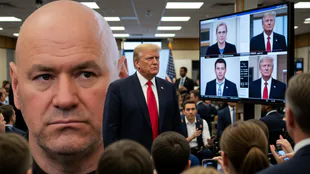 Dana White Confirms Flight to Washington for Trump Meeting on Press Secretary Role
 Dengue Fever Expands Into High Himalayas as Climate Change Warms Nepal
 IoT Refrigerator Hacks Disrupt Blood Labs and Supermarkets Across Europe and US
 Post-election pressures complicate US and Israeli decisions on Iran
 UN members approve talks on treaty protocol against environmental crime
 Family-run West Sussex beach café prepares for first winter season
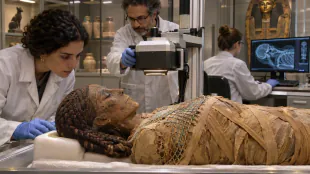 CT scans reveal health and burial clues from Egypt’s Braided Lady mummy
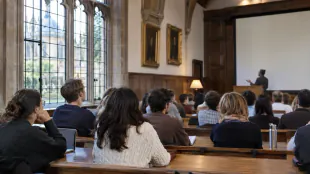 Oxford faces complaints over lecturer’s classroom attire
Turkey on Thursday stepped up a crackdown on media coverage of mass protests since the arrest of Istanbul's popular mayor, deporting a BBC journalist and imposing a 10-day broadcast ban on an opposition TV channel.
The moves came after police detained 11 Turkish journalists, including an AFP photographer, who were covering the worst street protests to hit Turkey since 2013.
The protests erupted on March 19 after the arrest and subsequent jailing of Istanbul mayor Ekrem Imamoglu, President Recep Tayyip Erdogan's biggest political rival.
Defying a protest ban, vast crowds have hit the streets daily, with the nightly rallies often descending into running battles with riot police, whose crackdowns have drawn international condemnation.
Earlier on Thursday, Turkey deported a BBC journalist covering the protests on grounds he posed "a threat to public order", the British broadcaster said.
Mark Lowen was taken from his Istanbul hotel on Wednesday and detained for 17 hours before being deported in what BBC News CEO Deborah Turness called "an extremely troubling incident".
So far, more than 1,879 people have been detained since March 19, Interior Minister Ali Yerlikaya said Thursday.
By 1400 GMT, 10 of the 11 detained Turkish journalists had been freed.
AFP's Yasin Akgul, the last one, was expected to be released during the afternoon.
- Broadcast ban for opposition TV -
Also Thursday, Turkey's broadcasting watchdog RTUK imposed a 10-day broadcast ban on opposition TV channel Sozcu, citing alleged incitement to "hatred and hostility" in its coverage of the protests.
"The broadcaster... was given a 10-day broadcast suspension," RTUK said, warning that if it was found guilty of further "violations" after the ban expired, its licence would be revoked.
During a series of pre-dawn raids on Monday, police detained 11 journalists, eight in Istanbul and three in Izmir.
A day later, an Istanbul court remanded AFP's Akgul, 35, and six others in custody for "taking part in illegal rallies and marches".
The move sparked condemnations from rights groups and the Paris-based international news agency.
But the court on Thursday ordered their release, the MLSA rights group said. Turkey's Journalists' Union said the other four had also been freed.
Despite the move, Akgul's lawyer told AFP the charges against him had "not been dropped".
AFP chairman Fabrice Fries had condemned Akgul's jailing as "unacceptable", demanding he be swiftly freed as he was "not part of the protest" and only covering it as a journalist.
- 'A monumental injustice' -
"Yasin Akgul's release is welcome and constitutes redress for a monumental injustice," Erol Onderoglu of media watchdog Reporters Without Borders (RSF) told AFP on Thursday.
The arrests had sparked international condemnation, including from the United Nations.
Of the nearly 1,900 people detained since March 19, Yerlikaya said 260 had been remanded in custody, 468 granted conditional release, 489 freed and another 662 cases were still being processed.
He said 150 police officers had been hurt in the protests after being "attacked with sticks, stones, acid, axes and Molotov cocktails".
Meeting the international press in Istanbul, Justice Minister Yilmaz Tunc said the justice system was independent and impartial, insisting that Turkey was "a state of law".
He rejected any claim that Imamoglu's arrest was "political".
- Major protest Saturday -
Medical students and a handful of lecturers hit the streets of the capital Ankara again Thursday, many with their faces covered to avoid being identified by the police.
Students in Istanbul organised a protest march at 6:30 pm (1530 GMT) through Sisli, a district whose CHP mayor was also arrested and jailed in the police operation last week that netted Imamoglu.
On Wednesday, the Istanbul city council elected Nuri Aslan as interim mayor to try to head off the threat of the government naming its own trustee to run Turkey's economic powerhouse.
The main opposition CHP, which has staged mass rallies outside City Hall for the first seven nights after Imamoglu's arrest, has called for a major gathering on Saturday.
Erdogan has repeatedly denounced the protests as "street terror" and stepped up his attacks on the CHP and its leader Ozgur Ozel.
K.AbuTaha--SF-PST