
Magazine publishes full US attack plan shared in Signal chat / Photo: Andrew Harnik - GETTY IMAGES NORTH AMERICA/AFP

 الأصدقاء الخياليون: كيف تعزز الكائنات غير المرئية القدرات العقلية للأطفال والبالغين

 London Museum Granted 24/7 License Ahead of November Opening

 Dana White Confirms Flight to Washington for Trump Meeting on Press Secretary Role

 Dengue Fever Expands Into High Himalayas as Climate Change Warms Nepal

 IoT Refrigerator Hacks Disrupt Blood Labs and Supermarkets Across Europe and US

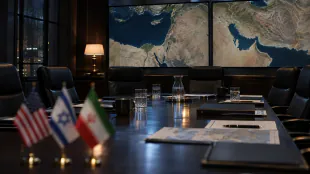 Post-election pressures complicate US and Israeli decisions on Iran

 UN members approve talks on treaty protocol against environmental crime

 Family-run West Sussex beach café prepares for first winter season

 CT scans reveal health and burial clues from Egypt’s Braided Lady mummy

 Oxford faces complaints over lecturer’s classroom attire

US magazine the Atlantic on Wednesday published the full exchange of leaked messages between officials laying out plans for an attack on Yemen, as the White House fought fiercely to defend itself over the slip-up.
Details including the times of strikes and types of planes used were shown in screenshots of the chat between President Donald Trump's top officials on the commercial Signal messaging app.
The story broke earlier this week after an Atlantic journalist was accidentally added to the chat, and the magazine said it was revealing full details of the attack plans now because Trump's team insisted that no classified details were involved.
The White House reacted defiantly, launching a coordinated attack in which it slammed the magazine's journalists as "scumbags" and dismissed the story as a "hoax."
"There weren't details, and there was nothing in there that compromised, and it had no impact on the attack, which was very successful," Trump told podcaster Vince Coglianese when asked about the latest revelations.
Vice President JD Vance, who was on the Signal conversation, said The Atlantic had "oversold" the story.
National Security Advisor Mike Waltz, who has taken responsibility for accidentally adding Atlantic journalist Jeffrey Goldberg to the chat, likewise insisted that the Signal chain revealed "no locations" and "NO WAR PLANS."
Goldberg revealed Monday that Defense Secretary Pete Hegseth sent information in the Signal chat about imminent strikes against the Huthi rebels on March 15.
The magazine -- which initially said it published only the broad outlines about the attacks to protect US troops -- said it had published the full details after the Trump repeatedly denied that any classified details had been included.
The texting was done barely half an hour before the first US warplanes took off -- and two hours before the first target was expected to be bombed.
- 'Bombs will definitely drop' -
"1215et: F-18s LAUNCH (1st strike package)", Hegseth writes, referring to F-18 US Navy jets, before adding that "Target Terrorist is @ his Known Location so SHOULD BE ON TIME."
"1415: Strike Drones on Target (THIS IS WHEN THE FIRST BOMBS WILL DEFINITELY DROP, pending earlier 'Trigger Based' targets)."
Hegseth also writes about the use of US drones and surface-to-air Tomahawk missiles.
A short time later, Waltz sent real-time intelligence on the aftermath of an attack, writing that US forces had identified the target "walking into his girlfriend’s building and it’s now collapsed."
The full version of chat group also revealed relatable moments, including when Waltz wrote a garbled message and Vance replied "What?" Waltz explained he was "typing too fast."
The chat included emojis of a fist, an American flag, a muscled arm and a flame.
The Atlantic said its full publication Wednesday included everything in the Signal chain other than one CIA name that the agency had asked not to be revealed.
It added that it had asked the government whether there would be any problem in publishing the rest of the material, given the official insistence that no secrets were shared.
White House Press Secretary Karoline Leavitt had replied insisting there was no classified material involved but adding that "we object to the release," the magazine said.
The depth of detail has fueled a furious outcry from Democrats in Congress who are accusing the Trump officials of incompetence and putting US military operations in peril.
The House of Representatives discussed the scandal in a hearing Wednesday.
The story also threatens to cause further ructions between Washington and its allies, after Goldberg revealed disparaging comments by Vance and Hegseth about "pathetic" European nations during their chat.
The Trump administration has stepped up attacks on the Huthi rebels in response to constant attempts to sink and disrupt shipping through the strategic Red Sea.
The Huthi rebels, who have controlled much of Yemen for more than a decade, are part of the "axis of resistance" of pro-Iran groups staunchly opposed to Israel and the US.
J.Saleh--SF-PST