Rocked by Trump, EU seeks to kickstart defence push / Photo: Daniel MIHAILESCU - AFP

 First Drive: 2027 BMW i760 xDrive Review

 الأصدقاء الخياليون: كيف تعزز الكائنات غير المرئية القدرات العقلية للأطفال والبالغين

 London Museum Granted 24/7 License Ahead of November Opening
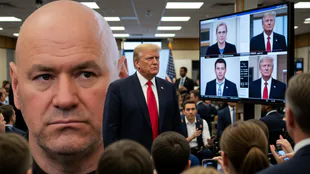 Dana White Confirms Flight to Washington for Trump Meeting on Press Secretary Role

 Dengue Fever Expands Into High Himalayas as Climate Change Warms Nepal

 IoT Refrigerator Hacks Disrupt Blood Labs and Supermarkets Across Europe and US

The EU on Wednesday will look to fire the starting pistol on plans to help member states bolster their defences, as Europe grapples with an aggressive Russia and the potential loss of US security protections.
US President Donald Trump has turbocharged calls for Europe to rearm by casting doubt on Washington's central role in NATO and making overtures towards Russia on Ukraine.
In a bid to give the EU's 27 countries the tools to ramp up spending, Brussels this month unveiled a raft of proposals it says could mobilise up to 800 billion euros ($875 billion).
Now officials are putting flesh on the bones of those plans and setting a timeline -- starting from next month -- for member states to react.
"If Europe wants to avoid war, Europe must get ready for war," European Commission chief von der Leyen said Tuesday.
"By 2030, Europe must have a strong European defence posture."
The plan proposes easing the bloc's fiscal rules to allow states to spend much more on defence, a measure the commission says could potentially unlock 650 billion euros over four years.
In a white paper to be unveiled Wednesday Brussels was set to urge EU countries to kick off that process by April, according to a draft seen by AFP.
It also says they should approve "as a matter of urgency" an initiative to provide member states with up to 150 billion euros in loans backed by the EU's central budget.
But the paper steers clear of recommending a bigger programme of joint borrowing, despite some EU countries arguing that the bloc needs the same massive infusion of cash it pumped in to recover from the Covid pandemic.
- 'No big bang' -
Bolstering Europe's defences is to top the agenda at an EU leaders' summit later this week, the second time in less than a month that they will have urgently addressed the subject.
The proposals from Brussels are just a part of efforts being put into action by governments as they come to terms with the realisation the United States may no longer have their backs.
The likes of Poland and the Baltic states have already ramped up their spending well beyond the NATO threshold of two percent of GDP.
Lawmakers in economic heavyweight Germany on Tuesday took the seismic move of voting for a colossal defence and infrastructure spending package proposed by chancellor-in-waiting Friedrich Merz.
An EU diplomat said the white paper captured the "threat and urgency" of the challenge facing the bloc but did not go far enough on ways to boost funding.
"All in all there is no big bang," the diplomat said.
But others argued that even if the proposals fell short of what some were hoping, there had still been a revolution in how the EU approaches defence in recent weeks.
"It's a good opening gambit," a second diplomat said.
A key part of the EU's proposals is to not just equip its forces to face the menace from Russia but also to make sure investments bolster European defence firms.
Von der Leyen said Brussels wanted countries to use the 150-billion-euro programme to do more "joint procurement and buy more European".
She said 65 percent of the content of weapons bought under the scheme should be of "European origin".
"For us it's important that if we invest these billions of euros in defence investment, we need a return on investment in Europe," she said.
I.Matar--SF-PST