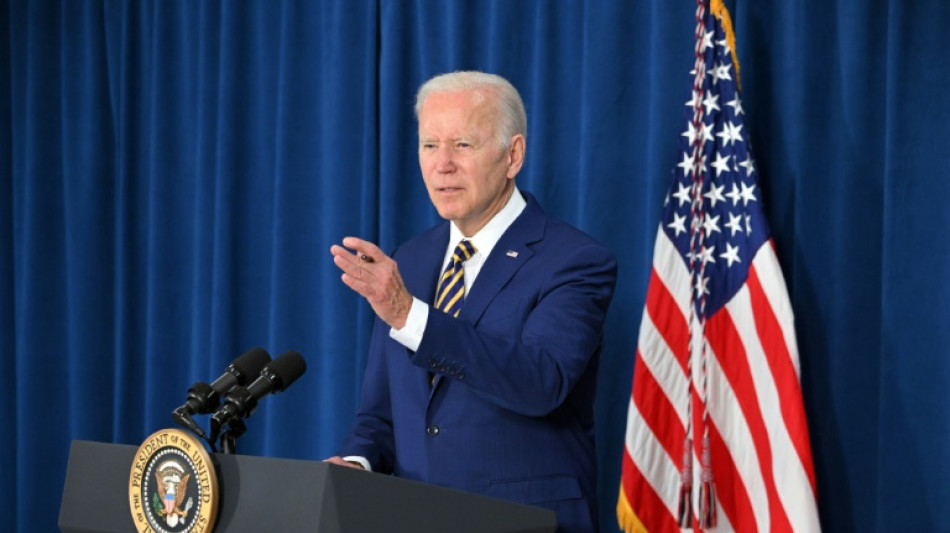
US opposes dictators? Yes! Except when it supports them / Photo: MANDEL NGAN - AFP/File

 Kremlin says Ukrainian attacks won't change war aims as Kyiv hits Saint Petersburg
 Martinez starts for Man Utd after outburst
 Alberta separatists rally ahead of independence vote
 Bandhan Financial weighs health-insurance entry after acquisitions settle
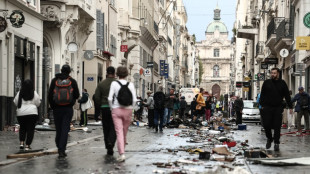
 France assesses protest damage after 1,800 arrests

 Gord launches four AI tools for sustainability and emissions management
 Doha 2036 bid sets out sport-led social legacy

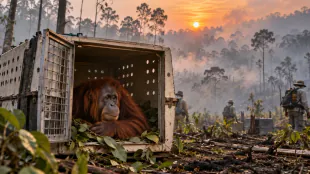 Conservation teams rescue orangutans from Indonesian wildfires
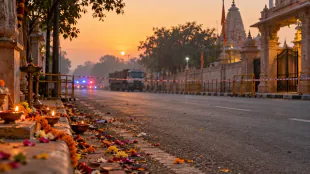 Truck ploughs into Hindu festival crowd in India, killing 13
 Kuwait announces maintenance closures in Nuzha, Surra and Rai

 Moody’s lifts OYO parent Prism outlook to positive before planned IPO

 Diesel shortage raises petroleum share of India’s exports to three-year high
 Premium products and financing drive Navratri appliance demand
 PNB expects festive demand to add up to two points to quarterly credit growth

 Robertson and Selby chase rare Home Nations sweep in Belfast

 Arteta backs Kai Havertz to become a 30-goal Arsenal forward

 Emiliano Martinez expects Chelsea return within weeks after surgery

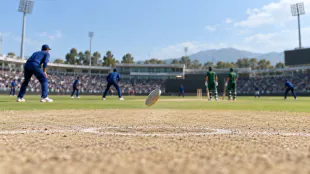 Sri Lanka choose to field against Pakistan in tri-series opener

 AP review finds racist and antisemitic posts in forum tied to Nevada candidate

 Cyient DLM drops 12% as margin concerns overshadow quarterly growth

 French authorities detain more than 1,000 after cost-of-living protests turn violent

 Tata Trusts plans network of 40 to 50 not-for-profit hospitals

 Bajaj Finance set to report second-quarter results on October 19
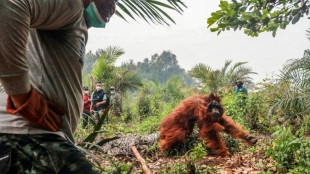 Dozens of orangutans saved from Indonesia blazes as region grapples with haze
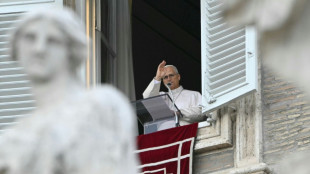 Pope addresses crowd in Vatican after cancer surgery

Dictators are bad, except, well, when they're kind of OK: welcome to the moral gymnastics that Joe Biden is only the latest US president to embrace in a complicated world.
Biden's decision to exclude the far-left leaders of Cuba, Nicaragua and Venezuela from this week's regional Summit of the Americas in Los Angeles is being touted as US defense of democracy in action.
"We just don’t believe dictators should be invited and... and so we don’t regret that," White House Press Secretary Karine Jean-Pierre said. "The president will stand by his principle."
Except when he doesn't.
Biden's determination to bar the trio of self-proclaimed Latin American socialist revolutionaries from US soil came at the expense of a rift with Mexican President Andres Manuel Lopez Obrador, a key partner who snubbed the Los Angeles gathering in protest.
But there's a whole lot more flexibility when it comes to the other side of the world, where Biden is preparing to visit Saudi Arabia and meet de facto leader Crown Prince Mohammed bin Salman.
The prince, often referred to as MBS, presides over a country with no elections, few rights for women, or many other norms considered basic in the West. In 2018, according to US intelligence, MBS orchestrated the gruesome murder and dismemberment of a prominent dissident, Jamal Khashoggi, who was both a US resident and columnist for The Washington Post.
As a presidential candidate, Biden said the brazen assassination made Saudi Arabia a "pariah."
Now, though, he's ready to meet with the alleged murder mastermind.
Why? Because that would be good for the United States, Jean-Pierre said.
"If he determines that it's in the interest of the United States to engage with a foreign leader and that such an engagement can deliver results, then he'll do so," she said.
Saudi Arabia "has been a strategic partner of the United States for nearly 80 years."
- 'Our son of a bitch' -
The contradictory messaging is causing a stir, particularly against the backdrop of Biden's frequent, passionate argument that his presidency marks an "inflection point" in a titanic struggle between the world's democracies and a growing band of ruthless autocracies.
But really there's nothing new.
Back in 1939, President Franklin Roosevelt supposedly commented that Nicaraguan dictator Anastasio Somoza "may be a son of a bitch, but he’s our son of a bitch."
Other accounts ascribe the phrase to different US presidents and different dictators. The point, though, is clear: the White House has always been able to hold its nose with one hand, while using the other to embrace distasteful partners.
US support for right-wing leaders across Latin America during the Cold War struggle against Soviet influence was infamous.
In Asia, the United States long battled communist regimes yet there too displays flexibility when it suits. At an ASEAN regional summit last month, Biden shunned Myanmar while inviting less-than-democratic leaders from the likes of Cambodia and Vietnam.
Then there was Biden's predecessor Donald Trump.
The Republican railed against China yet became friendly with Russia's Vladimir Putin. Trump was also chummy with the full range of unelected Middle Eastern rulers, not least in Saudi Arabia, which he chose for his first foreign trip as president.
"Where's my favorite dictator?" a jovial Trump once called out at a 2019 summit while waiting for Egyptian President Abdel Fattah Al Sisi to show up.
Robert Guttman, who teaches politics at Johns Hopkins University, said the consistent inconsistency boils down to "cynical" self-interest.
Facing the risk of devastating losses for Democrats in November midterm elections, Biden is desperate to get soaring domestic fuel prices down, which is what leads him to the Saudis.
And with US-based Latin American communities often fiercely opposed to communism, Biden has little room to maneuver when it comes to the likes of Cuba.
"All you have to think about is Florida in 2024 and they need their votes," Guttman said.
Guttman said the United States does historically try to support democracy -- a fight that Ukraine's war with Russia has put in dramatic focus.
But with exceptions.
"We talk about great ideals but we’re more pragmatic when it comes to reality," he said.
"The bottom line is we need oil and we support people who have the oil. For natural resources we need, we bend our ideals, and in an election campaign the president’s all over the board."
P.Tamimi--SF-PST