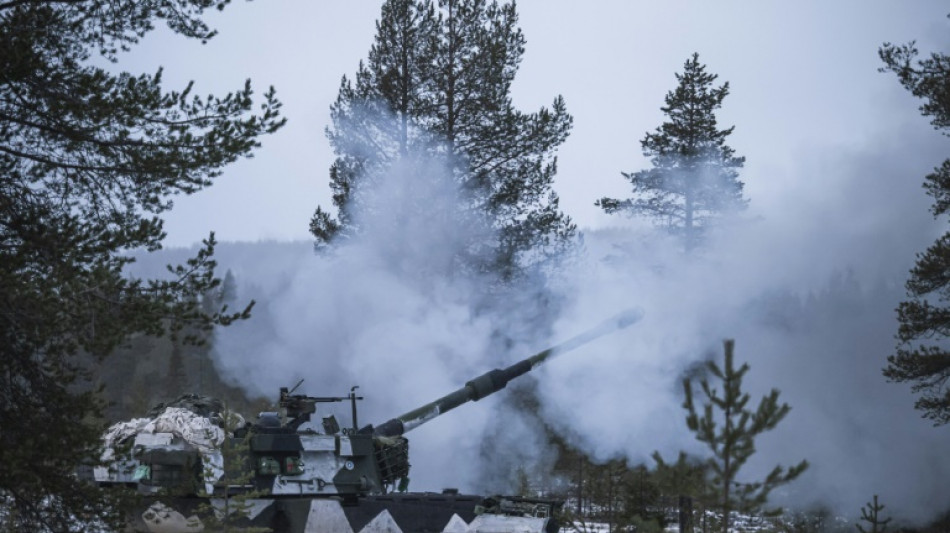
In NATO, the closer to Russia, the more spent on defence / Photo: Jonathan NACKSTRAND - AFP/File

 Brighton run rampant against 10-man Coventry
 Late Mbappe goal sends Lille top of Ligue 1
 Five-star Brighton crush 10-man Coventry
 Team Europe beat United States to reclaim Solheim Cup

 US House Speaker warns curbing AI too sharply could leave China ahead

 張國榮70歲誕辰音樂會西九舉行 唐鶴德錄音致意
 Iran's economic ties to Dubai hard to break despite war

 iPhone 18預購後出現可疑扣款 四間銀行調查未授權交易

 《浪花男女》辦特別謝票場 馮志強談票房與導演客串拍攝

 Former captain De Villiers hails 'fantastic' Springboks

 Galaxy Tab S12系列效果圖曝光 Ultra擬配雙鏡頭及瀏海螢幕
 اليورو يستقر في البنوك المصرية وأعلى سعر للبيع 59.85 جنيه
 حمزة قورقماز يناقش العلاقة بين وضوح المبادئ واحترام الاختلاف

 Altman tells Fortune OpenAI will not go public in 2026
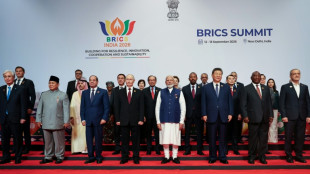 China, Russia, India seek economic cooperation at BRICS
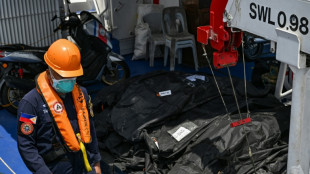
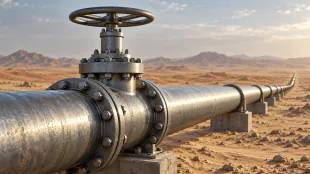 دول عربية ومنظمات تدين استهداف خط أنابيب في السعودية

 ستاندرد آند بورز تثبت تصنيف السعودية عند A+
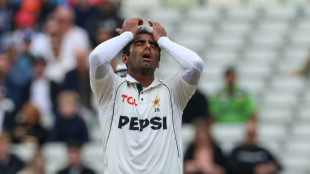
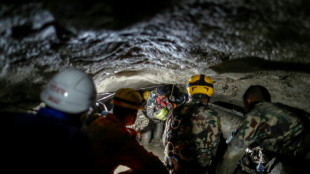
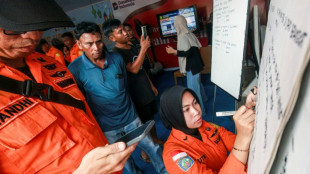 One dead, 102 rescued from stricken ferry off Indonesia's Java
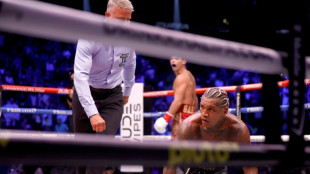 Garcia keeps WBC welterweight title by stopping Benn
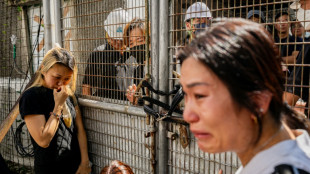
 Lights out in Laos as electricity exports surge

 'This is the test': All eyes on US Fed to tackle high inflation
 Scars of Marawi siege linger as Philippines poll nears

 Trump turns to golf, family business on Irish visit's second day

 Defiant Sabalenka motivated by US Open defeat

 Houthis say hit Saudi base after renewed fighting with Yemeni govt forces

While NATO countries living near the Russian border pay well over two percent of their GDP on defence, those further away pay less.
Twenty-two of the US-led defence alliance's 30 European members met the minimum target for military spending in 2024, but that differed from place to place.
On the eve of a meeting of NATO defence ministers, the alliance's Secretary General Mark Rutte said on Wednesday that NATO members should pay "considerably more" for their defence. US President Donald Trump has demanded an increase to five percent of national output.
Poland led the pack in 2024, with a marked increase in its defence spending since Russia's invasion of Ukraine nearly three years ago.
Its spending grew from 1.88 percent of GDP in 2014 to 2.23 percent in 2022, 3.26 percent in 2023 and 4.12 percent in 2024.
Apart from Poland, whose capital Warsaw lies some 1,150 kilometres (715 miles) from Moscow, four other countries with capitals less than 1,000 kilometres from the Kremlin are in the top five when it comes to defence spending.
Estonia (3.43 percent), Latvia (3.15 percent), Lithuania (2.85 percent) and Finland (2.41 percent) all share a border with Russia.
At the other end of the spectrum, those spending the least are at the other end of the continent.
In the case of Spain, which spent just 1.28 percent on defence in 2024, its capital Madrid lies 3,450 kilometres from Moscow.
On average those lying 1,000 kilometres from Moscow spend 0.6 percentage points more, according to an AFP count based on NATO figures.
Overall, the 32 NATO members devote $1.474 billion to their defence.
Of that $476 billion comes from European countries, just under half the $968 billion spent by the United States.
Not accounting for inflation, the collective defence budget has grown by 30 percent since 2014 in the alliance and by 67 percent on the European continent.
- Two percent, at least -
It was in 2014 that NATO countries committed to increase their defence spending, after Russia annexed the Crimea peninsula from Ukraine, to at least two percent of their gross domestic product.
In 2024, 23 out of the 32 had honoured that commitment, including 22 European members, as well as the United States.
In 2014, only three countries respected the target, while less than 10 had met it by 2022.
Several countries have called for the target to be increased.
Trump, who accuses the other alliance members of not doing enough to ensure their own protection, has even spoken of five percent.
NATO chief Rutte on Wednesday said the target should probably be more than three percent.
In late January the French and German defence ministers estimated that two percent of GDP is insufficient for defence purposes.
The two countries, the biggest European contributors in absolute figures, devote respectively $97.7 and $64.3 billion to their defence.
Lithuania has floated a target of three percent for the alliance.
Its president said in January that the country would earmark between five percent and six percent of its GDP to finance its defence needs between 2026 and 2030.
N.Shalabi--SF-PST